What is Pronation & Do You Need Stability Shoes?
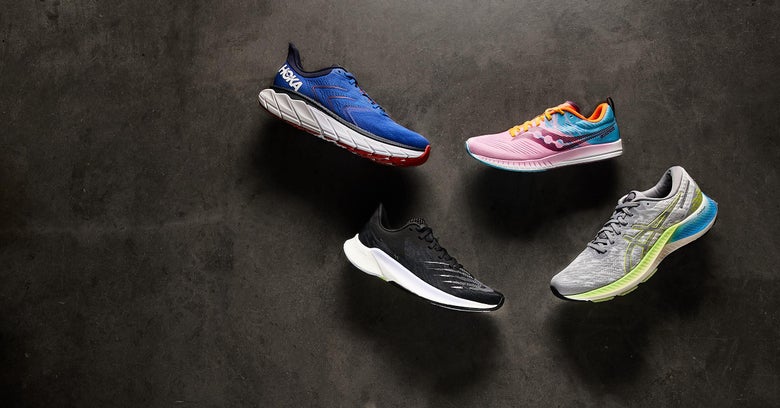
Have you ever heard the term stability shoe and thought, “What exactly does that mean?” Maybe you've been told by your doctor or a running store expert that you overpronate, but you're not sure what that means or whether you actually need stability shoes. Understanding overpronation and how it affects your stride can help you determine whether stability shoes are right for you.
For years, stability running shoes were seen as bulky, medical-looking footwear prescribed mainly for people with foot problems. But the category has evolved. Today’s models are sleek, stylish, and versatile, offering a balance of support and comfort for a wide range of runners and walkers. Whether you're looking for additional support or simply enjoy a more guided feel underfoot, stability shoes are worth a closer look.
In this guide, we’ll explain what pronation is, why overpronation can sometimes be problematic, what stability shoes do, how they compare to neutral shoes, and how to decide if they’re right for you.
What Is Pronation?
Pronation is the natural inward rolling motion of your foot as it makes contact with the ground. When you walk or run, your arch lowers slightly to help absorb impact and distribute pressure as you move. This motion is a normal and important part of your stride.
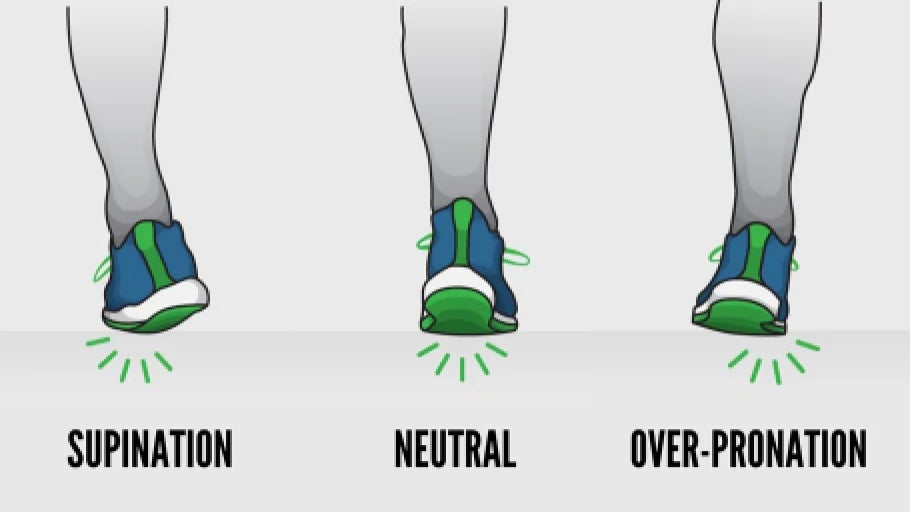
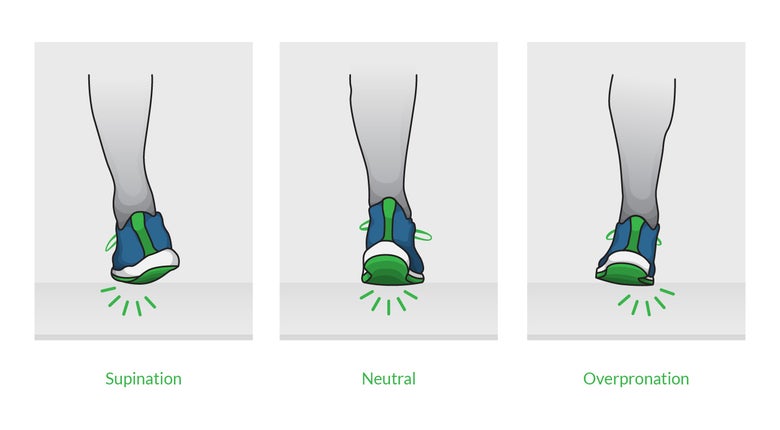
Not all feet move the same way. Here are three common pronation patterns:
Neutral Pronation: The foot rolls inward naturally, helping absorb impact and distribute pressure during each step.
Overpronation: The foot rolls inward more than usual, often accompanied by greater movement or lowering of the arch.
Supination (Underpronation): The foot rolls inward less than usual, placing more pressure along the outer edge of the foot.
These movement patterns vary from runner to runner and don't automatically indicate a problem. While some runners may experience discomfort related to their foot mechanics, others run comfortably without needing additional support.
When Can Overpronation Be a Problem?
Overpronation isn't always a cause for concern. Many runners naturally roll their feet inward more than others without experiencing pain or discomfort. However, for some runners, excessive inward movement may contribute to discomfort, particularly when combined with other factors like training habits, muscle strength, or previous injuries.
If you regularly experience foot, ankle, or lower-leg discomfort while running, it's worth taking a closer look at your footwear and running mechanics. A healthcare professional or physical therapist can help determine what's contributing to your symptoms and whether additional support may be beneficial.
For runners who prefer a more supportive feel underfoot, stability running shoes are one option worth exploring.
Do You Need Stability Running Shoes?
There's no one-size-fits-all answer. Some runners with flat feet or overpronation feel more comfortable in stability shoes, while others prefer a neutral feel. It often comes down to personal comfort, individual needs, and how your body responds.
Stability running shoes may be worth considering if:
You overpronate or have flat feet and find additional support more comfortable.
You feel more comfortable and secure in shoes with a stable, guided ride.
A healthcare professional or physical therapist has recommended supportive footwear.
You've tried neutral shoes but prefer the feel of stability shoes.
You use orthotics or insoles and need footwear that accommodates them comfortably.
If you're experiencing ongoing foot, ankle, knee, or lower-leg pain, consider speaking with a healthcare professional to help identify the cause. Stability shoes may be helpful for some runners, but they're not a guaranteed solution for discomfort or injuries.
How to check your pronation level:
Curious about how your feet move when you run? While there are a few simple ways to examine your feet and running shoes at home, these methods can't definitively tell you whether you overpronate.
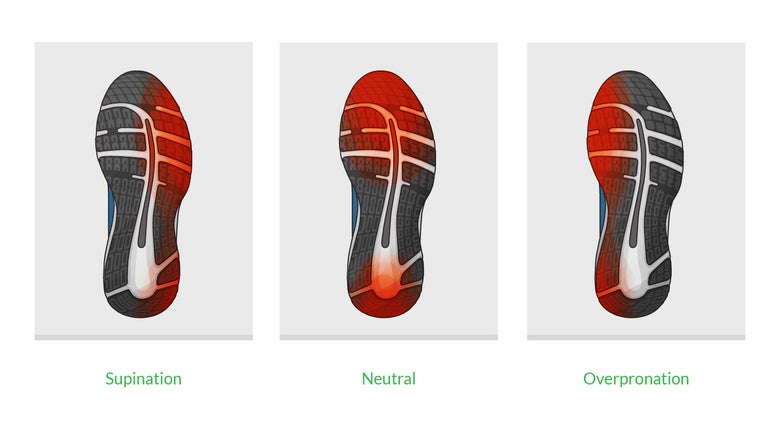
Shoe Wear Test: Take a look at the soles of your old running shoes. Uneven wear patterns may offer clues about how your shoes contact the ground, but they aren't a reliable way to determine your pronation pattern.
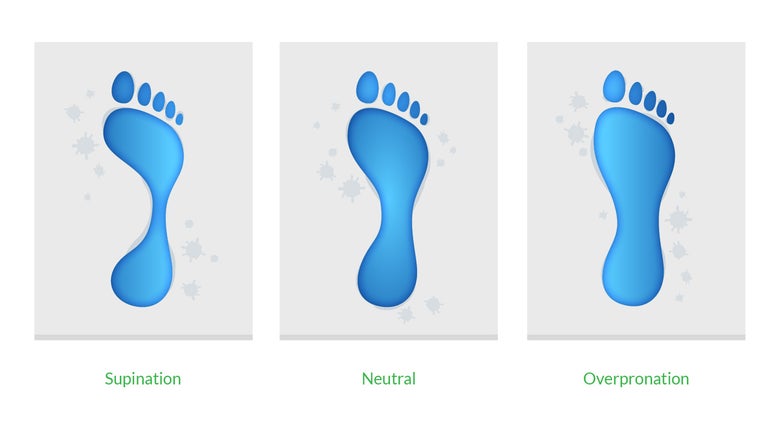
Wet Foot Test: Wet the bottom of your foot and step onto a piece of cardboard or paper to leave a footprint. This can give you an idea of your arch shape, but it doesn't show how your foot moves while running.
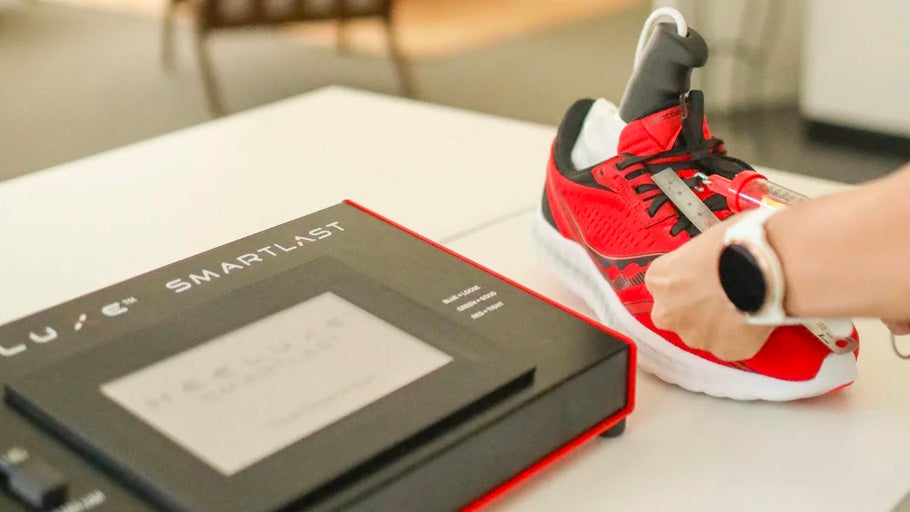
For a closer look at your running mechanics, consider a gait analysis at a specialty running store or with a qualified professional. Watching your feet in motion can help you better understand your stride and explore footwear options that feel comfortable and supportive.
Ways to Support Your Feet When You Overpronate
Not everyone who overpronates needs to change their running mechanics. However, if you're experiencing discomfort or looking for additional support, there are a few options worth considering beyond stability shoes.
Strengthening exercises: Exercises like calf raises, clamshells, lateral band walks, and short-foot drills can help strengthen the muscles in your feet, ankles, and hips. Building strength can support overall movement and running performance, even if it doesn't change your natural pronation pattern.
Supportive insoles: Insoles can provide additional cushioning, arch support, or comfort depending on your needs. Some runners find them helpful, but the right fit matters. If you're using insoles with stability shoes, make sure the combination feels comfortable and doesn't create unwanted pressure.
Recovery footwear: Comfortable sandals or shoes can give your feet a different feel after a run. Look for cushioning, support, and a fit that works for you rather than assuming one type of recovery footwear is best for everyone.
FAQs
Can men and women wear the same stability shoes?
Yes! While many stability shoes come in men's and women's versions, the main differences often involve sizing, width, and fit. Some models may have design differences, but comfort matters more than the label. If a shoe fits your foot well and provides the support you're looking for, don't be afraid to explore both options.
Can I use stability shoes for walking?
Absolutely! Stability running shoes can also be a comfortable option for walking, especially if you prefer additional support or spend long hours on your feet. However, not everyone needs stability features. The best walking shoe is one that fits comfortably and provides the cushioning and support that work for you.
Should I strengthen my feet even if I buy stability shoes?
Yes! Strengthening your feet, ankles, and calves can help improve strength and support overall movement. Stability shoes provide support through their design, while strengthening exercises help build your body's own strength and control. Both can be part of a well-rounded approach to staying comfortable and active.
The Bottom Line

Not everyone needs a stability shoe. But if you overpronate, have flat feet, or prefer a little extra support, stability shoes may be worth exploring. Modern designs offer a variety of cushioning and support options, so you don't have to sacrifice comfort to find a shoe that works for you.
The best way to know? Try them out. Visit a specialty running store, consider a gait analysis, and see how your feet feel in different models. When it comes to running shoes, comfort and personal preference are always important factors in finding the right fit.