What Are the Types of Running Shoes?

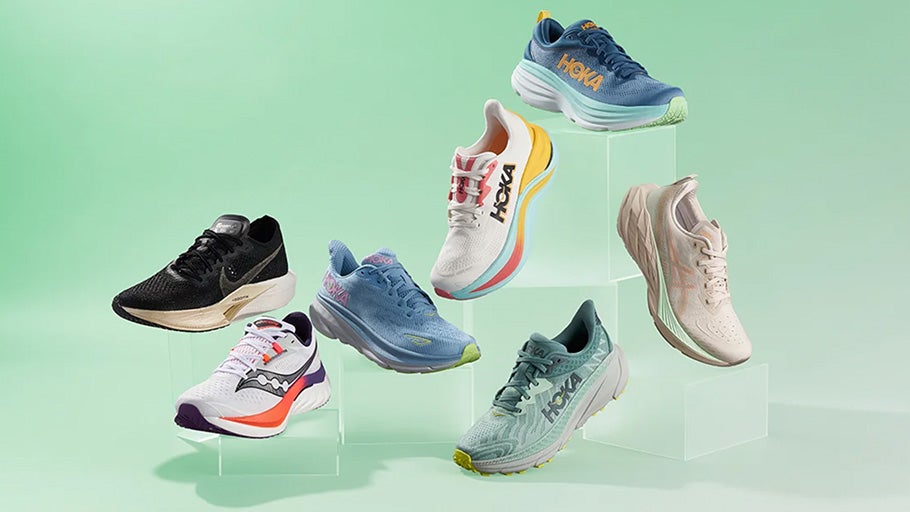
We live in the golden age of highly specialized running shoes, giving every runner more choices than ever before. Simply put, most shoes fall into one of four categories: daily trainers, performance trainers, super shoes, or trail shoes. Whatever your style, goals, gait, or preferences, modern brands find themselves in an arms (legs?) race to give today's runners exactly what they want, exactly how they want it. This guide breaks down each category so you can confidently choose the right shoe, whether you're a beginner or an experienced competitor.
But how do you choose the best running shoe for you? With so many types of running shoes available, it's easy to feel overwhelmed. Do you need a daily trainer, performance trainer, super shoe, or a trail shoe? What does a daily trainer even mean? What exactly is a stability running shoe, and can somebody PLEASE explain what a “stack” is?
Here at Running Warehouse, we have more than 20 years of experience working with the running community. From shoes to apparel to gear, we supply it all, and we have a wealth of knowledge about the nuances that separate different brands, makes, models, and everything in between.
So, let's dig into all of this together, shall we? Starting with our broadest staple, the Daily Trainers...
Road Shoes

Daily Trainers
In general, daily trainers are going to be a runner’s trusty, good for anything, go-to selections. They’re the most versatile shoes in your closet that can handle a little bit of anything, and if you’re hoping to buy one running shoe, instead of building a full shoe rotation, then a Daily Trainer is going to be your best friend. They’re (typically) the best-selling shoes in brands’ catalogues for a reason.
Standard Daily Trainers:
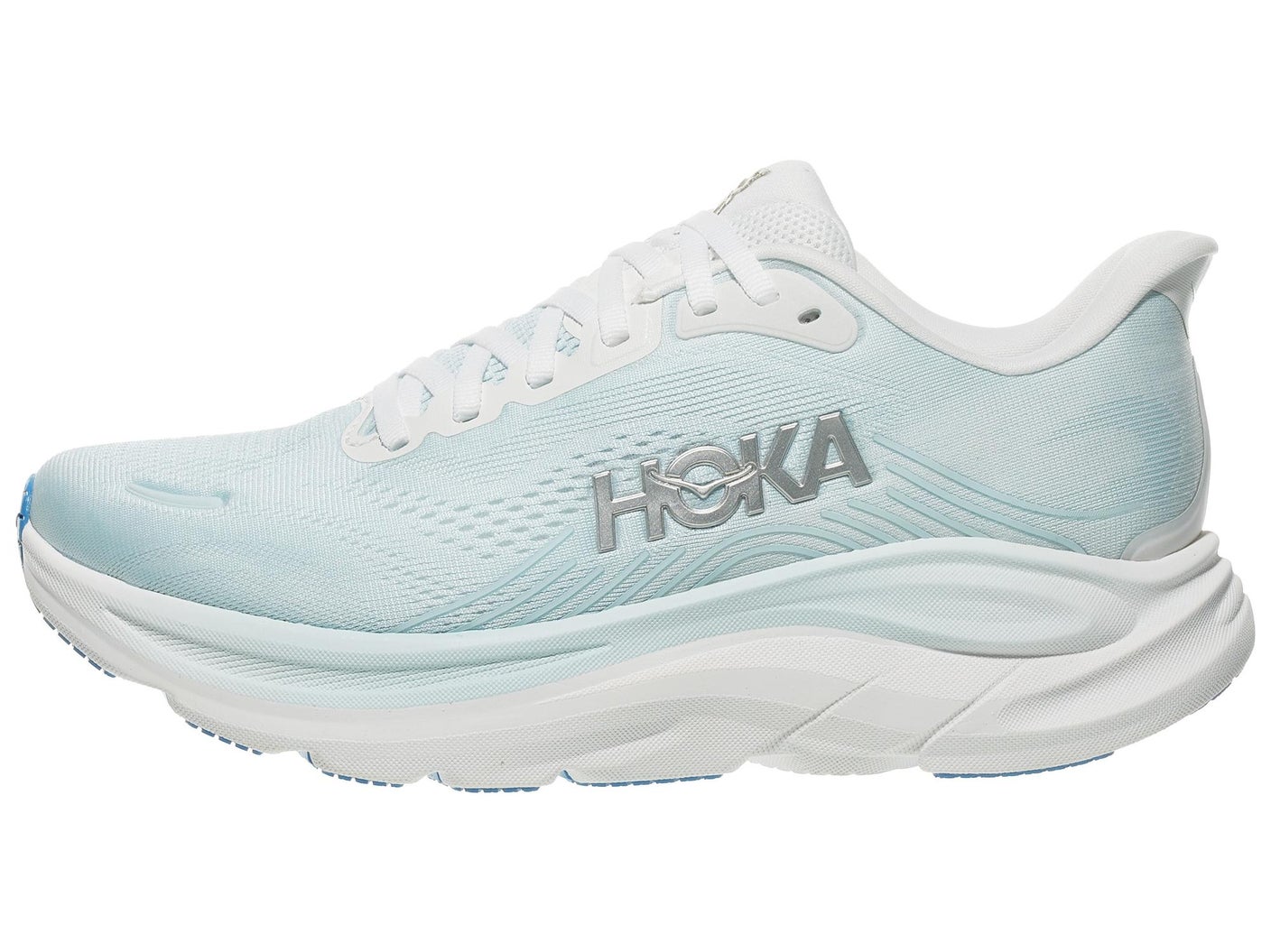
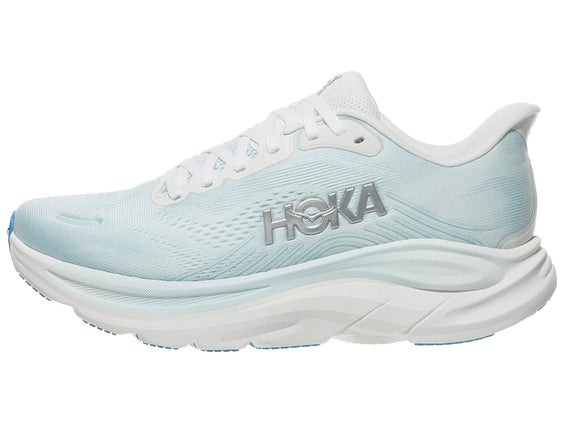
Standard Daily Trainers are the staples of the staples. The bread-and-butter shoes that every brand has leaned on, year after year, model after model, getting them fine tuned into durable, reliable, comfortable offerings with broad appeal. They’re basic in the sense that they provide fits and experiences which their brands know are effective. Standard Daily Trainers are rarely used as proving grounds for new tech, or ambitious geometry changes. That means you might not be purchasing the most cutting-edge shoe on the market, but it means you know that what you're getting will be good for miles and miles and miles. Some standard models we like to highlight here, include:
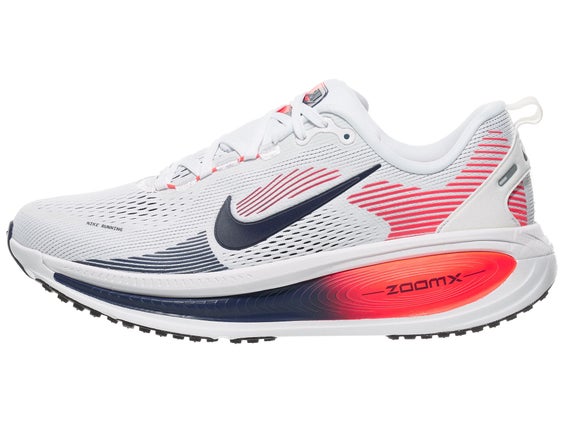
Premium Daily Trainers:
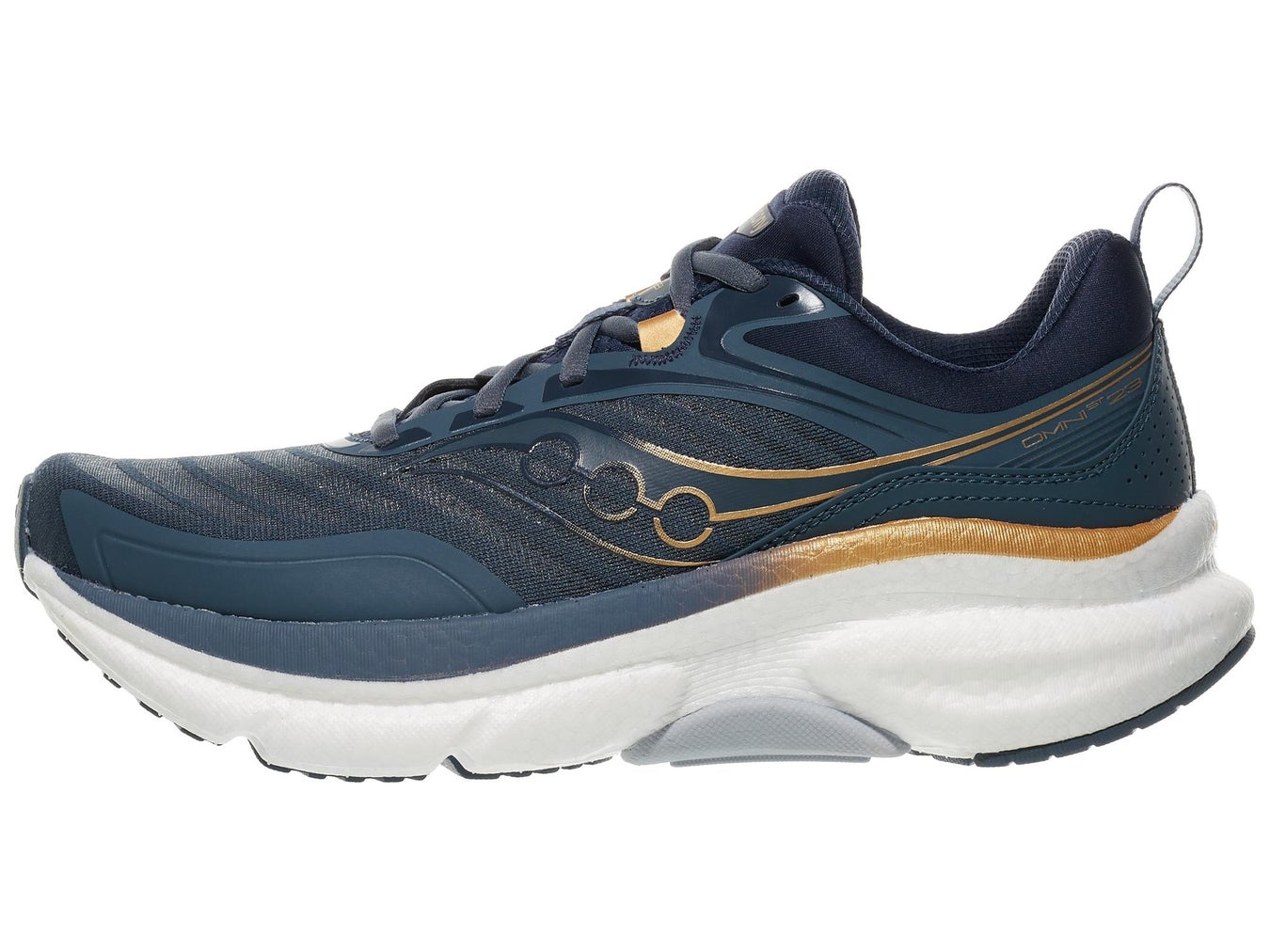
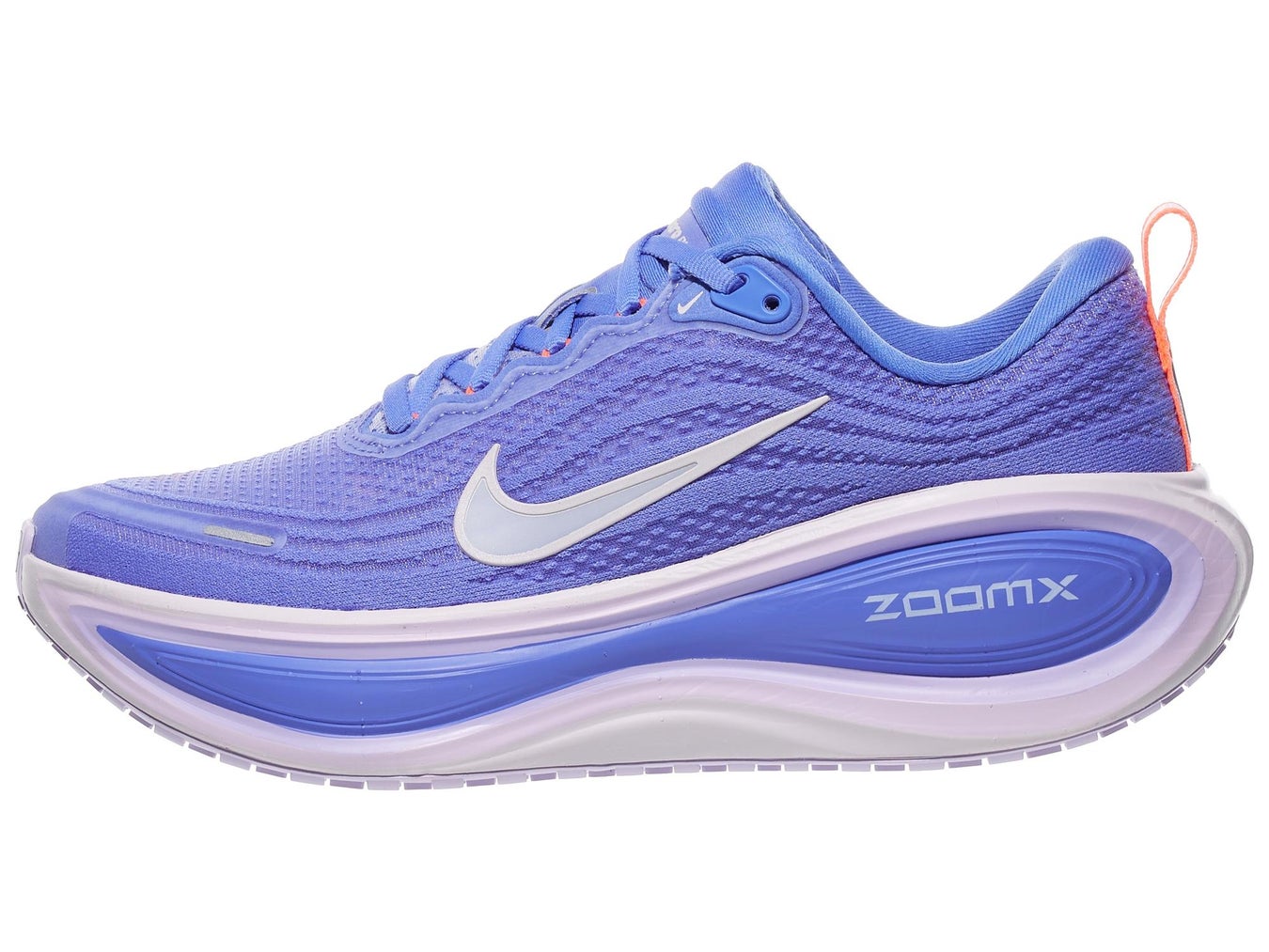
Welcome to the good life. “Premium” Daily Trainers go the extra mile to pamper you. From extra plush uppers to luxurious, premier materials, these shoes elevate your footwear from “just shoes” to statement pieces. They can do this in a variety of ways, so we’d recommend clicking through the Premium category on our website to check out the range of upgrades available.
Stability Daily Trainers:
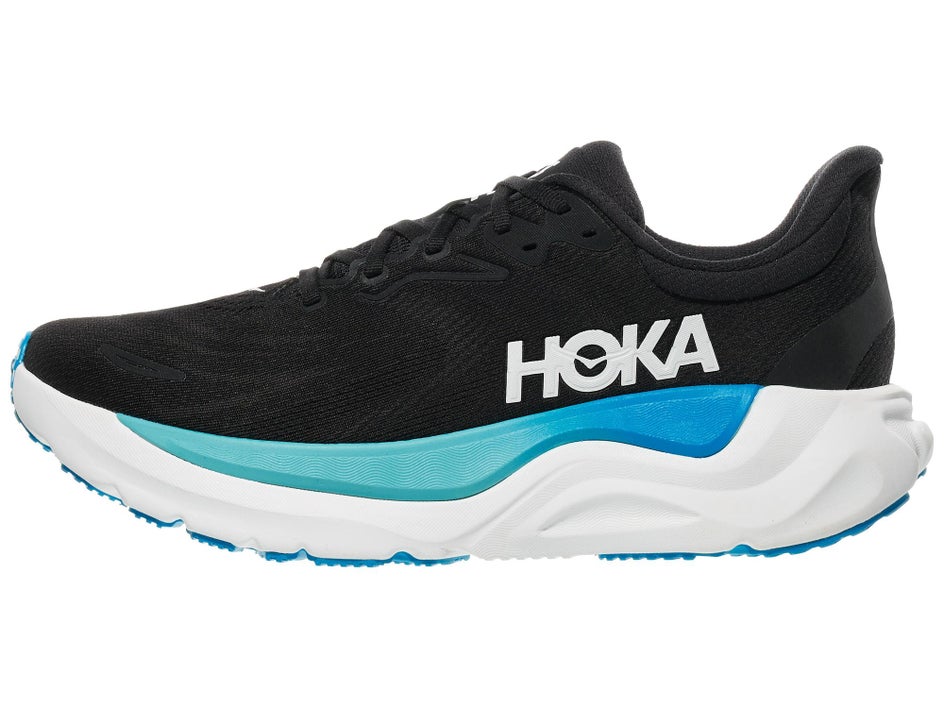
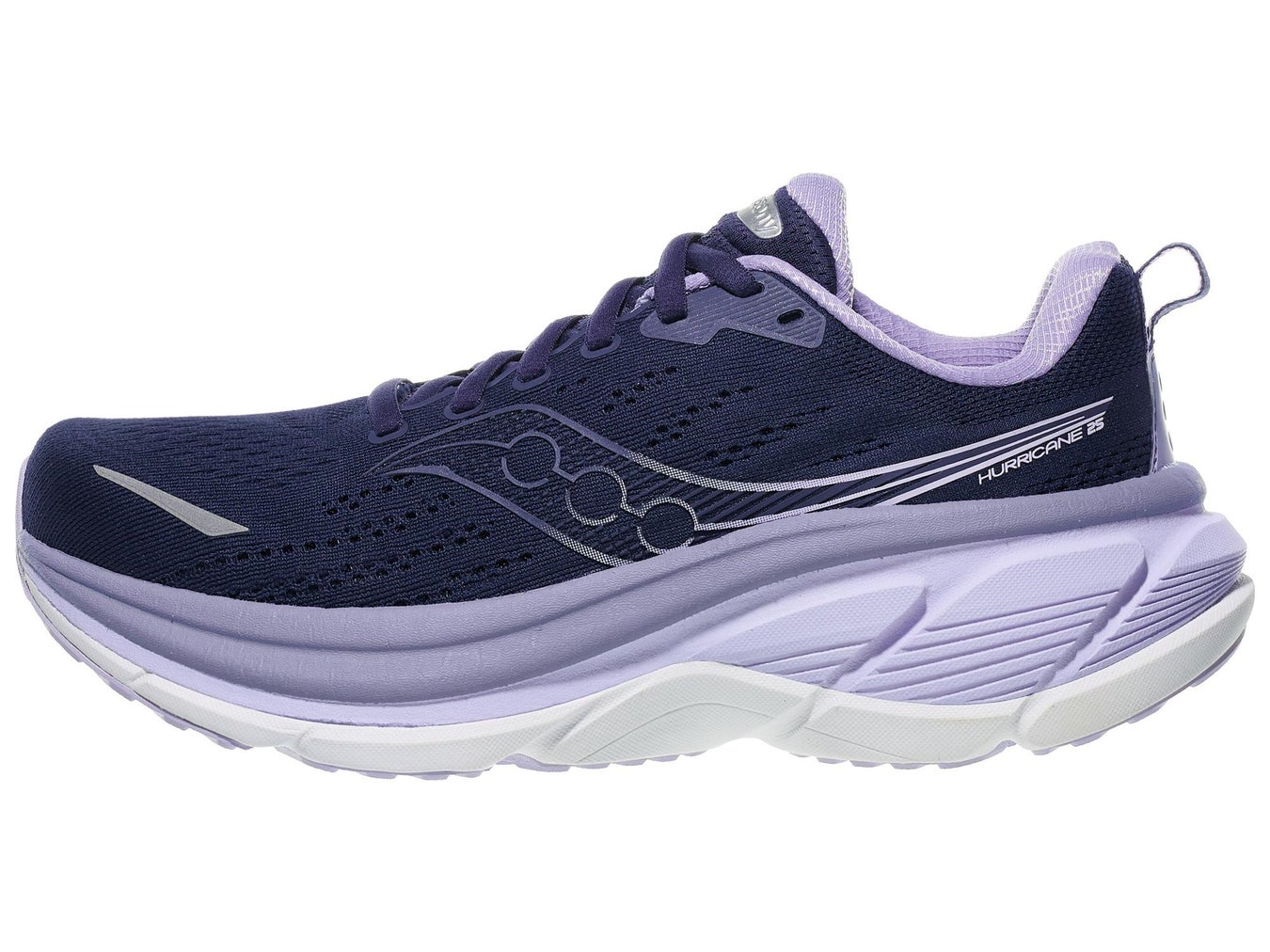
Right alongside each brands’ Standard Models lie their “Stability Standard” offerings. Lots of runners have footstrikes which cause them to ‘overpronate,’ meaning their stride lands on the outside of their foot, then rolls inward. Overpronation is an incredibly common thing. So common that brands have entire lines of “stability trainers” built to accommodate those alternative footstrikes. With denser foam insoles, or adjusted geometries, these Stability shoes account for your stride and keep you running healthy.
If you aren’t sure if you have a neutral stride, or if you pronate, check out our helpful guide here. Then look over some of our favorite standard stability models, offered by brands:
Max Cushion Daily Trainers:
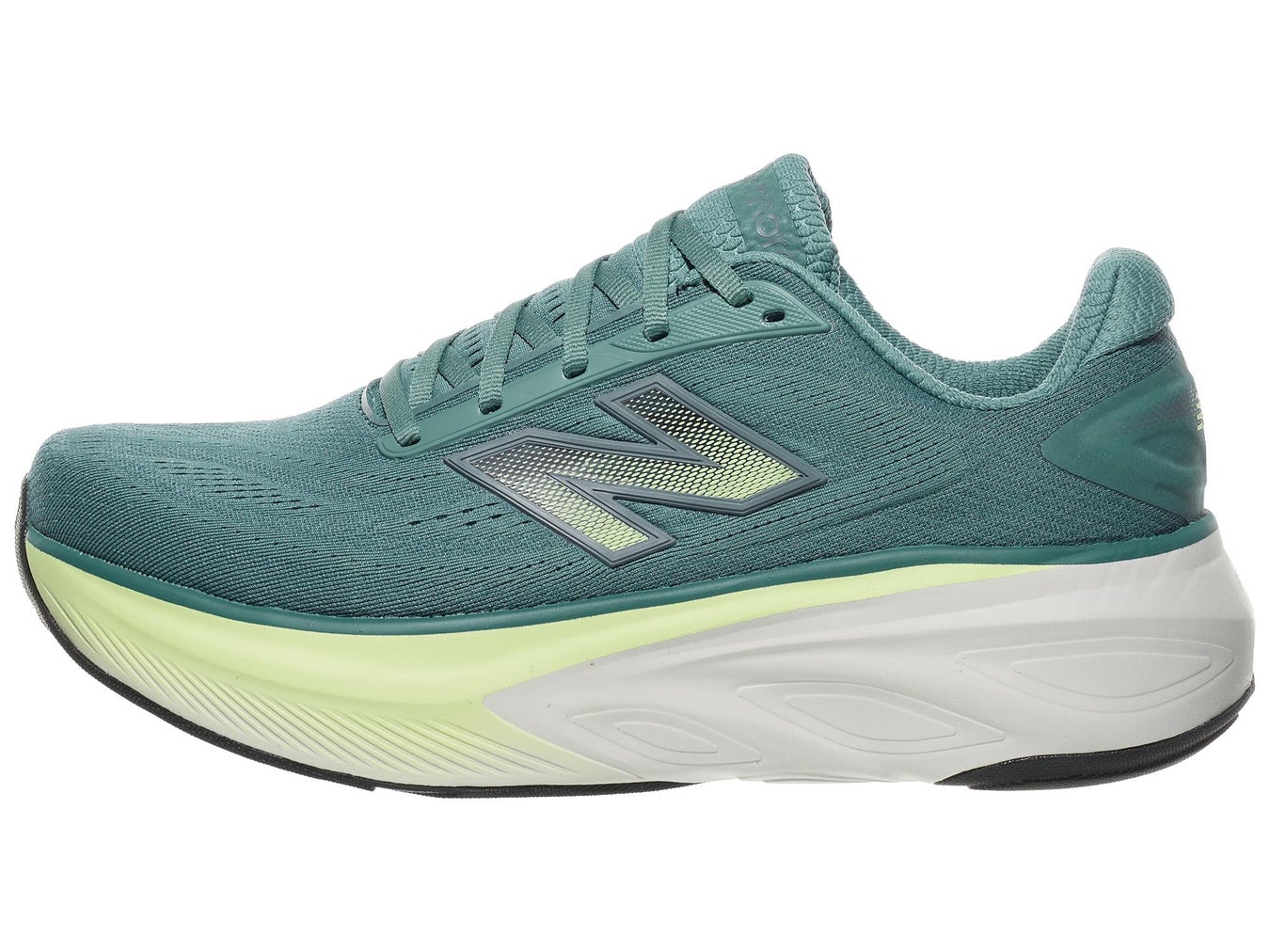
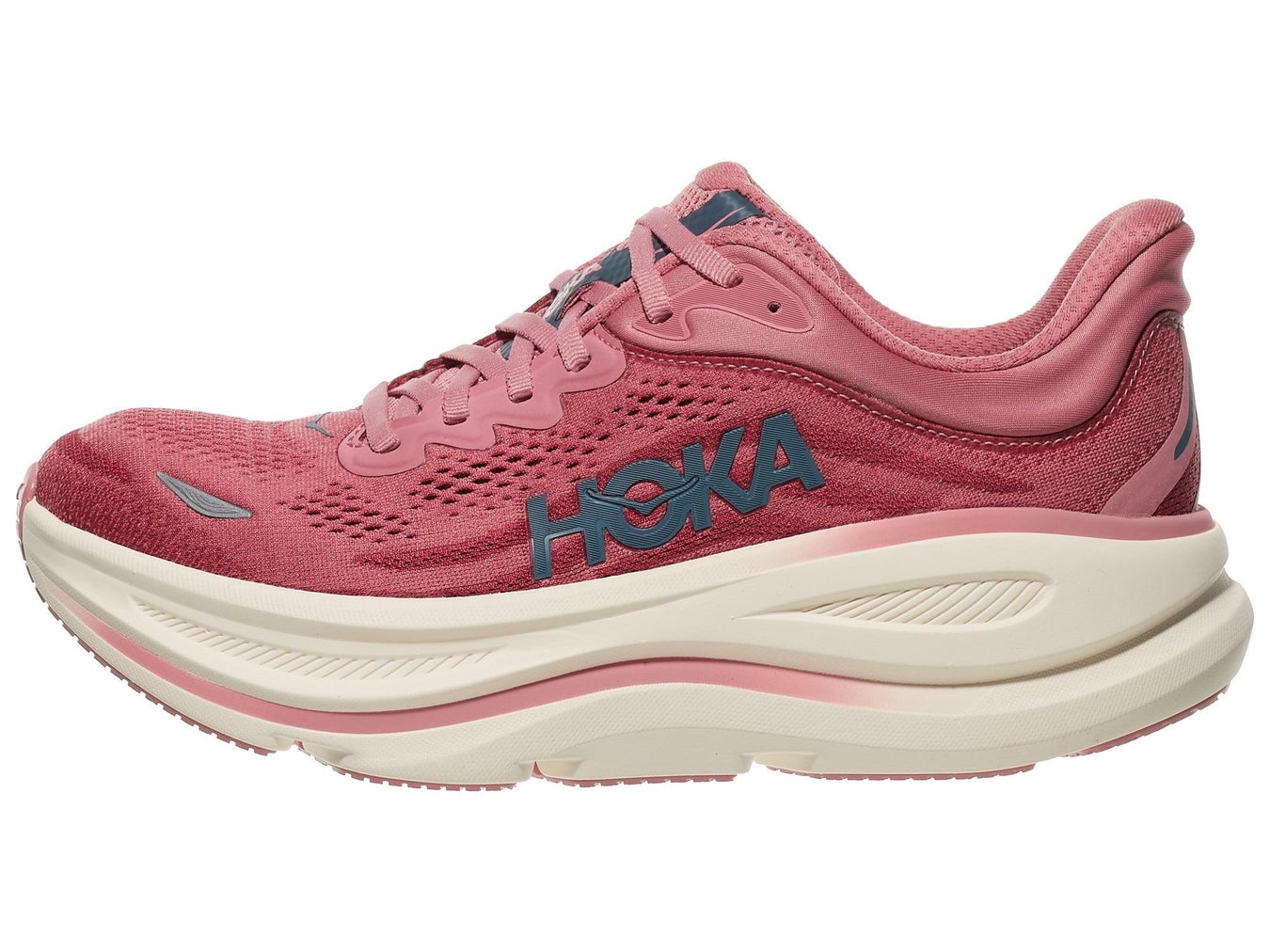
When considering running shoes, one of the highlight features that veterans will check is a shoe’s “stack height,” or, “how high off the ground a shoe holds your foot.” Some of this height comes via the rubber and lugs in the shoe’s outsole. Some of it comes from a brand’s choice of insole materials and dimensions. But the MAJORITY of a shoe’s stack height is derived from the amount of foam packed under the foot. Max Cushion Daily Trainers are shoes where the brands leaned wholeheartedly into showcasing their foams–offering dramatic amounts of squishy, bouncy, plush material underfoot to help make your runs as comfortable as possible. These shoes tend to run a bit heavier thanks to all that foam, but they excel at keeping your feet safe and happy through long runs, recovery days, and easy mileage.
Energetic Daily Trainers:
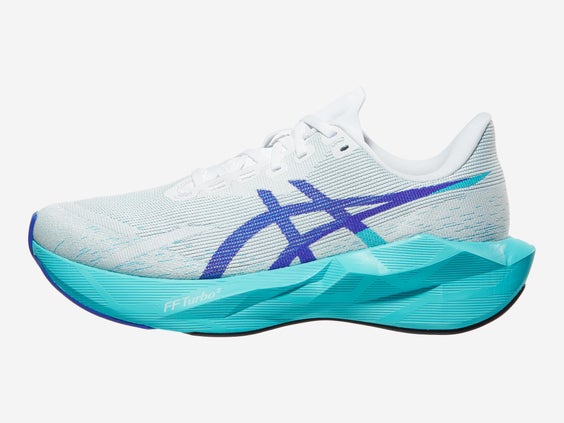
And lastly among our core of Daily Trainers, you’ll find our Energetic Daily Trainers. If plush cushioning isn’t really your thing, and you want a shoe that will be light weight and responsive, so you can go FAST, then here we are. These won’t be the fastest shoes available in the store (those are coming in later categories), but Energetic Daily Trainers will be stable and reliable enough to pop on your feet day after day, and they’ll offer you a little extra pep for your step when you shift gears, lean into your toes, and get after that big interval workout on your schedule. They won’t be as plush or comfortable as other daily trainers, but as a result they’ll be slimmer, lighter, and zippier.
Performance Trainers
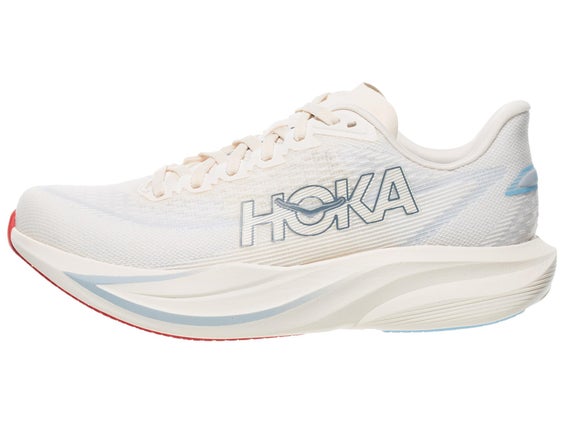
Let’s push the pace a little now, shall we? While Daily Trainers are great for their accessibility and their durability, sometimes you want to REALLY get your turnover going. To see what your legs can do. If you’re trying to build out a shoe rotation-with different shoes for different types of runs- then Performance Trainers are going to become your workout-specific weapons of choice. With the durability and cushioning to last whole seasons’ worth of tempo runs, intervals, and fartleks, but with the upgraded tech and features to help you get the most zip out of your legs, these shoes straddle the line between Daily Training workhorses and Racing Shoes.
Within Performance Trainers, you'll find both Long Run Focused Performance Trainers and Speed/Interval Focused Performance Trainers.
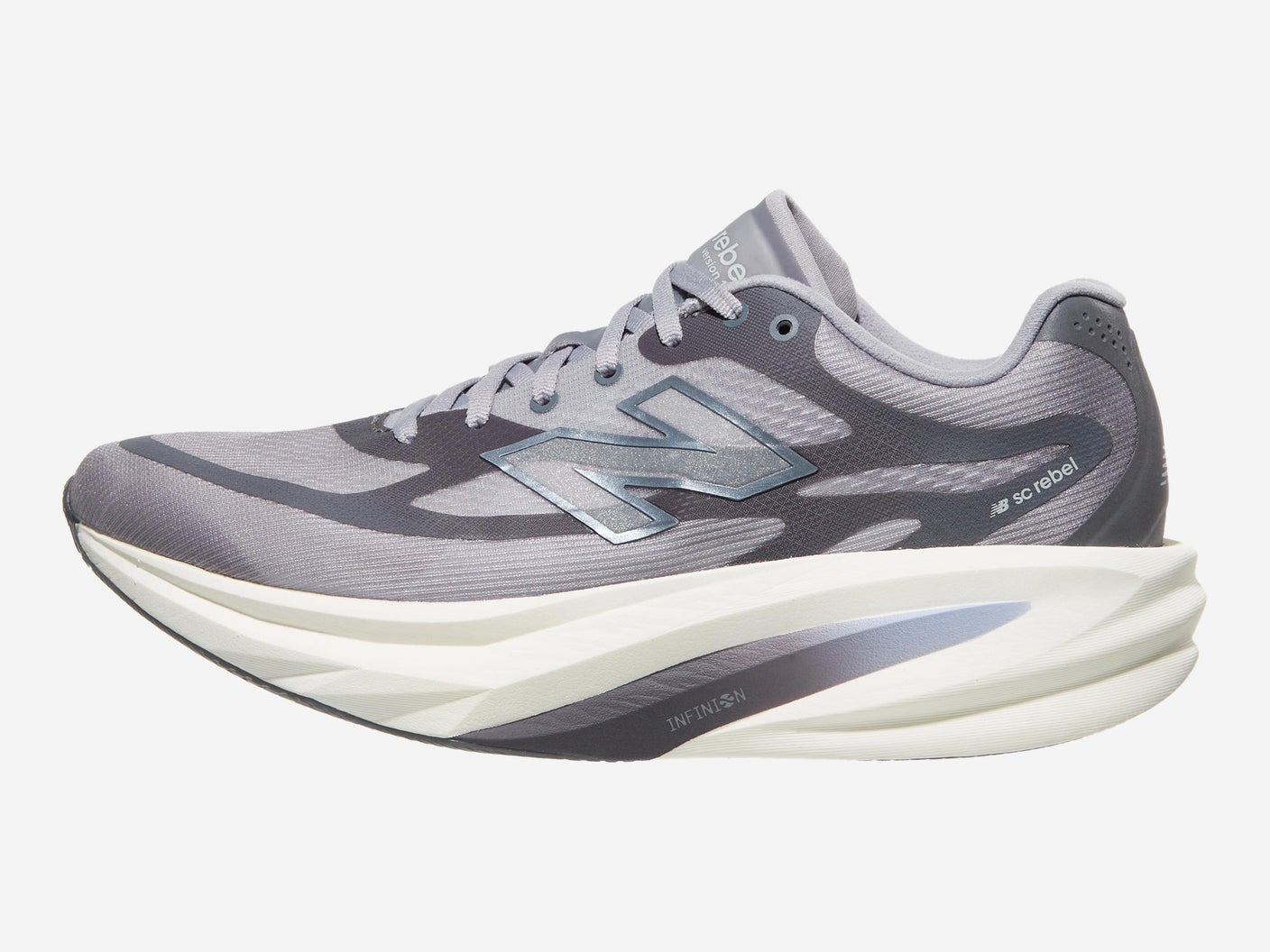
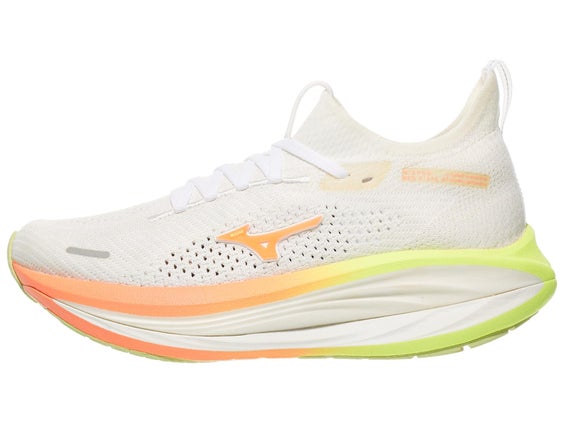
Long-Run Focused Performance Trainers:
Best for long runs and tempo runs. These Performances Trainers make long runs easier with advanced foams and geometries that are geared for running faster than Daily Trainer paces. Unlike in Daily Trainers, sometimes you’ll see “plates” added to these shoes. Plates are slim, firm slivers of carbon fiber, nylon, glass fiber, or other materials that brands have started building into the middle of their foam stacks to help improve responsiveness and stability in shoes. They’re responsible for the “super shoe” categories of shoes and can keep even a more cushioned, comfortable shoe feeling propulsive through longer runs.
Speed/Interval Focused Performance Trainers:
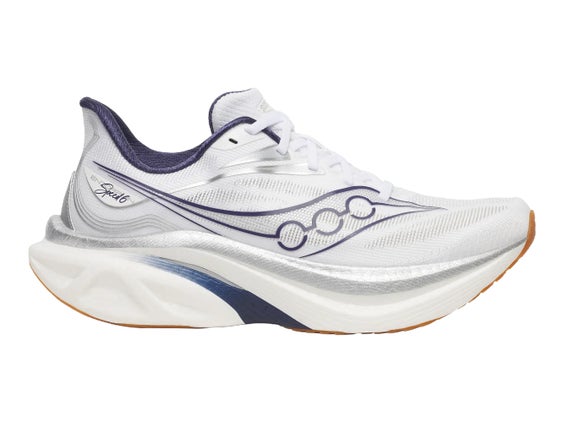
Pick up the pace! These shoes are best for faster running and race prep efforts like intervals and track workouts, but they can be extended for tempo run use. With a great emphasis on speed, these shoes borrow from and compliment Super Shoes while still remaining durable enough to slip on your foot for a whole seasons’ worth of workouts. They won’t be as comfortable as their long-run focused bretheren, but their light weight will help you shave those extra seconds off your pace.
Super Shoes
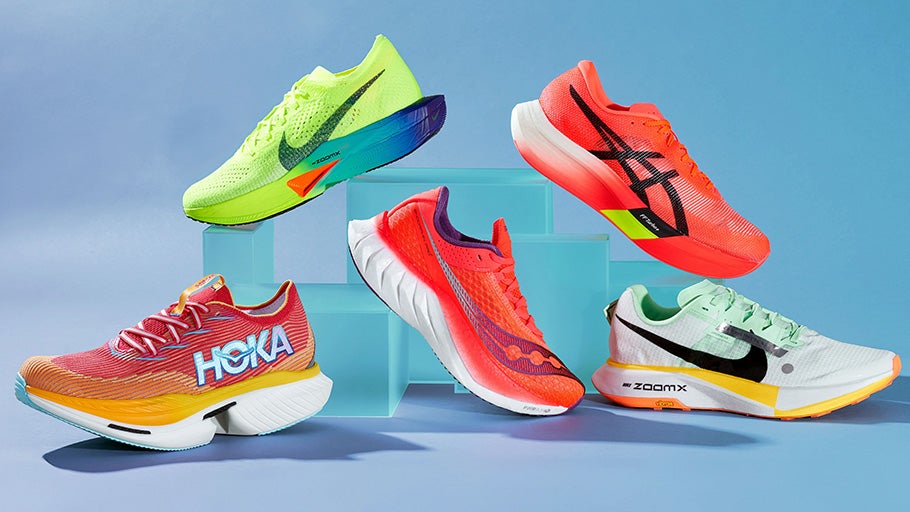
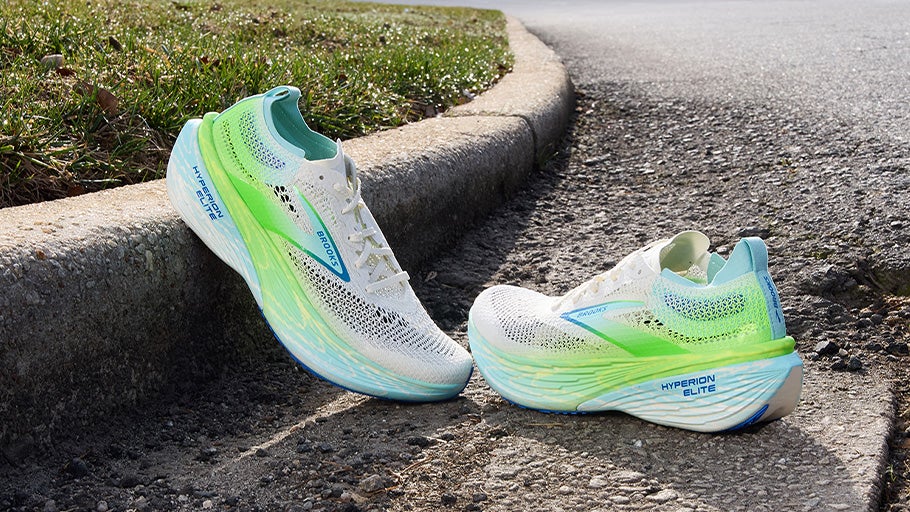
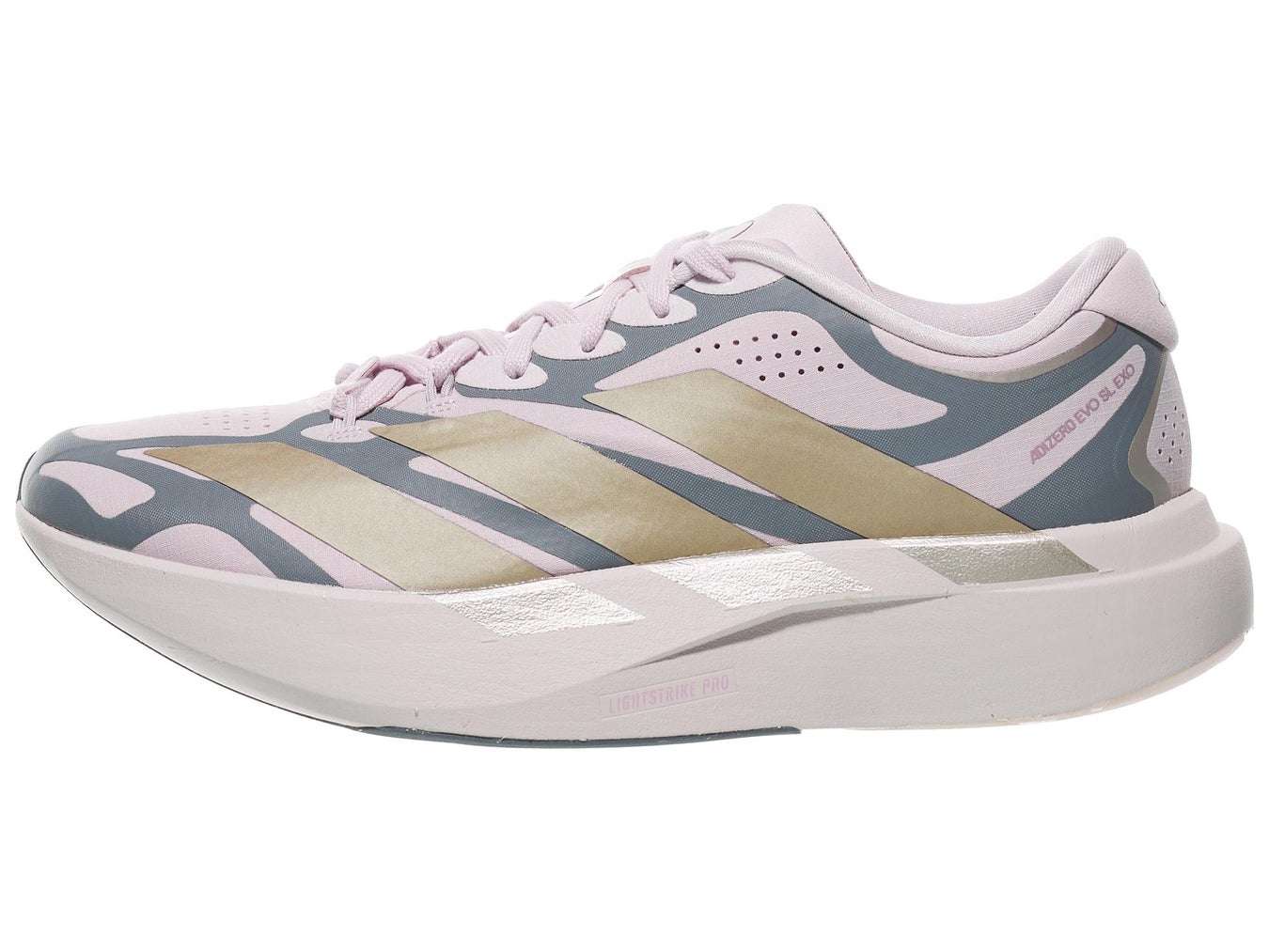
Super Shoes are the fastest running shoes you can buy. They are designed to help you race at your absolute best and represent the pinnacle of running shoe technology and innovation. They have the highest energy return foams on the market, and best-in-the-lab grade plates for elevated levels of performance. Low durability, but maximum speed is the name of the game here.
Low Stack Super Shoes:
These nimble racing shoes have lower stack heights and are best used for shorter races (ie 5k-10k, road miles) and courses with multiple sharp turns. They let you feel the road beneath your feet and keep you feeling connected to your proving-ground of choice. Low Stack racing flats are also great choices for energized intervals on the track or roads.
High Stack Super Shoes:
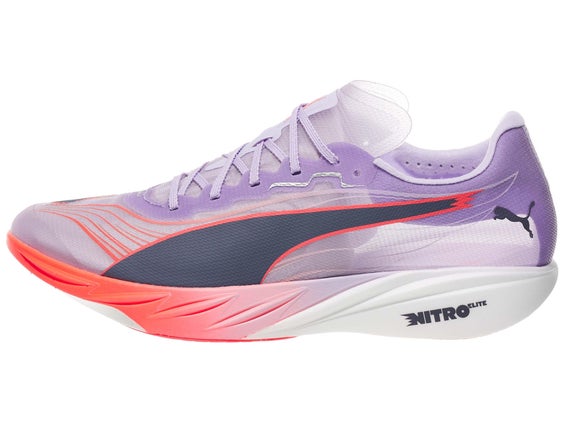
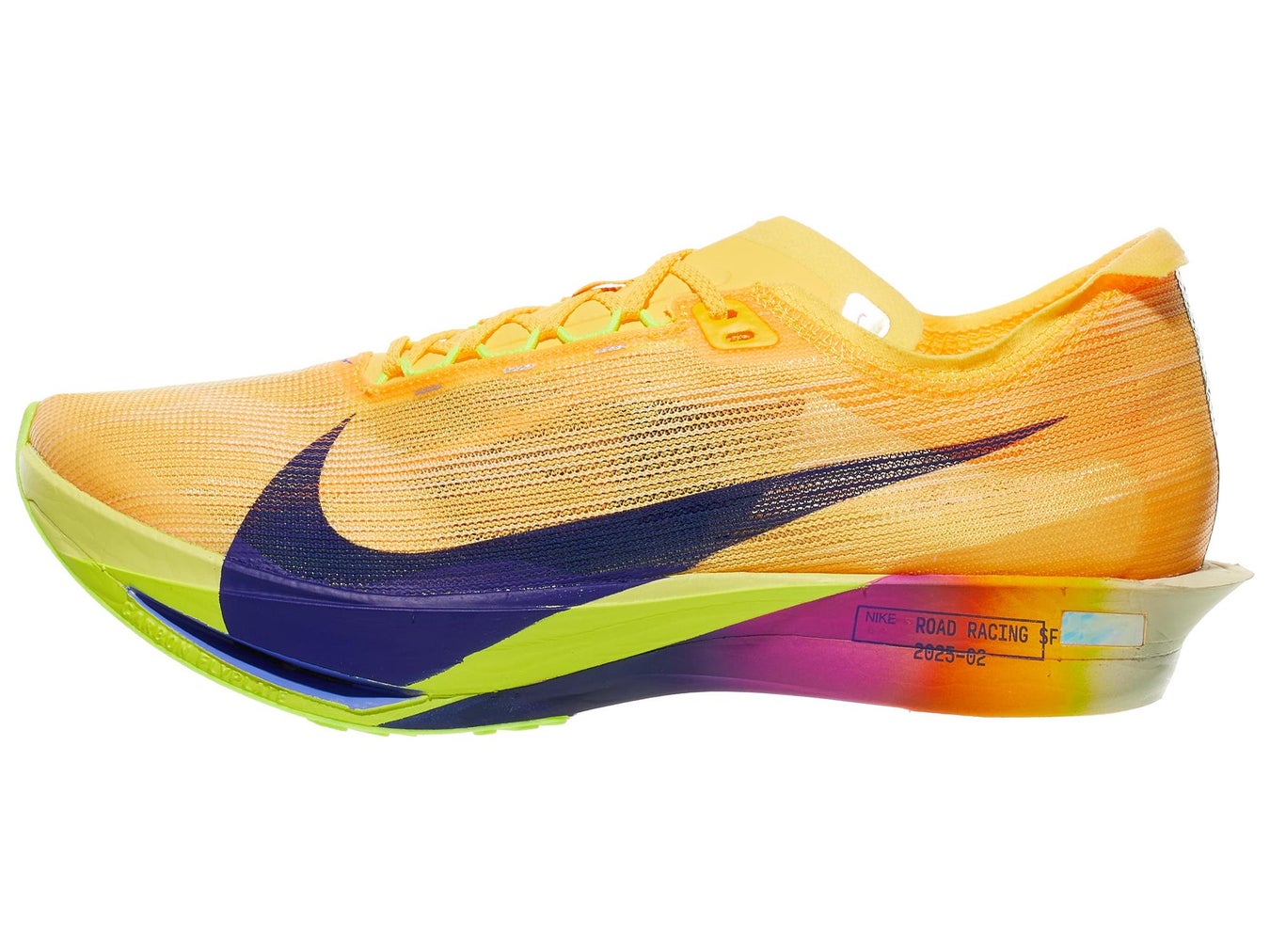
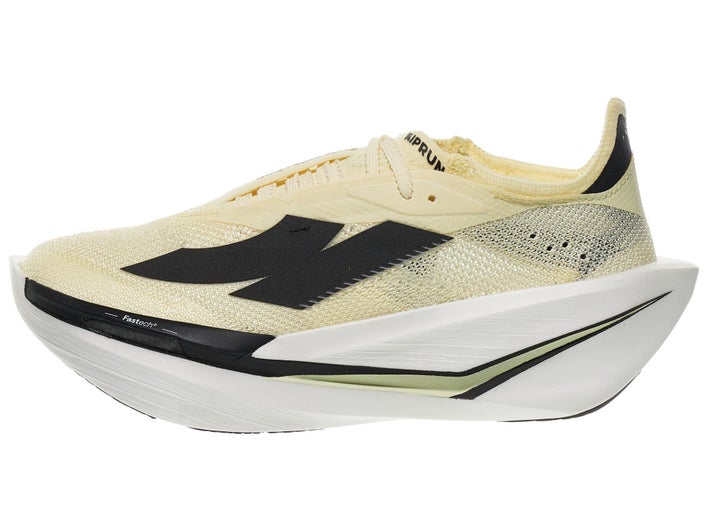
Since their introduction, plated Super Shoes with thick high-tech foams have helped rewrite every running world record. With the foams underfoot becoming springier and more responsive, and the addition of plates to enhance energy return, and radical geometries capable of shaving ludicrous amounts of weight from shoes, this category has evolved a LOT in the past few years. Pushing the boundaries of design and innovation, these shoes will make you faster and are the purest expression of both performance and speed. High Stacks are suited more for 10ks through Marathons, and will help you feel your absolute fastest on race day.
Trail Shoes

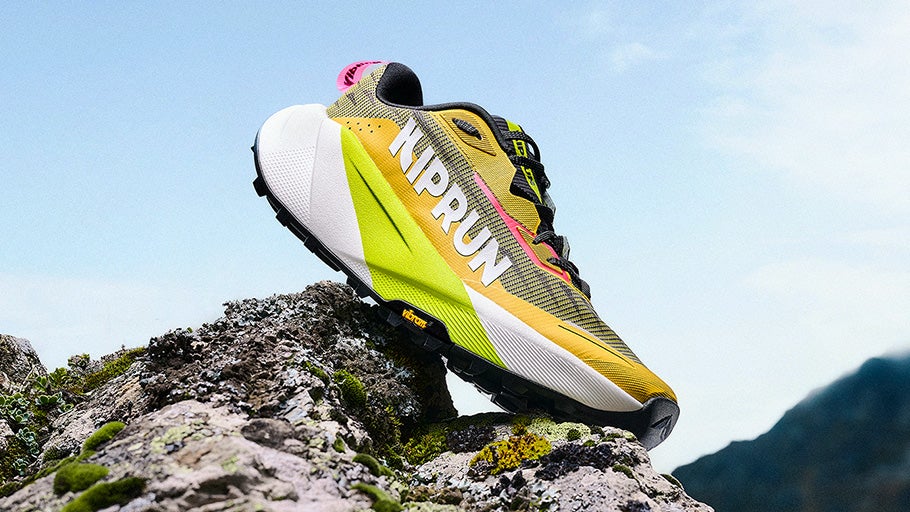
In the multiple categories of running shoes, trail shoes are built for roads less traveled. Trail running requires shoes that can handle a variety of terrains while keeping your feet protected and comfortable. Designed with enhanced grip, stability, and durability, these shoes are made to tackle rocky, muddy, or uneven surfaces. Choosing the right trail shoe depends on how your running style and the terrain you’re tackling. In this section, we’ll break down the different categories of trail shoes: Daily trainer trail, Max cushion trail, Performance trail, and Super trail so you can find the perfect pair for your outdoor adventure.
Daily Trainer Trail Shoes
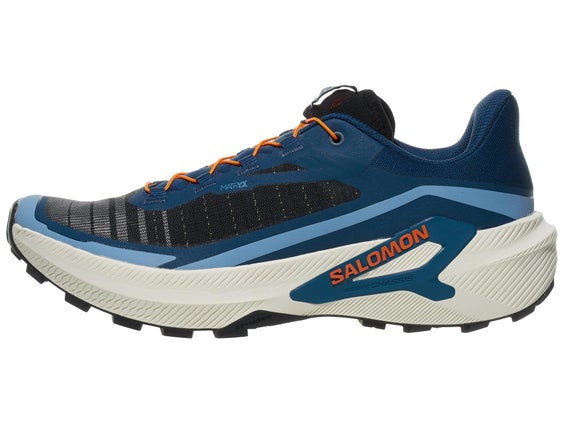
In the same vein as the standard daily trainers, but what if you’re taking your adventures off roading? When considering mileage runs across trickier, uneven terrain, you’re going to want shoes with thicker midfoot foams to protect you, more durable materials, and some grippier rubber in your outsoles, for the variety of surfaces you might come across. And these Trail Daily Trainers are here to deliver.
Max Cushion Trail
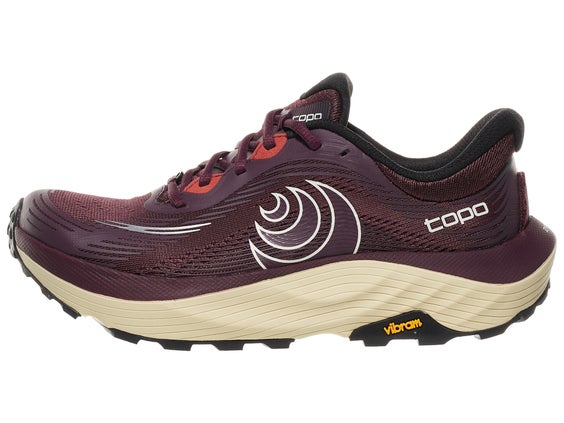
Again, a trail-centric variation to the road-centric category. Max Cushion Trail Shoes lean into all the same highlights that their asphalted bretheren do: Extra foam in the midsole to offer extra plush and comfortable rides. Bone bruises will be a thing of the past, just be careful with your higher center of gravity!
Performance Trainers Trail
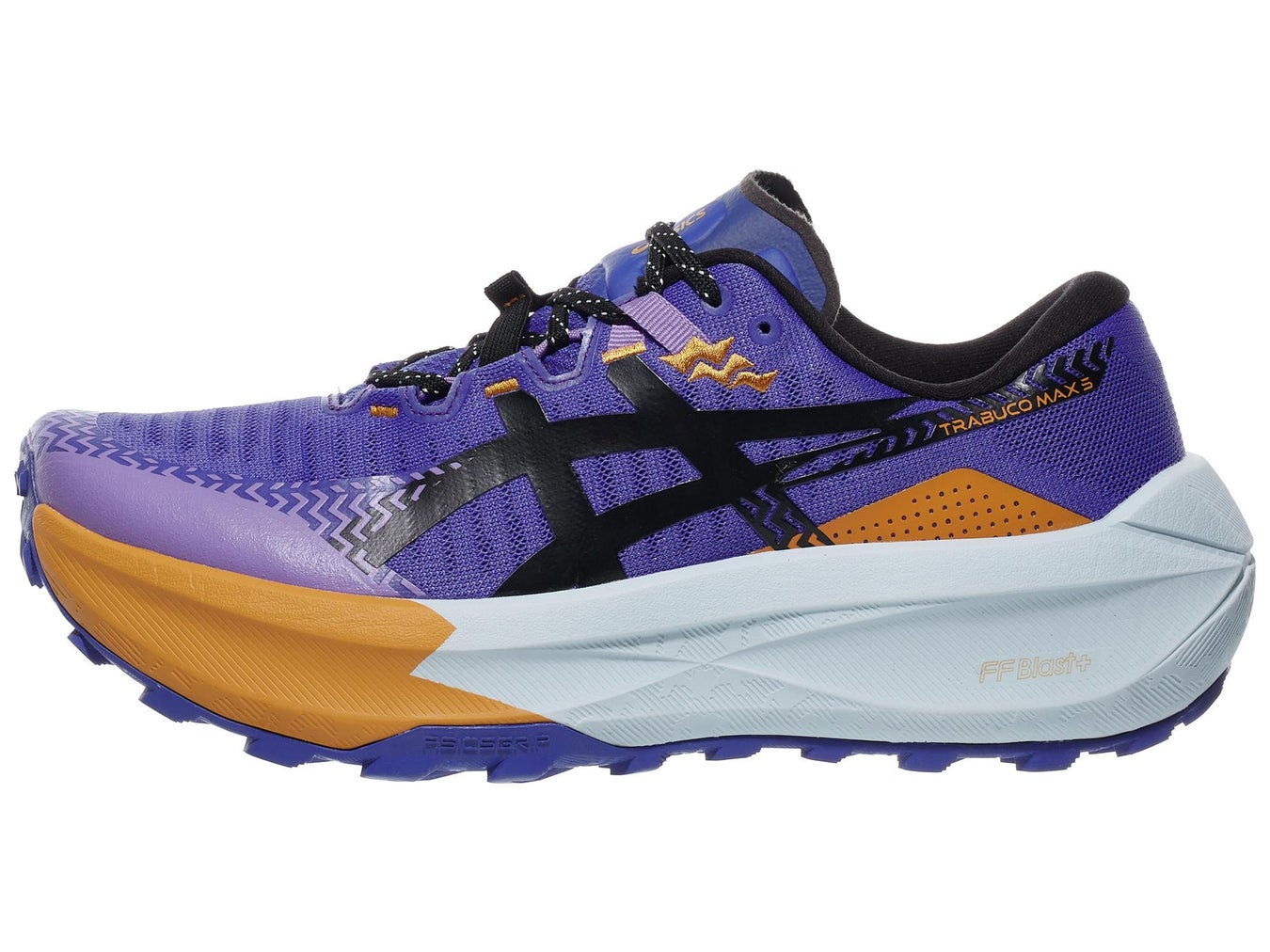
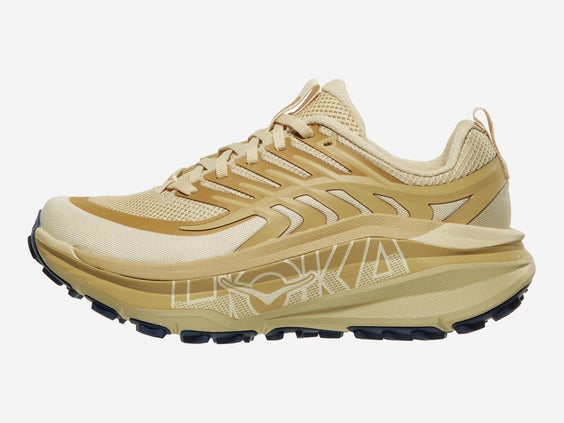
This is the category for taking those previously mentioned standard daily trainer trail shoes, and refining them so that they can be lighter, and more responsive, without losing that protection that a trail shoe needs to provide. They’ll still have wide bases, durable materials, and sturdy frames, but with the PERFORMANCE Trail trainers you’ll get even stickier outsoles, more fine-tuned geometries, and springier foams for added propulsion.
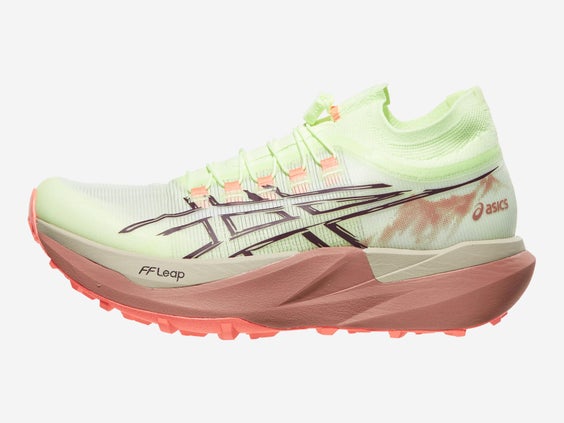
Super Shoes Trail
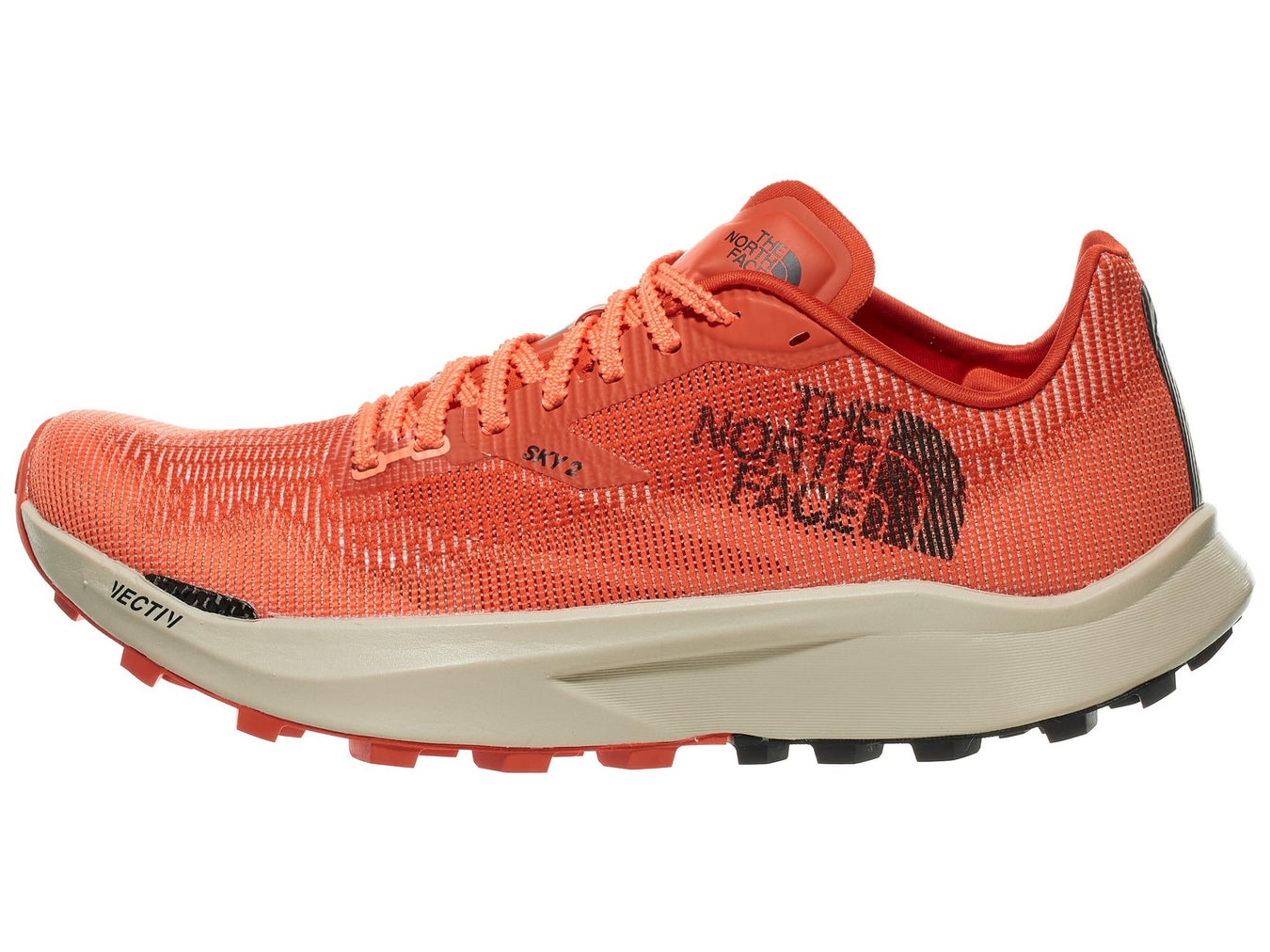
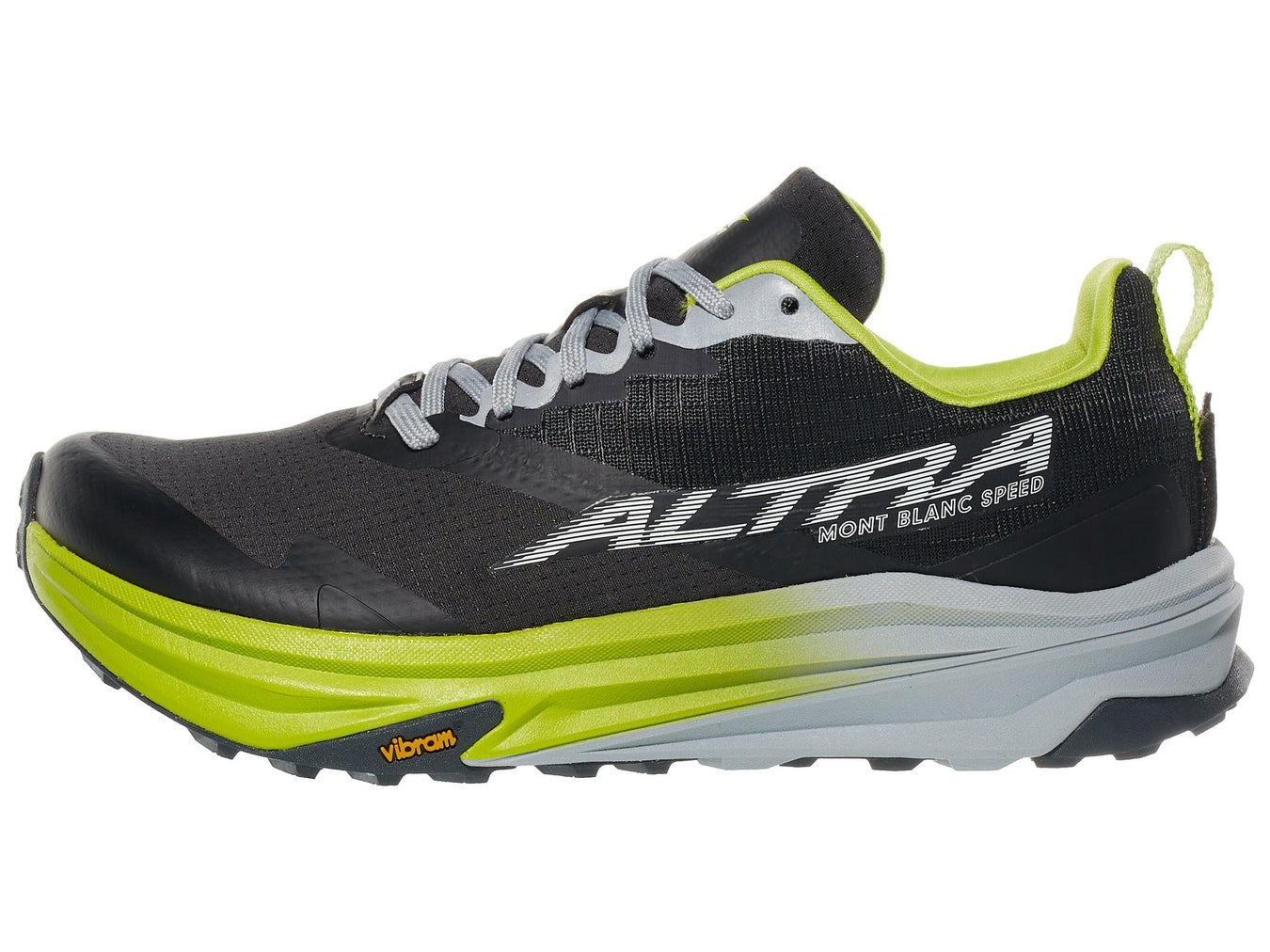
Blending the light weights and race-day speed that road super shoes boast, but keping shoes durable and protective enough to handle trails feels like an impossibly narrow target to hit. And yet, these shoes stick the landing admirably, able to give you the fleet footed confidence you need to conquer those root-and-rock covered technical trails as you charge past the competition on race day.
Track and Field / Cross Country
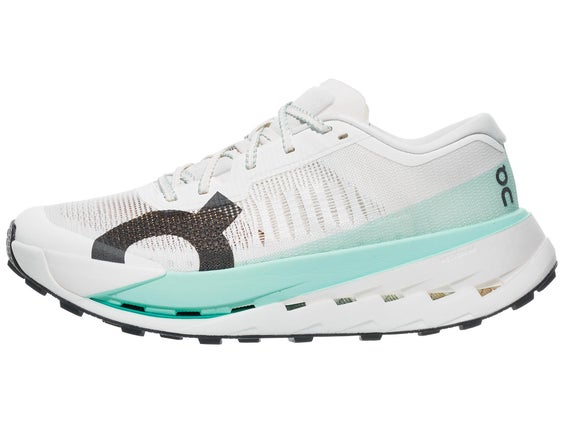
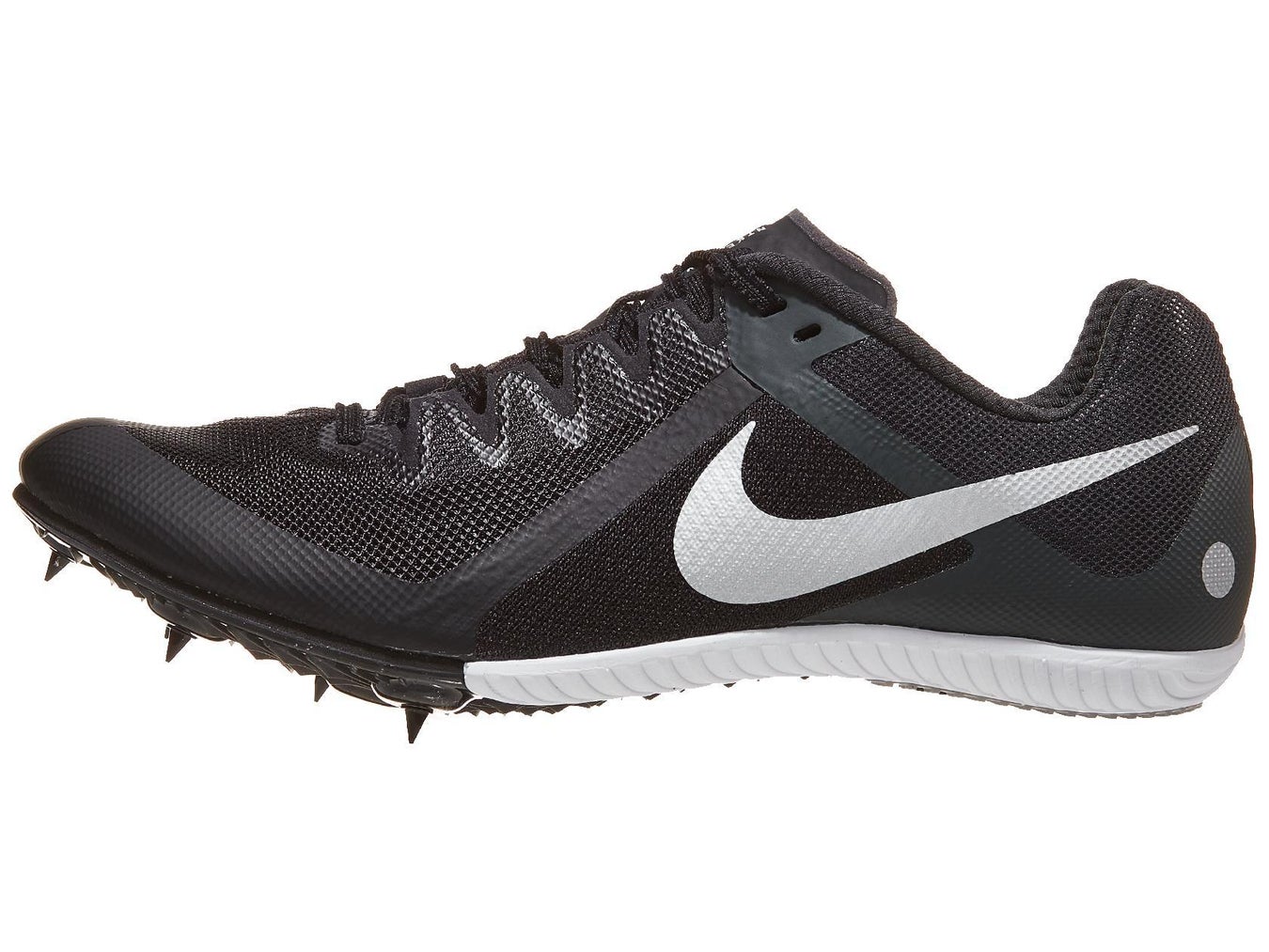
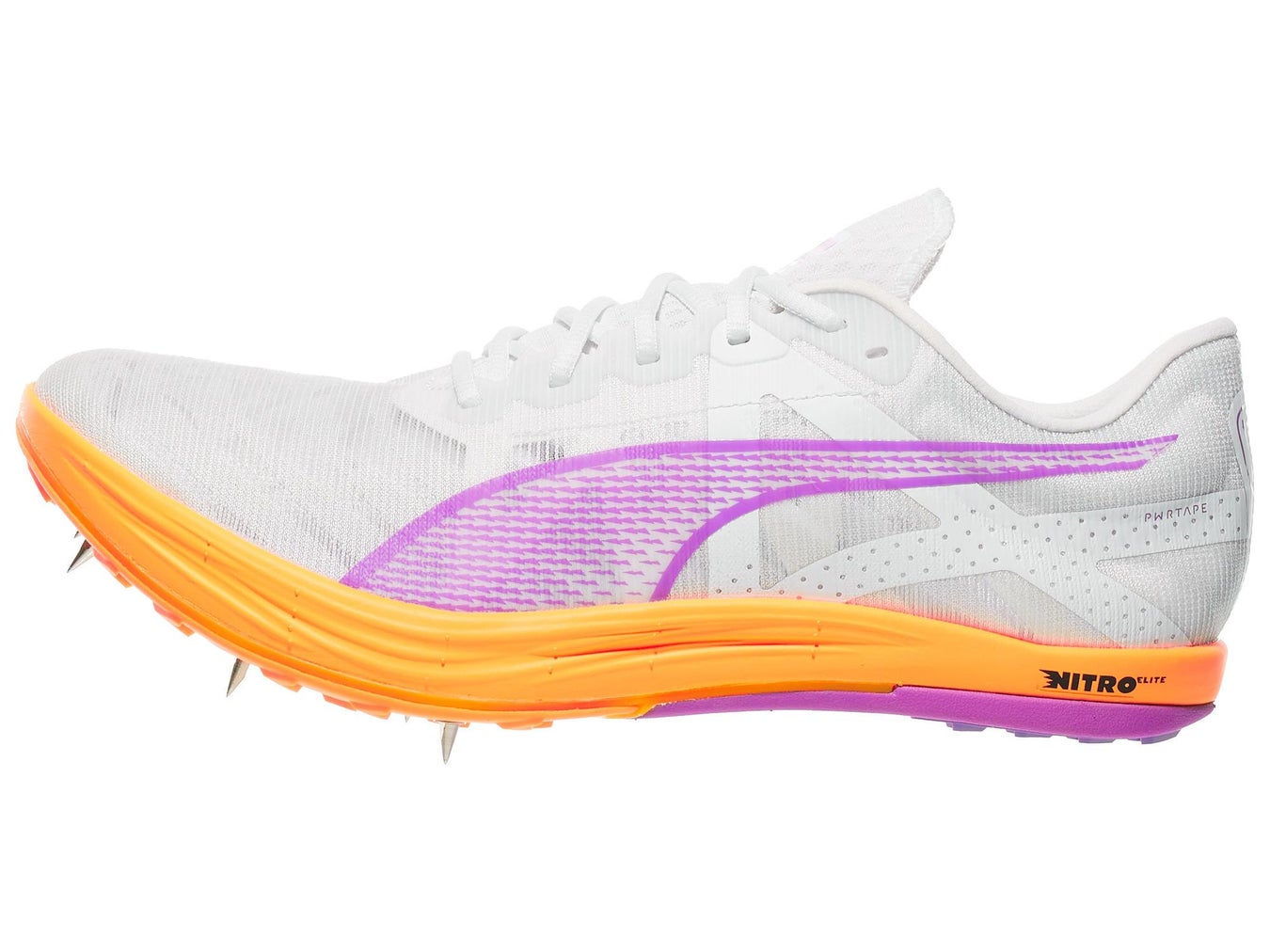
And then there are those ‘other’ race days. Whether you’re stepping up to the painted white lines of a rubberized track, or the grassy fields of your local park, specialized spikes and flats exist for nearly every distance and course type. The nuance becomes extensive here, with different features available for sprint-events, steeplechasers, throws, and everything in between. So, for more detail than this article can cover, we’d recommend you keep going down the specialization rabbit hole through one of our articles about which Track Spike is right for you, or which XC spike is right for you.

FAQ
What are the main categories of running shoes?
With all the types and variations of running shoes on the market, most fall into four main categories: Daily trainers, performance trainers, super shoes, and trail shoes. These categories help you narrow down the type of shoe you need base on kind of run you're plain to do. Each category is designed with a specific purpose in mind, offering different levels of cushioning, support, and responsiveness to match how and where you run.
How do I know which running shoe type is right for me?
The best running shoe for you depends on where you are in your running journey and where you want to go. Before hitting the road or trail, consider your running goals and how you plan to achieve them. Are you just starting out and running 5 to 10 miles a week? A versatile daily trainer running shoe designed for everyday mileage, comfort, and support may be the perfect choice. Are you a dedicated runner chasing your fastest times? A super shoe built for speed, efficiency, and performance is ideal for racing and high-intensity training. Every running shoe serves a specific purpose for different types of runs, so avoid choosing shoes based solely on style or appearance. To get the most value and best performance from your shoes, fit, support, and function matter most.
Can running shoe type affect injury risk?
Wearing the wrong running shoe can increase your risk of injury. Ill-fitting shoes or shoes with the wrong support can lead to running-related injuries like IT band syndrome and plantar fasciitis. Shoes with stability or motion-control features can help runners who overpronate, and max-cushion shoes can benefit runners who need softer support in their gait. Remember that running shoes have a lifespan. Foam underfoot wears down over the miles you put in, and support tends to fade with use. Consider replacing your shoes when they no longer support you as they should (roughly every 300-500 miles).
Is a "Super Shoe" worth the investment?
What is the difference between a daily trainer and a performance trainer?
Daily trainers are made for comfort and durability across mainly easy and moderate runs. These are workhorse shoes that make up the bulk of your weekly mileage. Performance trainers have advanced technology like livelier foams, lighter weights, or even a carbon or nylon plate. They're designed for tempo runs, intervals, and faster days. Simply put, daily trainers get you through the bulk of your mileage while performance trainers are built to move faster.
What running shoe type is best for beginners?
For most new runners, all you need to get started is a standard daily trainer. They offer a balance of cushion, support, and durability without the advanced price tags of some other shoes. If you're mainly running on pavement, a road daily trainer should do the trick. If you tend to hit dirt paths or trails, consider a trail-specific trainer to protect you on uneven terrain. Once you increase your mileage and run consistently, it could be worth exploring the world of performance or max cushion trainers.
Shop With Confidence
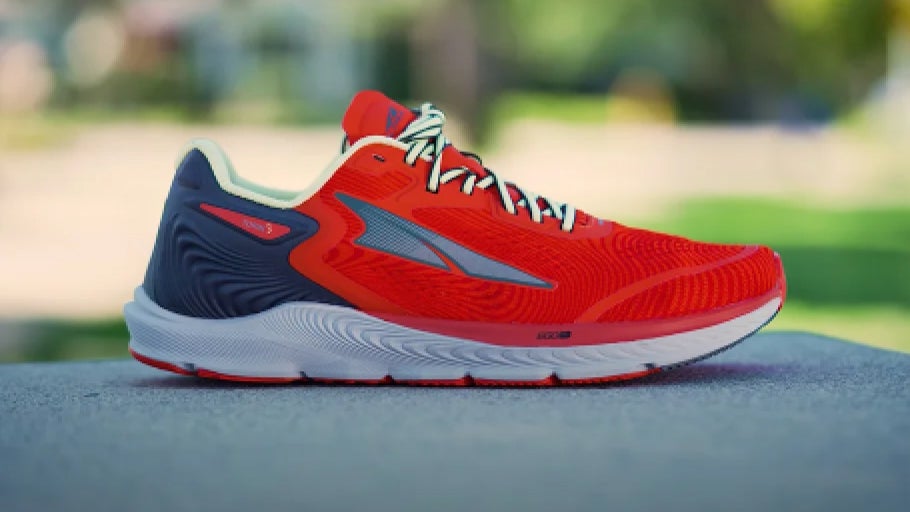
So, there you have it. We’ve done our best to map our shoes for an intuitive, logical shopping experience, but hopefully this guide helped you to really grasp the differences between our labels. As you shop through these umbrella categories, you’ll find brands and features that put their own unique spins on things. Whether it's Mizuno carving the heels off their Wave Rebellion Pros, or Altra’s no-drop approach to daily trainers, there’s plenty to shop around within these categories for.
We hope we’ve helped you to find the right starting point for your next favorite shoe, and remember that you can always ask our Customer Service Team for help in the chat window if you get stuck.