How to Prevent Chafing While Running

Chafing is one of those running nuisances that creeps up on you; a raw patch of skin, an uncomfortable rub, a distraction when you’d rather be focused on a pace, route, or finish line. At Running Warehouse, we believe that every runner deserves the gear and guidance to let them run confidently, comfortably, and irritation-free.
This guide covers what causes chafing, how to prevent chafing, and how to treat it fast, so you can stay focused on your run, not your skin.
What is Chafing?

When two surfaces rub together (skin vs skin, skin vs fabric, or fabric vs gear) and moisture is involved, you get friction. Add sweat, heat, salt, and repeated motion (i.e., every step you take) and you’ve got the perfect storm for chafing.
You can have chafing with any activity, but some of the most common are long-distance running and cycling, where you have a lot of repetitive motion for a long duration of time.
Common causes of chafing include:
- Fabrics that don't wick moisture
- Sensitive skin
- Hot or humid weather
- Clothes that don't fit correctly
- Large muscles or extra body weight
The first warning sign of chafing is a hot spot, an area that feels warm or irritated. Some common areas for chafing are the inner thighs, underarms, around sports bra or chest straps, nipples, waistbands, and even between the toes. As soon as you feel that irritation, it’s time to stop and check on the area before it gets worse.
Steps You Can Take to Prevent Chafing
Avoid cotton
Clothing made from cotton absorbs moisture and is prone to getting wet quickly and taking longer to dry. The rubbing from the wet fabric against your skin is a surefire way to increase the risk of chafing, so save cotton apparel for soft post-run comfort.
Wear breathable moisture-wicking fabrics
Instead of cotton, opt for quick-drying or moisture-wicking materials such as polyester, lycra, nylon, or spandex, which are breathable and lightweight fabrics that transport sweat away from your skin and reduce friction.
Make sure your gear is fitting properly
In addition to selecting the right synthetic fabric, ensuring you have the appropriate size and fit for your running gear will also help prevent chafing. Loose or tight-fitting clothes cause more friction from fabric-to-skin contact, so look for the Goldilocks standard of not too big or too small.
For men, be mindful of running shirts and tanks that rub against your chest, which can cause skin irritation. For women, ensure your sports bras are properly fitted, secure, comfortable, and seamless in their design to avoid any chafing from the bra's band or straps.
When it comes to running shorts, look for shorts that feature flatlock seams to avoid uncomfortable rubbing from the inseam on the inner thighs. You may want to consider wearing compression shorts, fitted half-tights or full-length tights, which offer a snug fit, support muscles, and help with moisture management. No matter the type of running gear, having the appropriate fabric and fit will enable you to run in chafe-free comfort.
Add a protective barrier
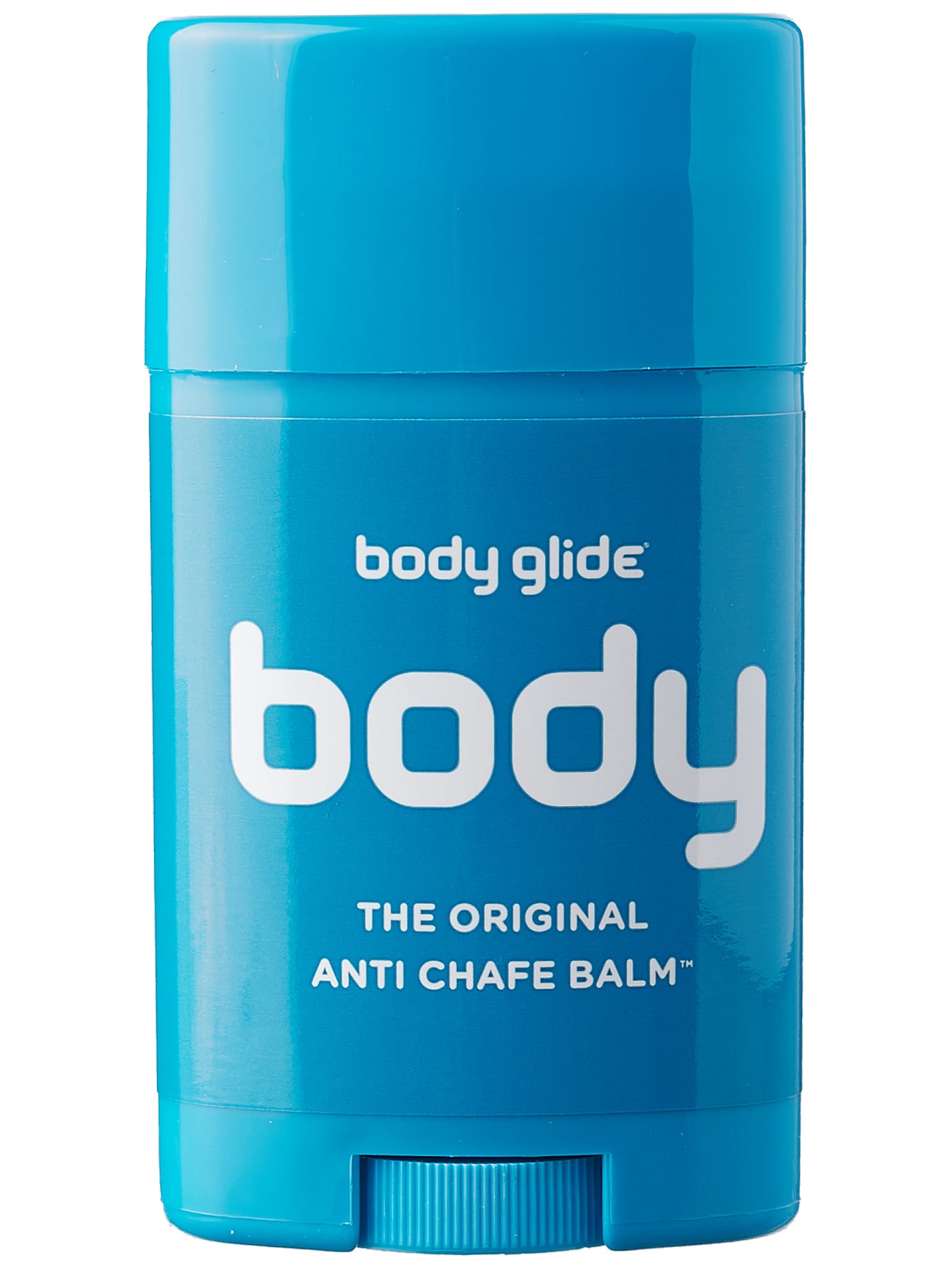
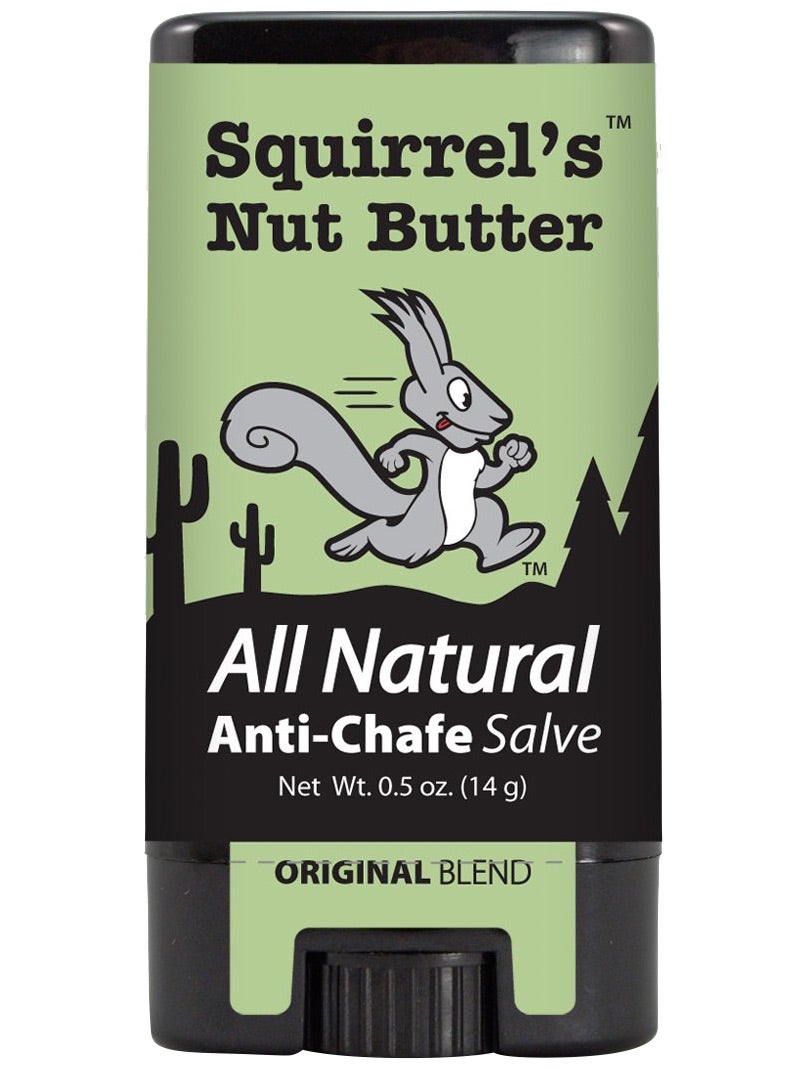
Even the best running gear can’t eliminate all friction, so it helps to add a layer of protection. Anti-chafe sticks, creams, or powders create a smooth layer between your skin and clothes, letting sweat roll off instead of rub in.
Before heading out, swipe or rub a light layer anywhere you tend to feel hot spots: inner thighs, underarms, or along straps. A few seconds of prep can save you a lot of sting later.
And for the men, don't skip nipple protection! Adhesive covers like Nip Guards stick through long runs and all kinds of weather, then peel off easily when you’re done. Simple fix, big difference.
Stay dry
Moisture is a major contributor to chafing. The more damp your skin or clothing, the higher the friction.
Choose lightweight, quick-dry clothing and gear especially for warm/humid runs.
Right after your run, change out of sweaty gear. Let your skin breathe and recover.
In rainy or humid conditions, reapply your anti-chafe balm just before you head out. And consider packing a backup shirt or liner if the weather turns.
Stay hydrated
Staying hydrated isn't just important for overall performance; it can also help prevent chafing by:
- Reducing skin dryness: Being mindful of our water consumption throughout the day is vital in maintaining skin elasticity and preventing abrasion and rashes.
- Preventing sweat from drying into salt crystals: When you are properly hydrated, your body sweats as it should; when you are dehydrated, your sweat has a higher concentration of salt, which turns into salt crystals that rub against your skin.
Several hydration products and accessories offer convenient access to water during your run. From handheld bottles with adjustable straps to waist belts with soft flasks, there are plenty of lightweight options to choose from that will help keep you hydrated without derailing your performance.
If you plan on hitting the trail or going on an extended run, you might want to consider a hydration pack or vest, which will provide more fluid capacity to quench your thirst. When wearing a hydration belt or vest, make sure to tighten the straps for a secure, snug fit to avoid any uncomfortable bounce on your run.
How to Treat Chafing After it Occurs

Even with the best prep, chafing can still happen. The key to chafing treamtment is acting quickly so your skin can heal fast and you can get back to training without discomfort.
Follow these steps to treat chafed skin effectively:
- Clean the area gently. Wash with mild soap and cool water to remove sweat, salt, and bacteria that can irritate the skin.
- Pat dry, don’t rub. Friction makes chafing worse, so be gentle when drying the area.
- Apply a plain, unscented healing balm. Choose a plain, unscented balm to help lock in moisture and help your skin recover.
- Let the area breathe. Avoid tight clothing and rough fabrics until the chafed area is healed.
- Rest and protect the skin. Take a break from the activity that caused the chafing to prevent further irritation.
- Keep it clean and dry. Reapply balm as needed and change out of sweaty clothes quickly.
Most mild chafing heals in a day or two. If the skin looks raw, swollen, or infected, give your body extra rest and consult a healthcare professional.
Stay Comfortable and Prevent Chafing on Every Run

Chafing is common for runners, but it doesn't have to be inevitable. With the right running gear, proper fit, and skin care, you can prevent chafing and stay focused on the run, not the rub. At Running Warehouse, we’ve got you covered with moisture-wicking apparel, anti-chafe balms, and running accessories designed to reduce fricition and improve comfort and performance.