Best Hydration Vests and Running Belts of 2026

At Running Warehouse, we know that proper hydration is essential to maximize safety, comfort, and running performance—whether for short jogs or all-day adventures.
Wearable hydration has become a go-to solution for runners who want hands-free access to water, fuel, and essentials without breaking stride. But choosing between a hydration vest and a running belt—and finding the right model—can feel overwhelming.
Our team of running experts has rigorously tested top hydration vests and belts, evaluating fit, comfort, and real-world performance. This guide highlights our top picks and explains how to choose the right hydration gear for your running goals.
Best Overall Hydration Vest
Hydration vests are ideal for runners who need larger water capacity, nutrition storage, and secure gear carry. These packs distribute weight evenly across the torso, allowing you to move naturally while staying fueled and hydrated.
Salomon ADV Skin Set
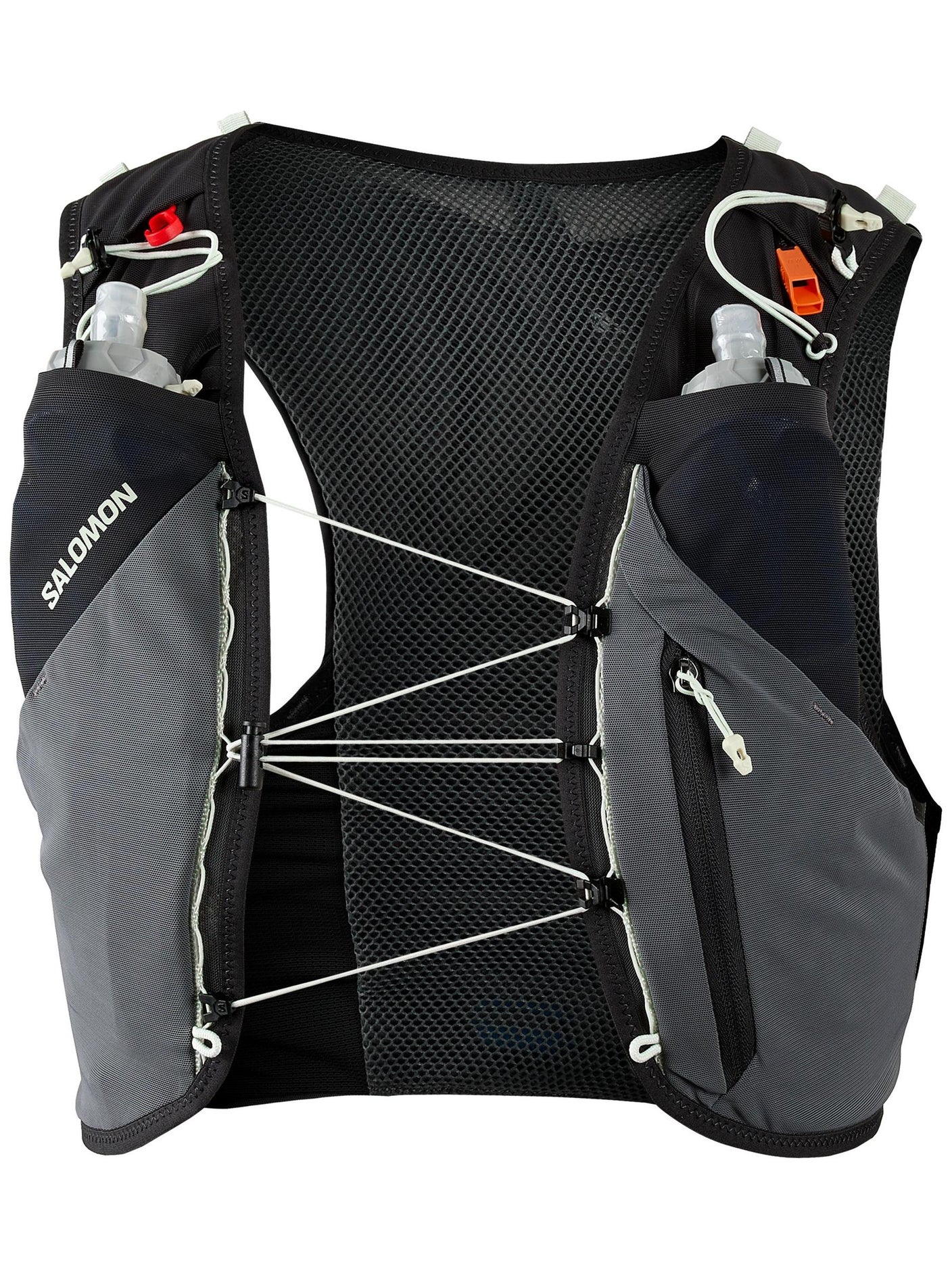
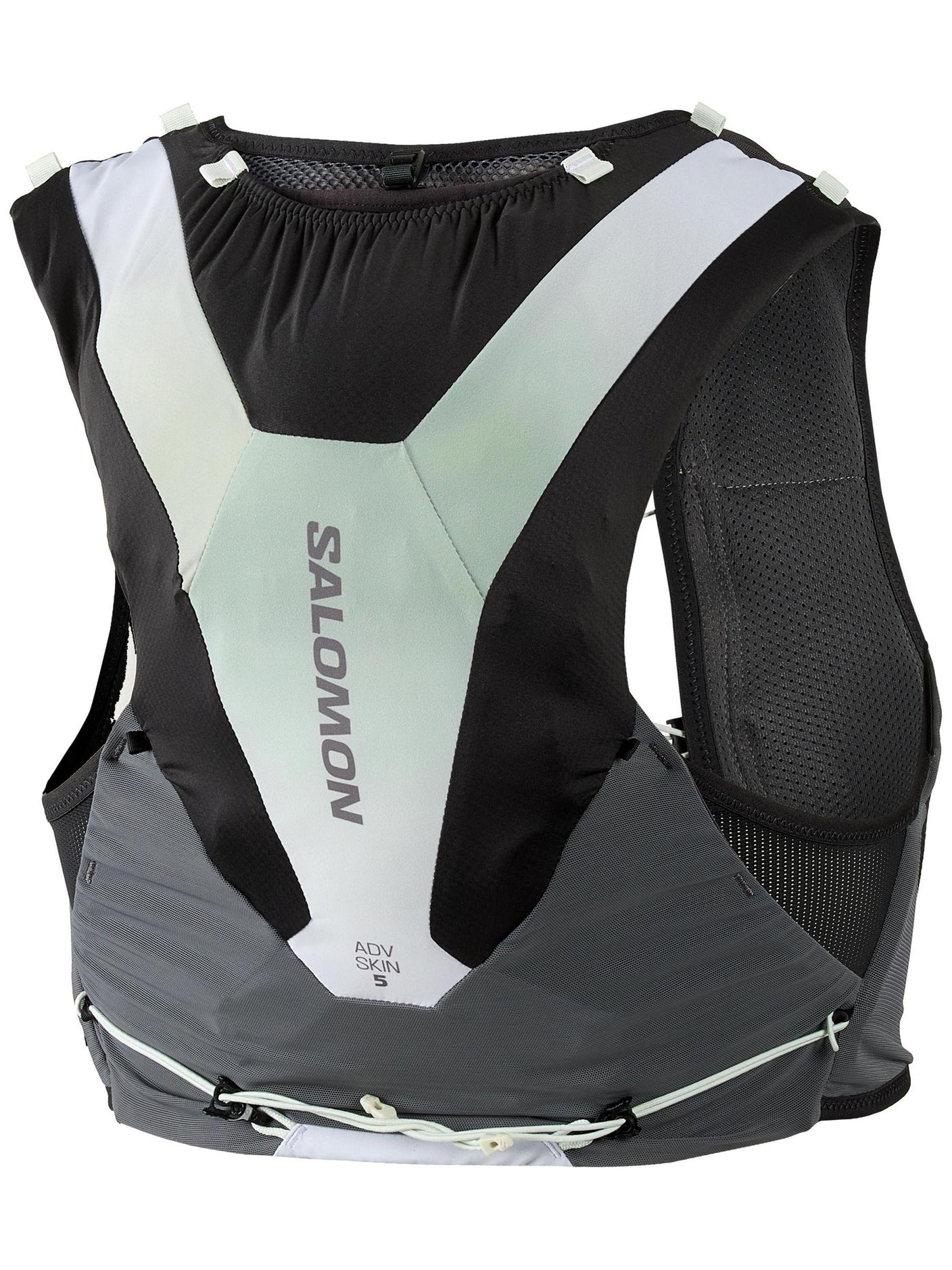
The Salomon ADV Skin Set continues to set the standard for hydration vests thanks to its exceptional balance of storage capacity, comfort, and freedom of movement. With room for up to 34 oz of hydration via included Soft Flasks—and compatibility with an optional 2L reservoir—this vest is built for long efforts.
Salomon’s SensiFIT construction and adjustable sternum strap system create a snug, bounce-free fit that adapts to your body as you move. Multiple front and rear pockets provide easy access to nutrition, layers, and essentials, making this a trusted choice for everything from long trail runs to ultramarathons.
Some of our favorite features are the 5L-12L of convenient storage, the reservoir compatible for extended hydration, and the SensiFIT construction for a custom fit, which are great for long-distance trail running, ultramarathons, and all-day outdoor adventures.
The North Face Summit Run Vest
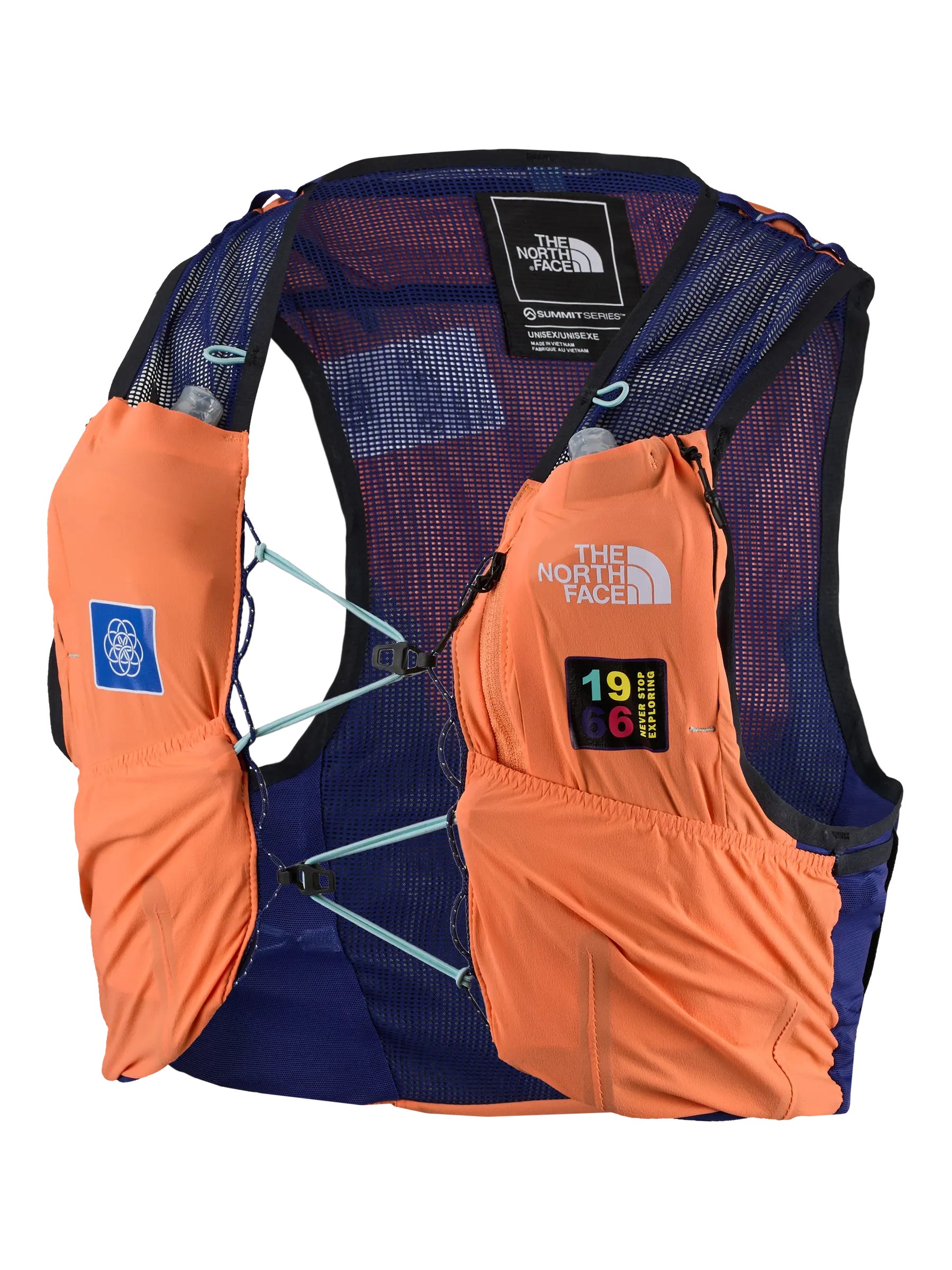
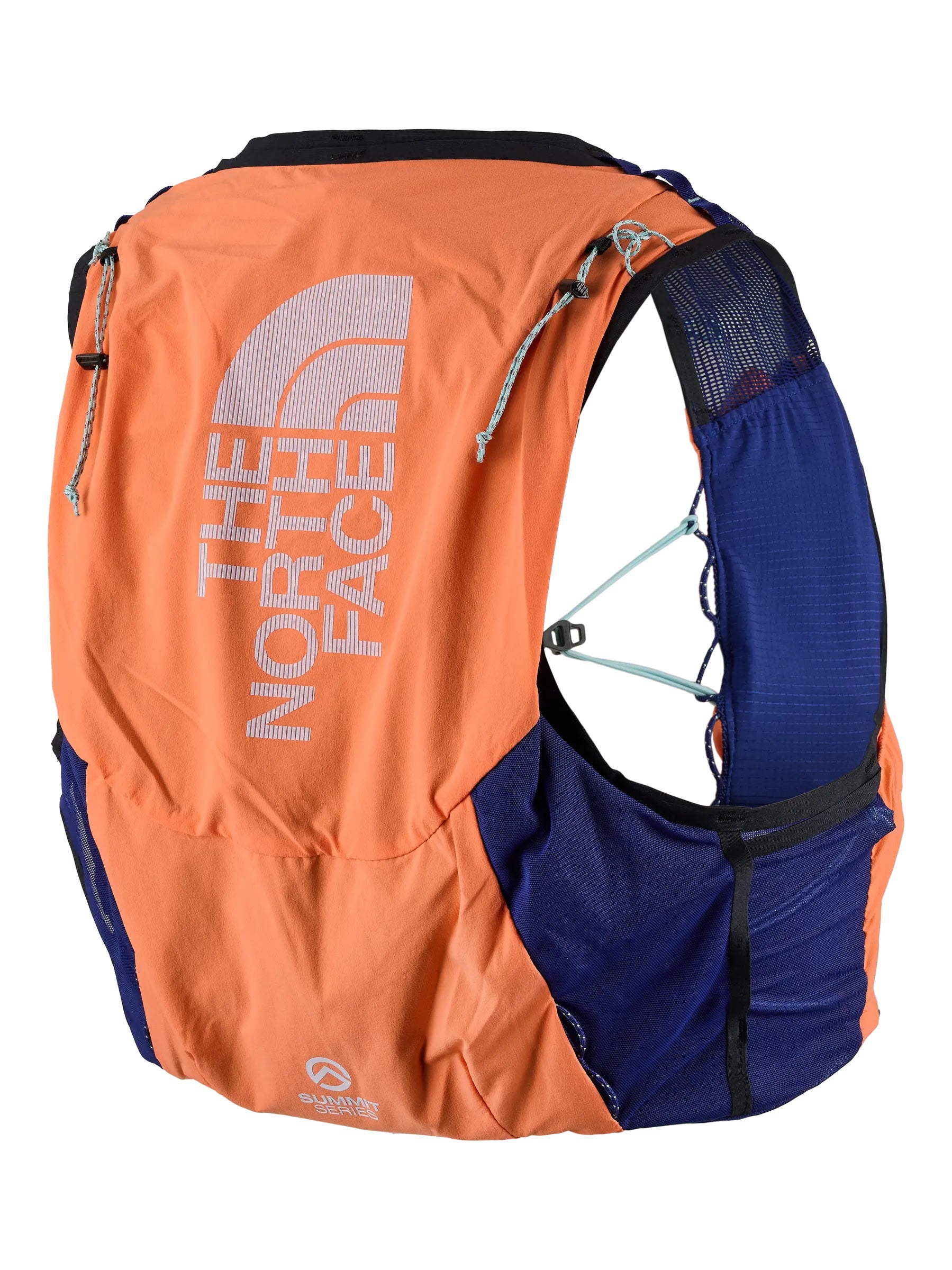
Designed for runners who value speed, breathability, and streamlined storage, The North Face Summit Run Vest excels in high-output efforts. FlashDry™ fabric and air-permeable panels help regulate temperature, while elastic chest pockets securely hold the included 500ml soft flasks with minimal bounce.
A rear drawstring compartment with a weather flap offers organized storage for gear and nutrition, and safety features like reflective logos and a built-in whistle provide peace of mind when heading off the beaten path.
Some of our favorite features are the 5L-10L of storage capacity, the FlashDry™ moisture-wicking fabric, and the highly breathable back panel, which are great for racing and fast-paced training, warm-weather runs, and lightweight, performance-focused runners.
Best Hydration Vest For Women
Women-specific hydration vests are designed to improve comfort, reduce bounce, and better distribute weight by accounting for anatomical differences. These options deliver the same performance and utility as unisex vests, with a more tailored fit.
Nathan Women's Pinnacle Vest
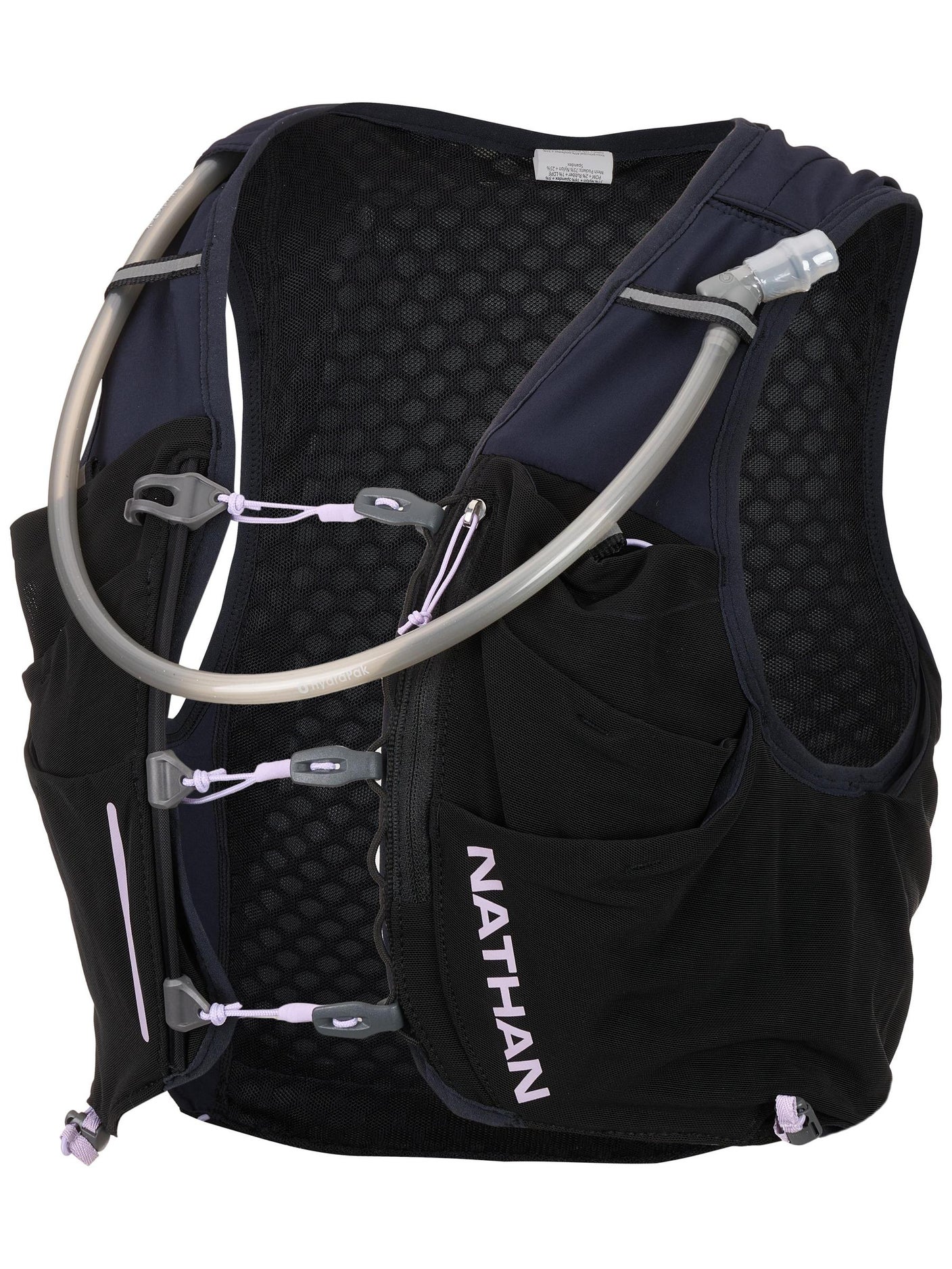
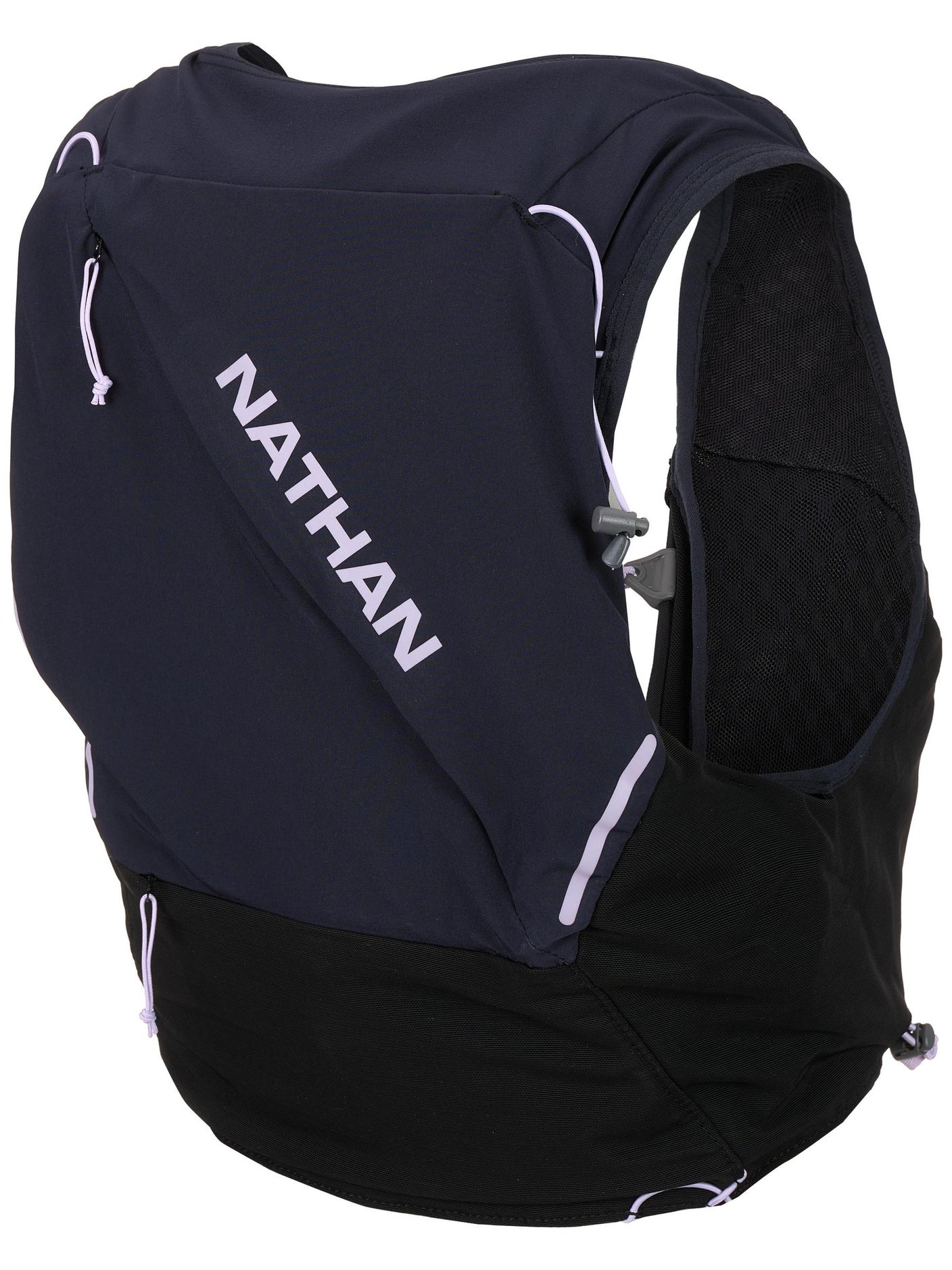
The Nathan Women’s Pinnacle Hydration Vest offers premium comfort and versatility for female runners logging long miles. A contoured shape, elongated back panel, and adjustable sternum straps provide balanced weight distribution and a secure fit.
Available in multiple capacities, the Pinnacle lineup includes Soft Flasks or insulated bladder options depending on size, along with ample front and rear storage for nutrition, electronics, and layers. Breathable mesh construction keeps airflow high, even on warm days.
Some of our favorite features are the 4L, 6L, and 12L storage capacities and the breathable mesh component with a contoured fit, which is best for extended training runs, easy-to-moderate trail running, and hands-free hydration.
When breaking down the differences between the Pinnacle Breeze and the Pinnacle Pro vest, the average minimalist would lean towards the Pinnacle Breeze, where you do not need to carry much but have just what you need, like a water reservoir.
Salomon Women's ADV Skin Set
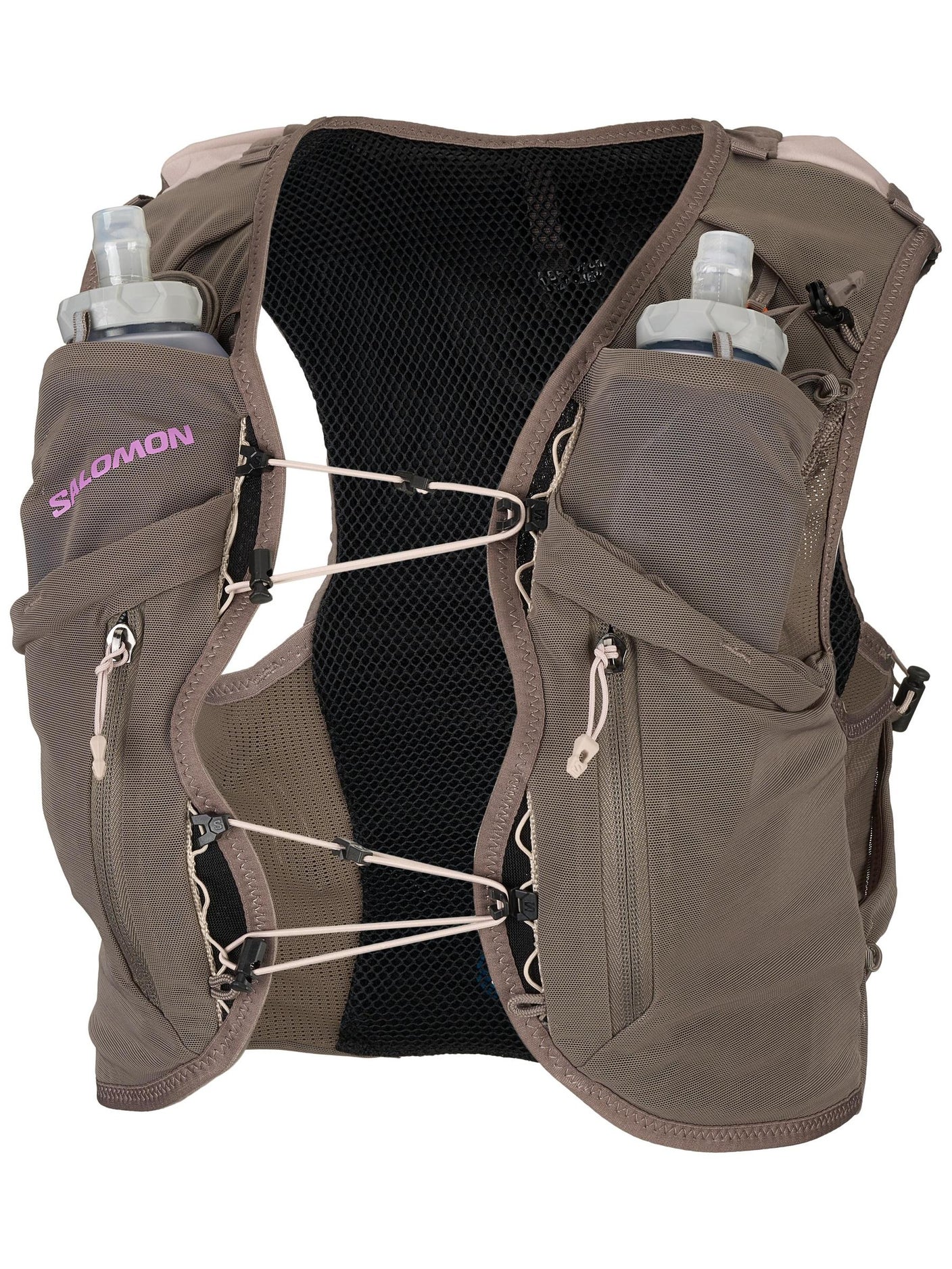
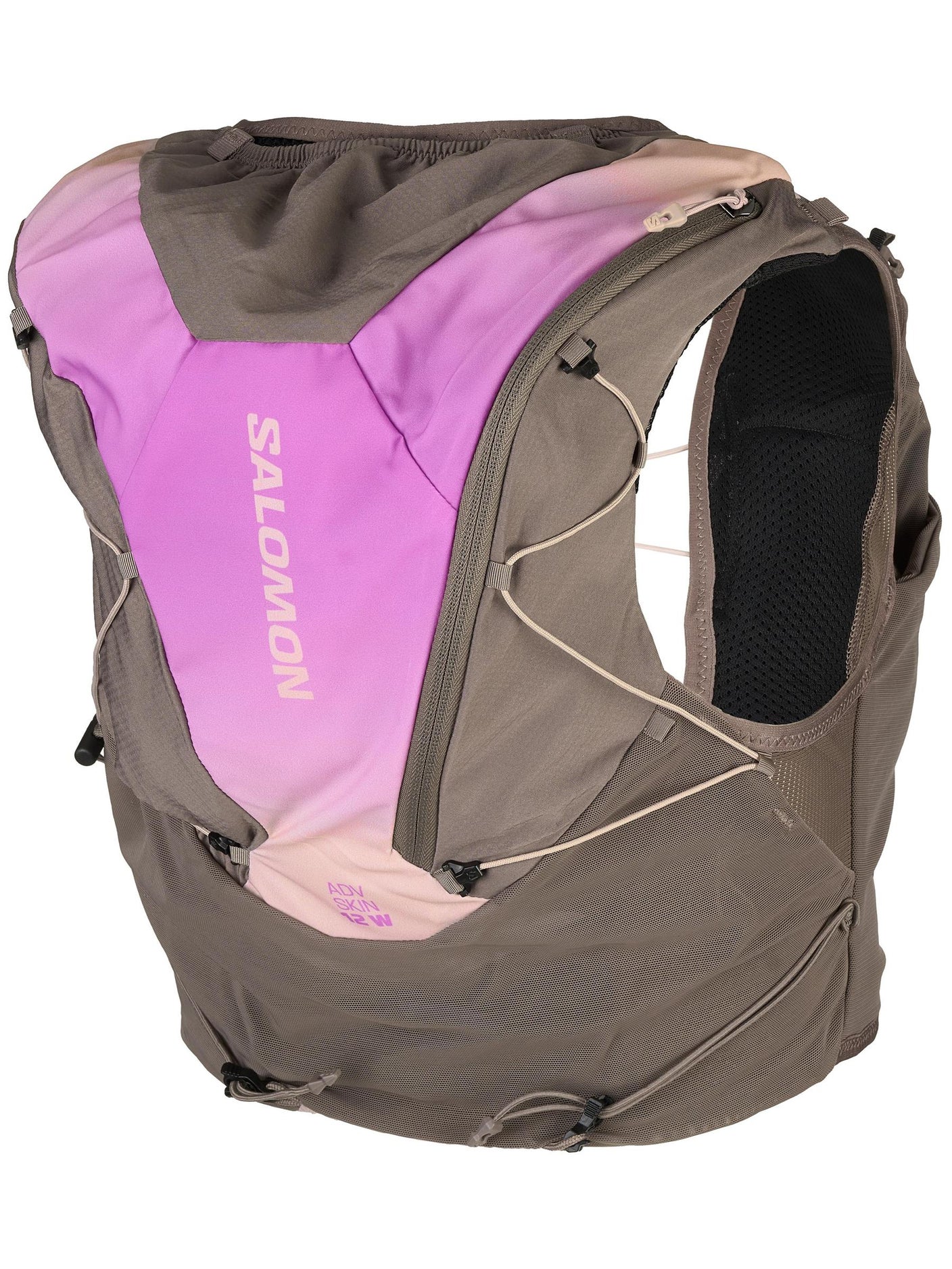
The Salomon Women’s ADV Skin Set delivers the same performance-driven design as the unisex version, with women-specific sizing and fit adjustments. With 12L of storage and included Soft Flasks totaling 34 oz of hydration, this vest is built for long-distance efficiency.
Updated sternum straps and SensiFIT technology ensure stability and comfort, while expandable rear pockets hold everything from extra layers to fuel and valuables.
Some of our favorite features are the 12L of storage, the women-specific fit, and the bounce-free, body-hugging design, which is great for long runs, endurance training, outdoor hiking, and hand-free hydration with secure storage.
Best Running Belt
For runners seeking a minimalist hydration solution, running belts offer lightweight storage without the structure of a vest. They’re ideal for shorter runs or when you only need the essentials.
Naked Running Band V2
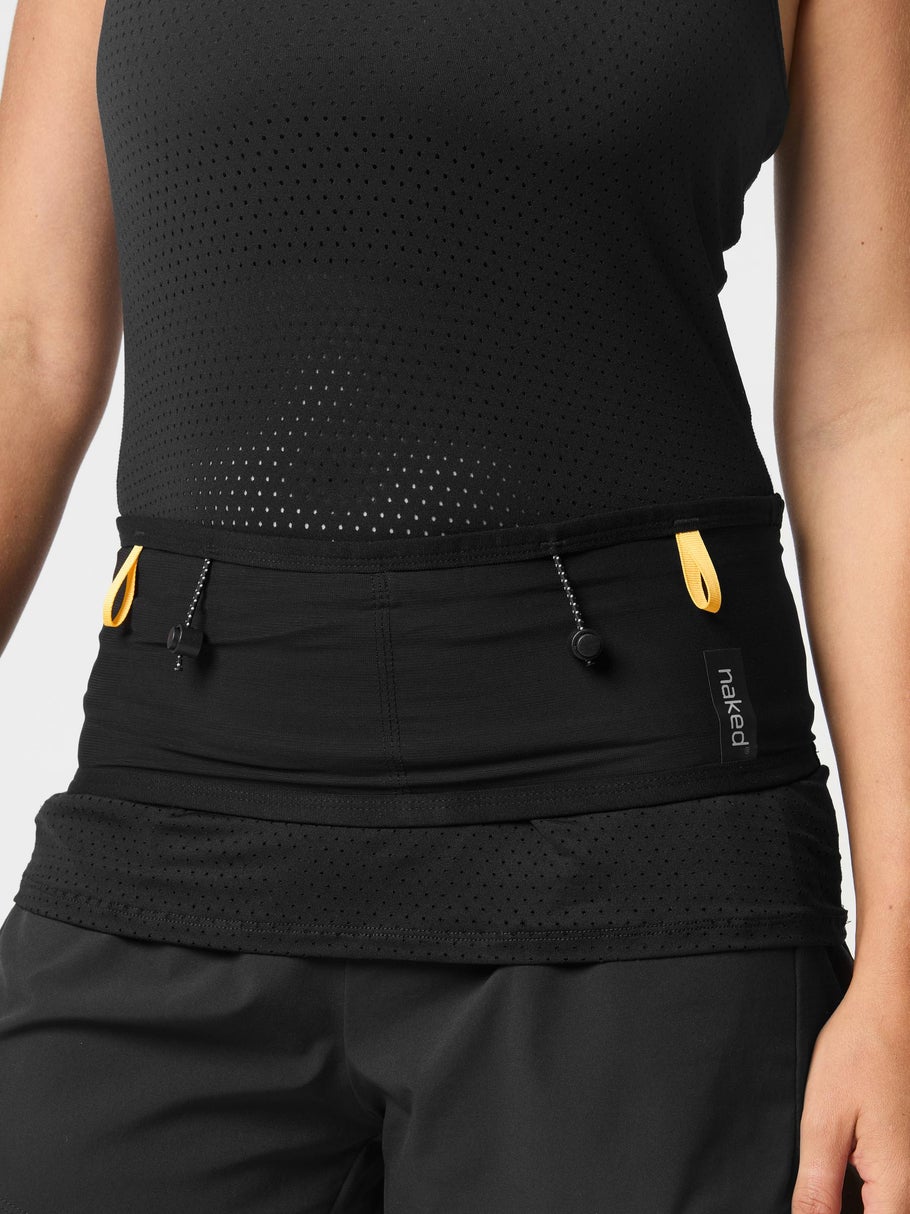
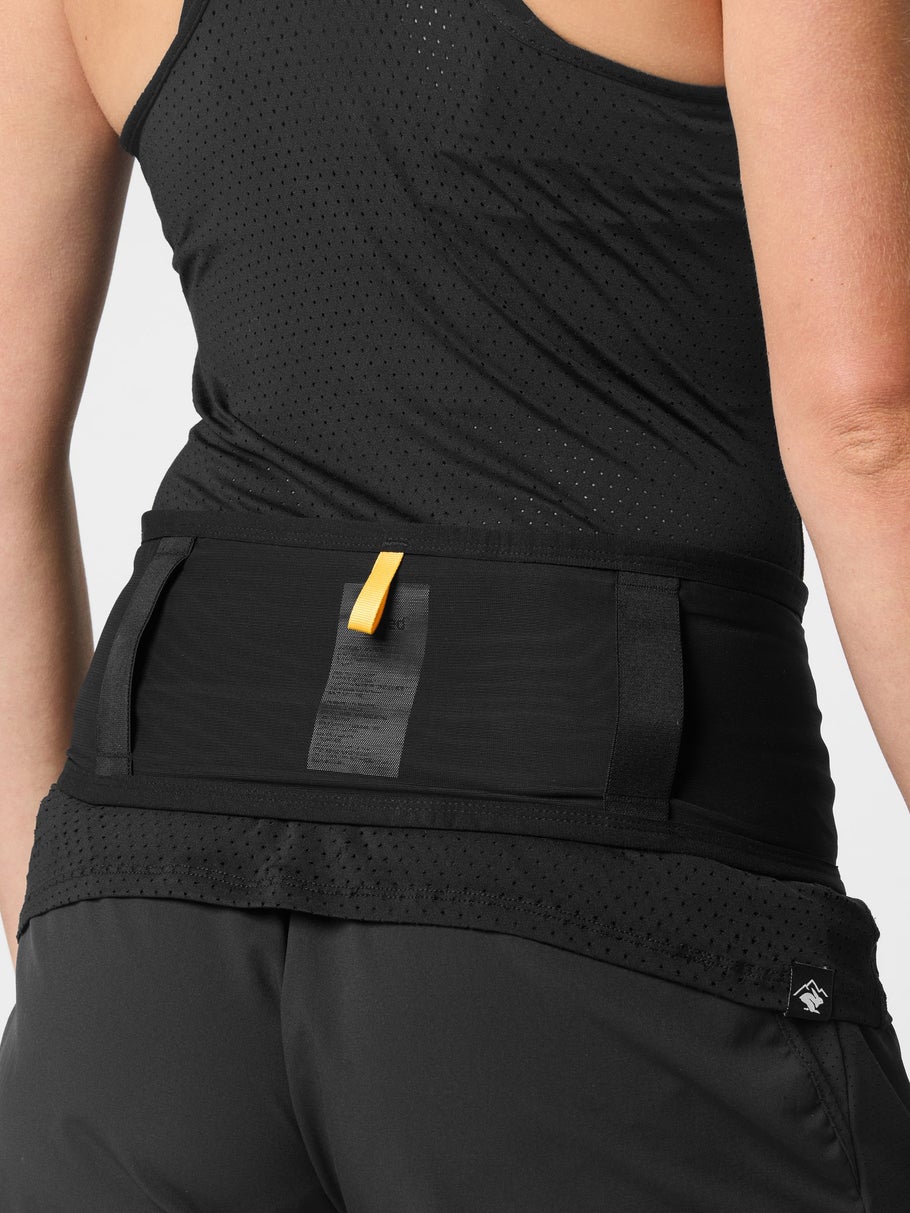
The Naked Running Band V2 is a perennial favorite thanks to its simplicity and performance. Made from durable four-way stretch mesh, this belt stays snug without bouncing—even when fully loaded.
Three large pockets wrap around the waist, easily holding a phone, soft flask, or nutrition. Front bib bungees and rear elastic loops add versatility for race day or light layering.
Some of our favorite features are the four-way power stretch fabric that's breathable and moisture-wicking with a secure, bounce-free fit, which is best for short- to mid-distance runs, daily training, and lightweight, no-fuss storage.
Salomon Pulse Belt
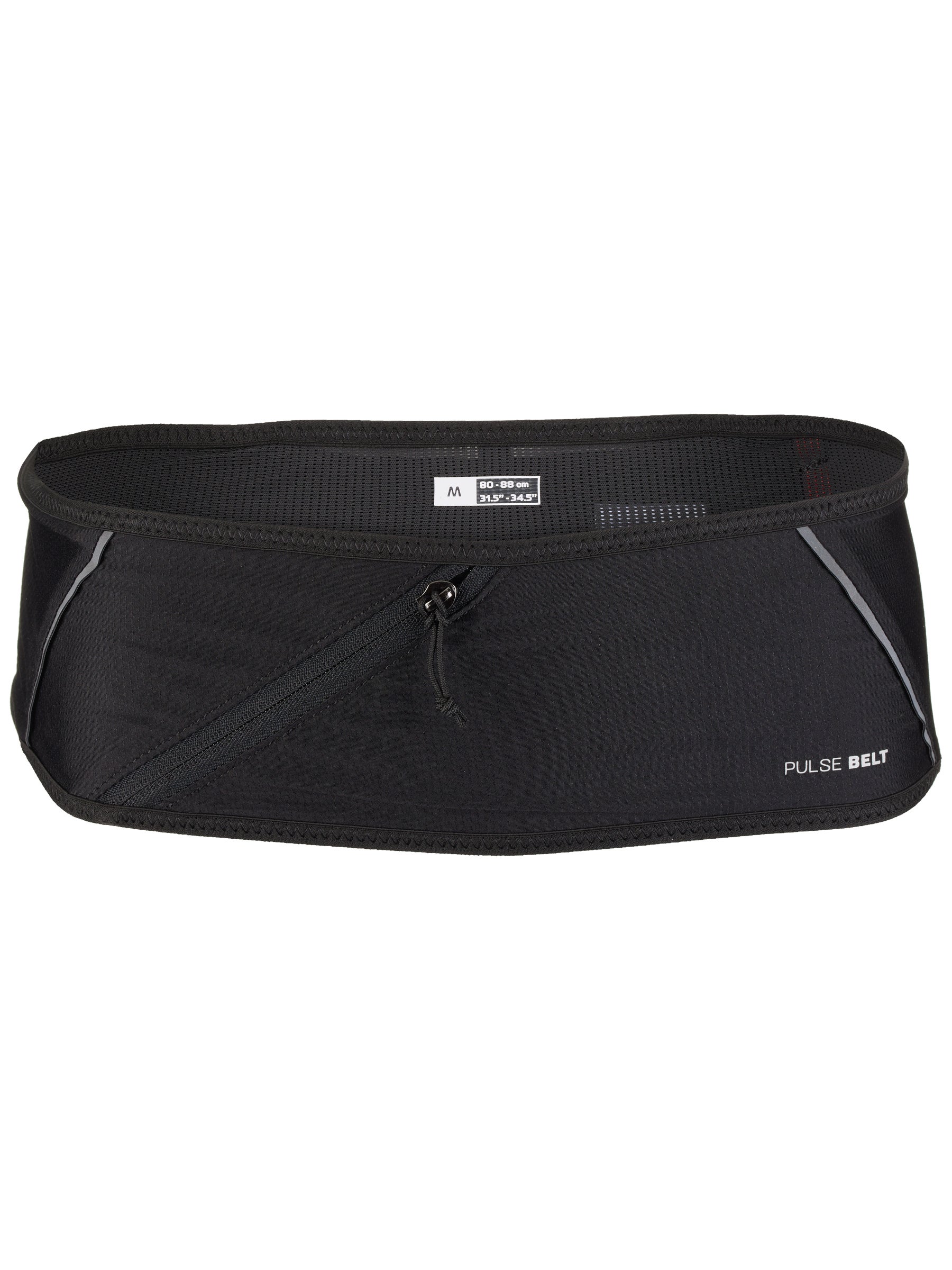
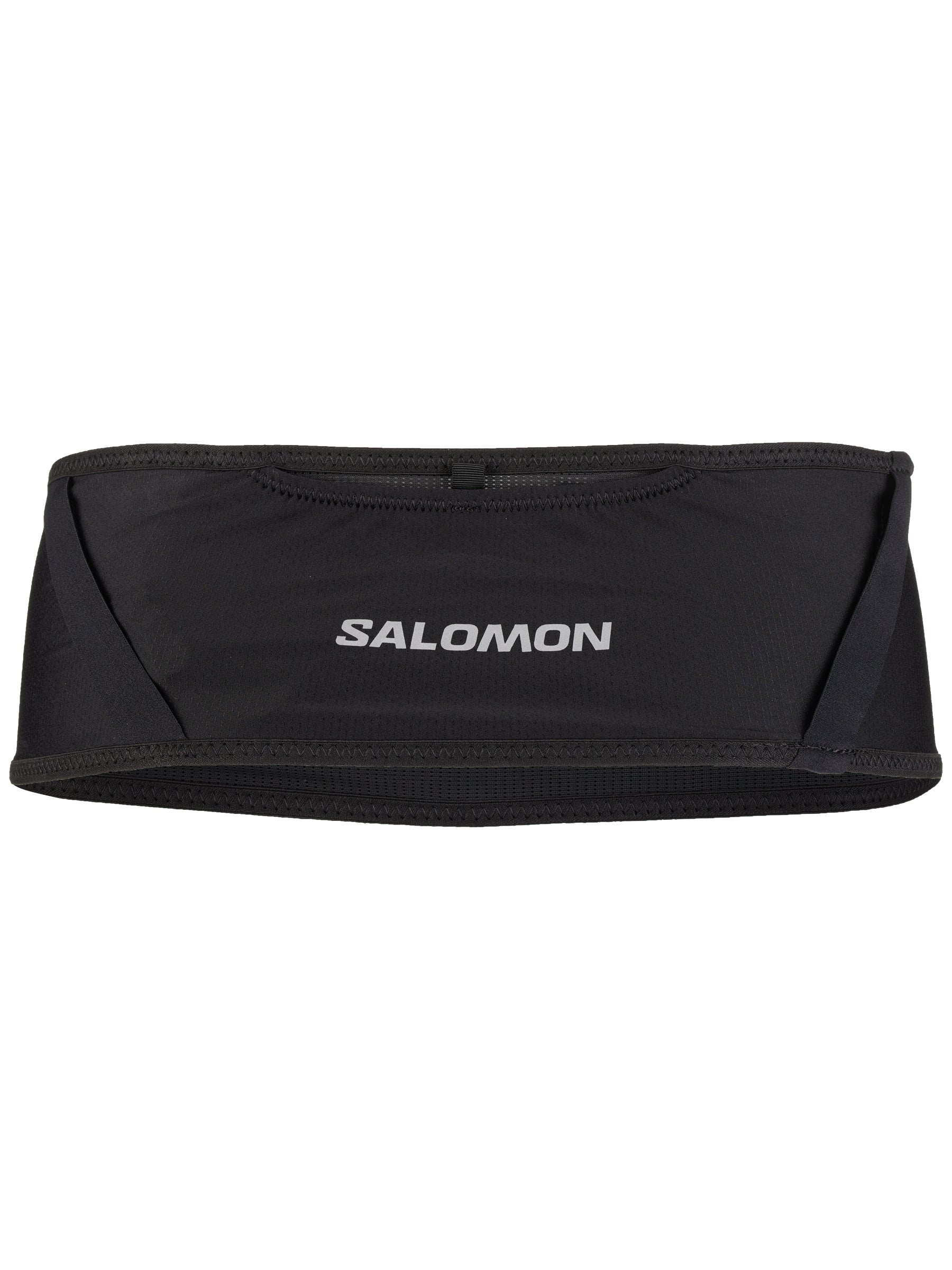
Another go-to choice is the Salomon Pulse Belt, a lightweight option for carrying the essentials without the bulk of a traditional running pack. Designed to wrap comfortably around your waist, with a stretchy elastic that sits close to your body, reducing the chances of bouncing.
Its strategically designed pockets provide enough room for your phone, keys, gels, or a soft flask up to 500ml, making it particularly well suited to shorter runs when you want to keep things light and streamlined. There’s even enough room to stash a lightweight layer, giving you a little extra flexibility when the weather changes.
How We Made Our Picks
Our devoted team has years of running industry experience and technical product knowledge. We have tested and interacted with gear from many brands and have dedicated countless hours to researching the best materials and technology. Each product on our website is evaluated for its key features, such as materials and design functionality.
To keep our information up to date, we update our choices throughout the year based on the latest releases.
Hydration Vest vs. Running Belt: Which Should You Choose?
Choose a hydration vest for a larger capacity for water and storage. Front and rear pockets can fit necessary accessories like gels and snacks for long runs. For a more minimal option, choose a running belt to conveniently store your phone, keys, or a small water bottle without the bulk of a vest.
Hydration Vest
- Run long distances or trails
- Need to carry 1-2 liters of fluid
- Want storage for fuel, layers, and gear
Running Belt
- Run shorter distances
- Prefer minimal weighted bulk
- Only need to carry essentials like a phone or a small bottle
Frequently Asked Questions
Is a hydration vest good for a half marathon or marathon?

A hydration vest can be a great option for a marathon, especially when aid stations are spread out, the weather is hot, or you’d rather carry your own fluids and fuel. For most marathon runners, a low-profile vest with a 5–8L capacity is plenty of room for two soft flasks, a few gels, and other small essentials without feeling bulky.
If you’re running a well-supported road marathon with plenty of aid stations along the route, or you are someone who prefers to have fewer items on you, a running belt may be all you need.
How should hydration vests and running belts fit?

Fit is more than just a matter of comfort; ensuring you have a properly fitting belt or vest reduces the chance of skin irritation caused by rubbing, which can make or break your experience.
A running belt should fit snugly around the waist, while a hydration pack should have a vest-like fit and sit securely in place to avoid chafing and bouncing. This prevents friction and rubbing against your skin. The pack should move with you, allowing free arm movement and accommodating deep breaths.
Similar to clothing, wearable hydration can come in different sizes to provide a more precise fit. Some items offer universal sizing that is adjustable for many body types, while others have size-specific options. For vests, this may also include packs designed with gender-specific anatomical differences in mind.
What hydration vest is best for trail running?
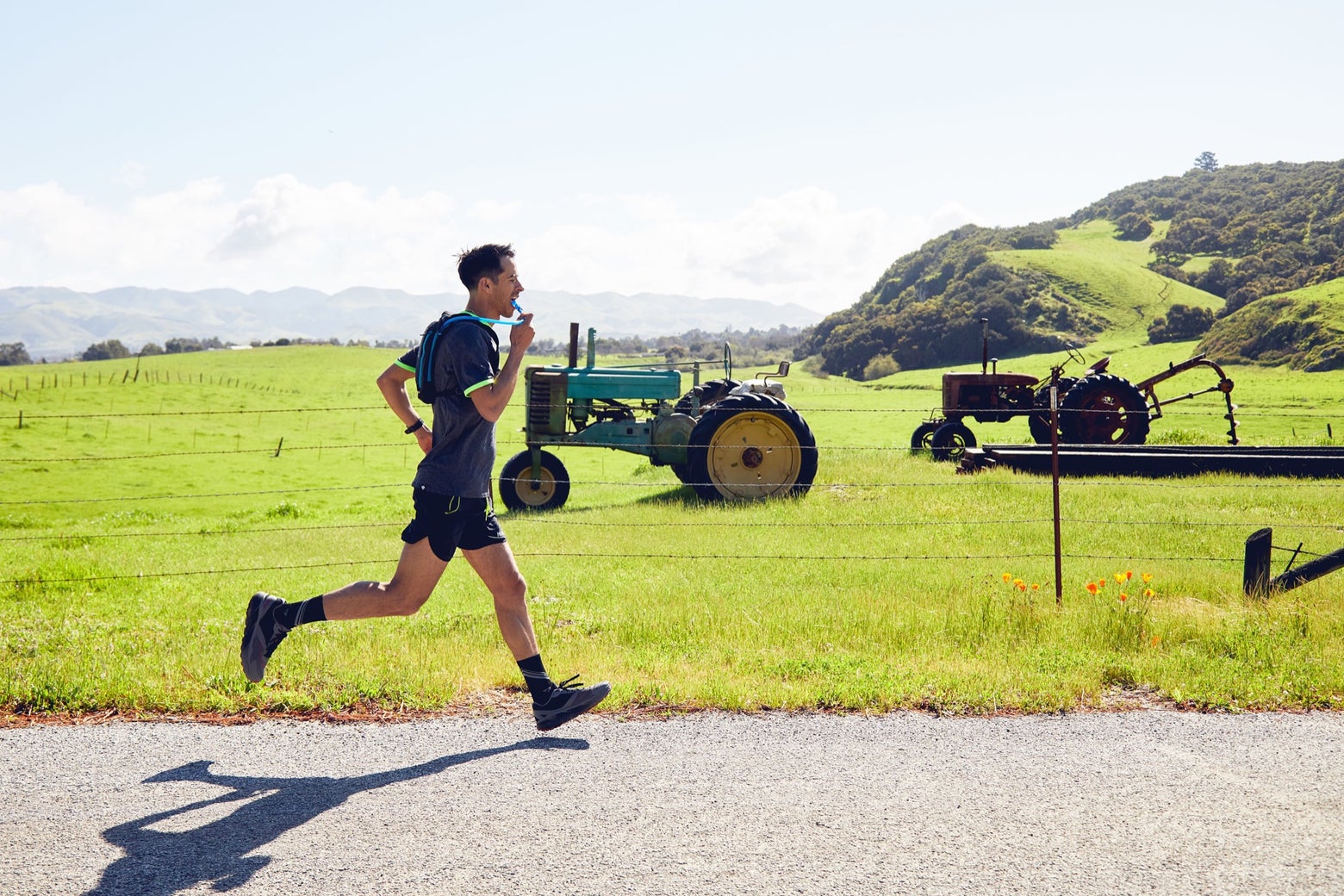
For trail running, look for a lightweight hydration vest that fits close to your body and stays in place while you run. A 2-5L vest is a good choice for shorter runs, while a 5-12L vest gives you more space for longer and more intense runs.
Key things to look for are front soft flasks, which make it easy to grab a drink, and multiple pockets to give you room for gels, your phone, a jacket, and other essentials you think you'll need on the trail.
What is fluid capacity?

Fluid capacity is the amount of water or hydration beverage a pack can hold. Vests can typically carry 20 ounces to 2 liters, either with water bottles or a bladder. Additional flasks, bottles, or reservoirs that can be purchased separately.
Distance, intensity, weather, and refill access all influence your hydration needs. On shorter runs, belts and handheld bottles are convenient for carrying around 20 ounces. For longer runs, it's crucial to carry 1 to 2 liters of water to sustain yourself between refills.
For fluid storage containers, there are multiple different types that you can use:
- Reservoirs, or hydration bladders, have a high fluid capacity that ranges from 1.5 to 3 liters. These flexible, bag-like containers feature a hose and bite valve system for effortless sipping while on the move.
- Soft flasks are more compact to fit conveniently within pockets or compartments. They are a lightweight option that often comes with bite valves or small spouts.
- Bottles are a versatile choice that can carry water or electrolyte drinks. While they can require brief slowing down to drink, they are more familiar and easier to clean.
How much storage should a hydration vest have?

Depending on the type of run, having the right storage capacity can significantly enhance your experience. It's also important to consider the types of pockets you prefer. You may need a chest pocket for holding a phone, or you might prefer zipper closures or drawstrings.
- For shorter or regular training runs, a running belt or a pack with 4-6L of storage will do the trick. This lets you focus mainly on hydration and a few essentials, such as a phone or keys.
- For marathon racing, those looking for speed will often opt for a smaller capacity vest to keep themselves light and fast. Depending on storage needs, you can even pair a vest with a running belt for weight distribution and accessibility preferences.
- For longer runs, especially in remote areas, a 12L pack will store extra water, fuel, and gear. Ultramarathons or endurance events require ample storage for your needs. This typically includes extra clothing layers, sustainable hydration, and nutrition.
For more information about your storage needs for a race, we recommend checking your race’s website for information on climate, refill aid station accessibility, and any mandatory gear.
How to Care for Your Hydration Gear

Most runners will not need to wash their hydration vest or running belt after every run. However, any post-workout dampness should fully air dry before being put away. We recommend hand-washing your pack or belt, then air-drying to maintain shape and elasticity. Some items can be machine-washed on a gentle cycle, depending on the manufacturer's care instructions. Any bottles or reservoirs that hold fluid should be cleaned regularly.
Find the Best Hydration Gear to Keep You Going Strong

Whether on the road or the trails, the easiest way to keep essential fluids and accessories with you is to have wearable gear to carry them. Not only that, staying hydrated will keep you safe, healthy, and enhance your overall performance and enjoyment. Whether you’re using a hydration vest or a running belt, wearable hydration allows you to stay fueled and focused without breaking stride. The best hydration gear is the one that fits your run, your body, and your goals.