How to Clean a Hydration Pack Bladder
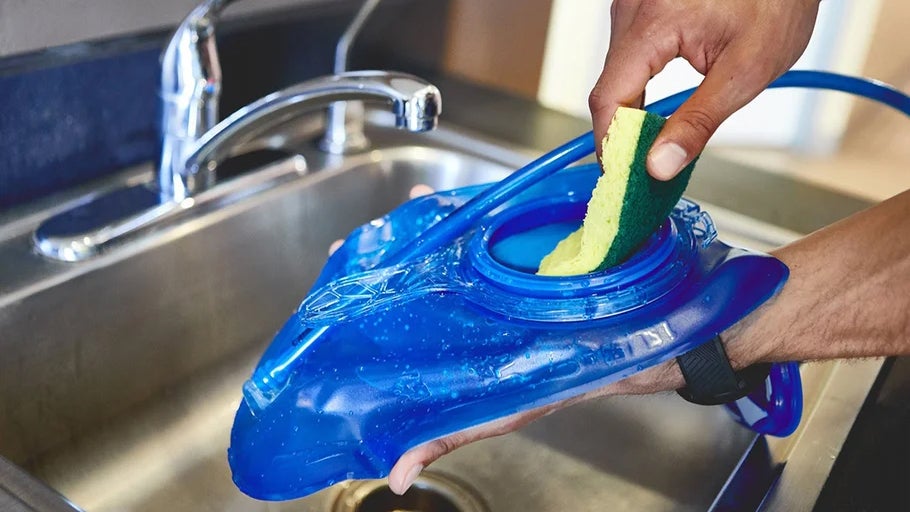
Is your hydration bladder developing an unpleasant smell or taste? Keeping your reservoir clean will extend its lifespan and prevent mold or mildew growth. Even though it may seem like a pain, with a bit of know-how, keeping your hydration bladder clean and sanitized can be a breeze. At Running Warehouse, we've put together our top tips and hacks for hard-to-clean reservoirs so you can make yours last!
Why Cleaning a Hydration Bladder is Important
- Health and Hygiene: Stagnant water and residual sugars from energy drink mixes can create a breeding ground for bacteria, potentially leading to gastrointestinal issues. Cleaning the bladder removes these contaminants, ensuring your drinking water remains safe and hygienic.
- Taste and Odor: Over time, a neglected hydration bladder can develop unpleasant tastes and odors that affect your drinking experience. Proper cleaning helps maintain the fresh, clean taste of water, encouraging you to stay hydrated.
- Mold and Mildew Prevention: Mold and mildew thrive in damp environments; if not properly cleaned and dried, your hydration bladder can become a prime location for their growth. These contaminants not only affect the taste but can also pose health risks.
- Longevity: Regular maintenance can extend the lifespan of your hydration bladder. Well-maintained bladders are less likely to develop leaks or suffer from wear and tear, ensuring you get the most out of your investment.
Cleaning the Hydration Bladder/Reservoir
Step 1: Gather Your Cleaning Supplies
Before you begin, make sure you have all the necessary cleaning tools on hand. A cleaning kit designed for hydration bladders can be extremely helpful. Gather the following:
- Mild soap or specialized cleaning solution for hydration packs
- Cleaning brush
- Hot water
- Baking soda (for deep cleaning)
- Lemon juice or vinegar (for odor removal)
- Towel or drying rack
Step 2: Empty and Dissassemble
Empty and disassemble the hydration bladder by carefully removing the reservoir from its pouch or pack. Then, separate the hose and bite valve from the reservoir for a more thorough cleaning process, ensuring all components are properly cleaned.
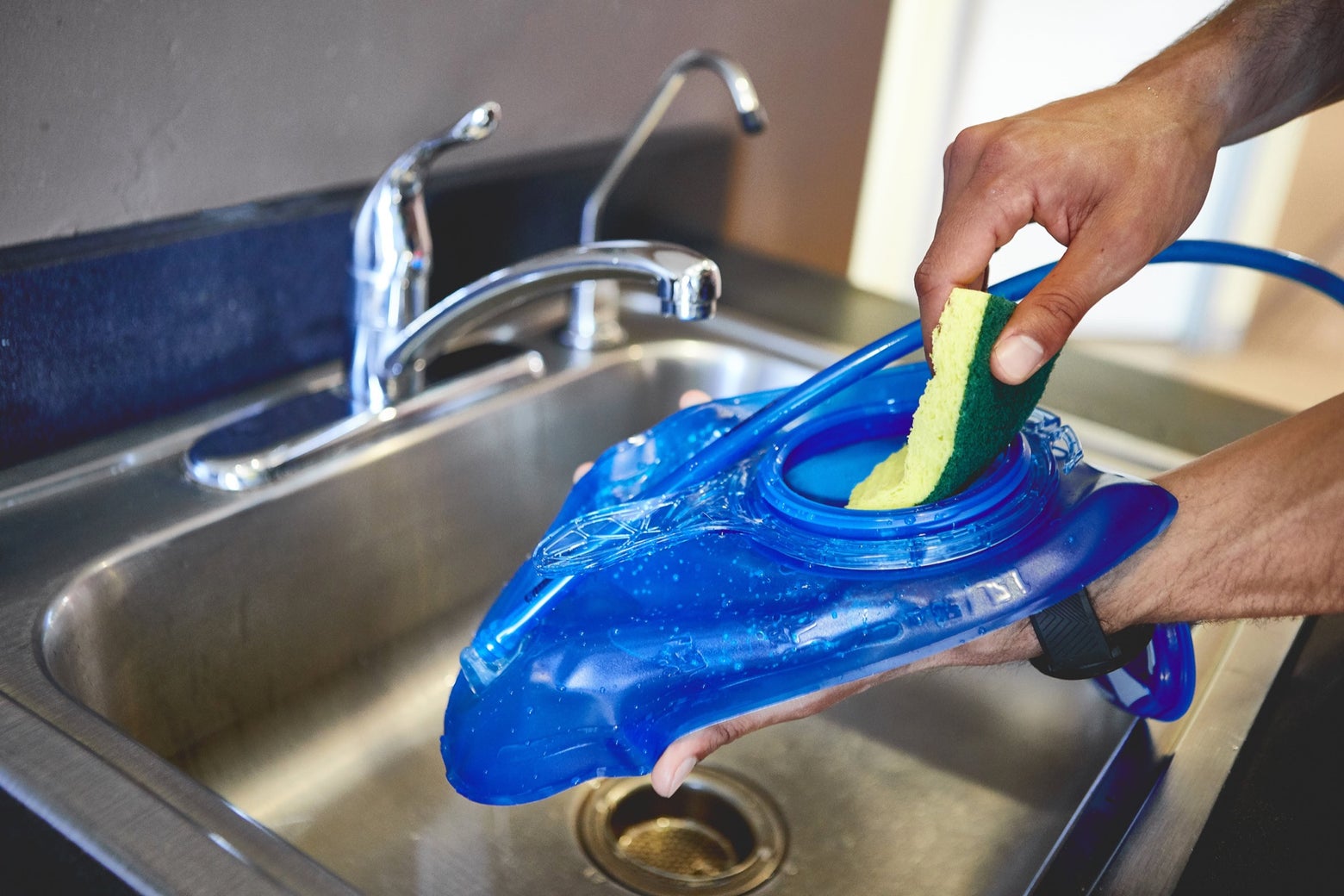
Step 3: Clean the Reservoir