What Is The Difference Between Running Shoe Foams?
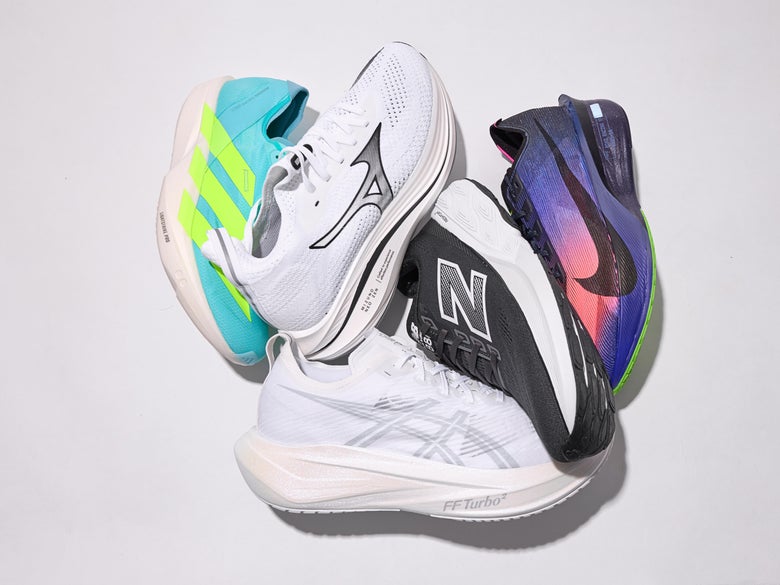
For most of us, understanding the evolution and current landscape of running shoe midsole foams is daunting.
What started with Bowerman’s rubber midsoles quickly evolved into the Brooks Villanova and mass market EVA foams. Then those foams got refined and evolved with new processes, compounds, and more, until the scientifically fueled arms race developed that we find ourselves in the middle of today. Between EVA and TPE and TPEE and ATPU and PEBA foams, it’s all...a lot.
But never fear. With more than 20 years’ experience in the industry, we here at Running Warehouse are ready to walk you through the basics. Whether you’re shopping for something specific or just trying to learn more about what the difference is between the various running shoe foams, we’re here to lend our expertise to your search.
What are the Basics of Running Shoe Midsoles?
When trying to understand the properties of different running shoe foams, the first thing we need to establish is how running midsoles are made.
The best explanation we’ve heard is to imagine the midsole foam creation processes like baking a cake (Mmmm, cake).
In this metaphor, every brand will have their own chemical compound “batters,” along with their own ovens for baking (and expanding and compressing and molding) those batters within.
Most running shoe foams are named based on the batters used. EVA, POE, TPE, TPU, and PEBA all stem from different combinations of ingredients.
In this article, we will speak broadly about the major types of foams seen in today’s midsoles, to give you reference points to understand what each brand is working on, and why. But it’s important to recognize that how brands bake and sculpt these batters all differ. As such, each brands’ creations can have significant variations in the specs and characteristics of foams they create, even when working with common ingredients and types of foam.
What Are EVA (Ethylene-Vinyl Acetate) Foams?
EVA At A Glance:
- The majority of running shoes use this foam
- EVA's are consistent and durable
- Tend to be heavier and are greatly affected by weather
- Lose their cushioning properties in the cold pretty dramatically
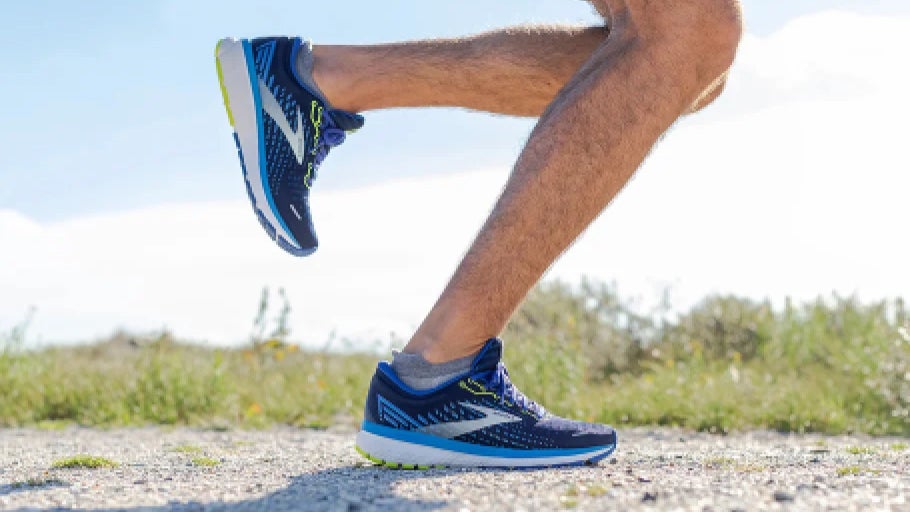
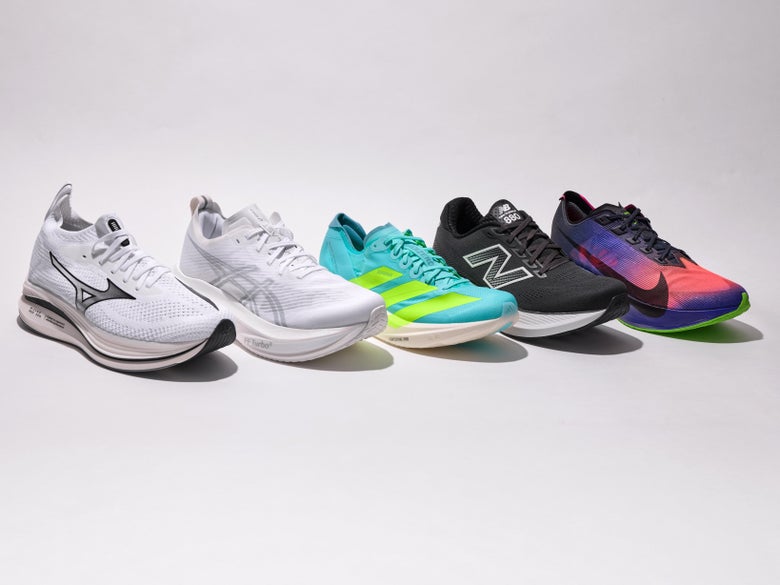
- Found in: Brooks Ghost, NB Fresh Foam 880, HOKA Speedgoat
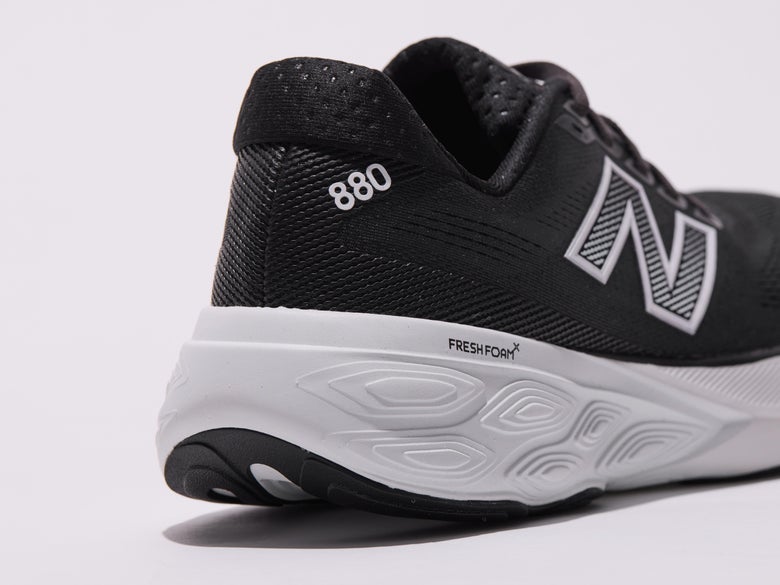
EVAs are the most tried, true, and consistent materials used for crafting midsole foams. You will frequently see Compression Molded EVAs used in Daily Training shoes and in Trail Shoes, where long-lasting, high mileage, durable features are key. They are created by heating EVA materials until they are pliable, placing those heated materials in a mold, and then applying high pressure and more heat until the foam takes the shape of the mold.
Standard EVA foams are a favorite for brands because they are cheap to produce, and thus cheap for consumers, and they have proven themselves to be some of the longest-lasting foams available. They’re a bit heavier than other modern foams, but for most runners—who are seeking something reliable, comfortable, and affordable—an EVA foam is a familiar tool that does the trick.
What Are TPE (Thermoplastic Elastomer) Foams?
Thermoplastic Elastomer foams, or TPE for short, are a broad family of foams that includes TPA, TPU, TPEE, and PEBA foams.
These TPE foams can be especially malleable and adjustable when composed of alternating hard and soft polymers, with the pattern allowing the foam to take on the best characteristics of both types of blocks simultaneously. They are easily molded, remolded, and recycled between uses.
But to get any more specific, we’ll need to drill down into the different TPE subcategories.
What are TPU (Thermoplastic Polyurethane) Foams?
TPU At A Glance:
- Introduced via the adidas Boost
- Soft and durable with great energy return
- Initially pretty heavy, but getting lighter
- Found in: Mizuno Neo Zen, adidas Ultraboost, Saucony Ride
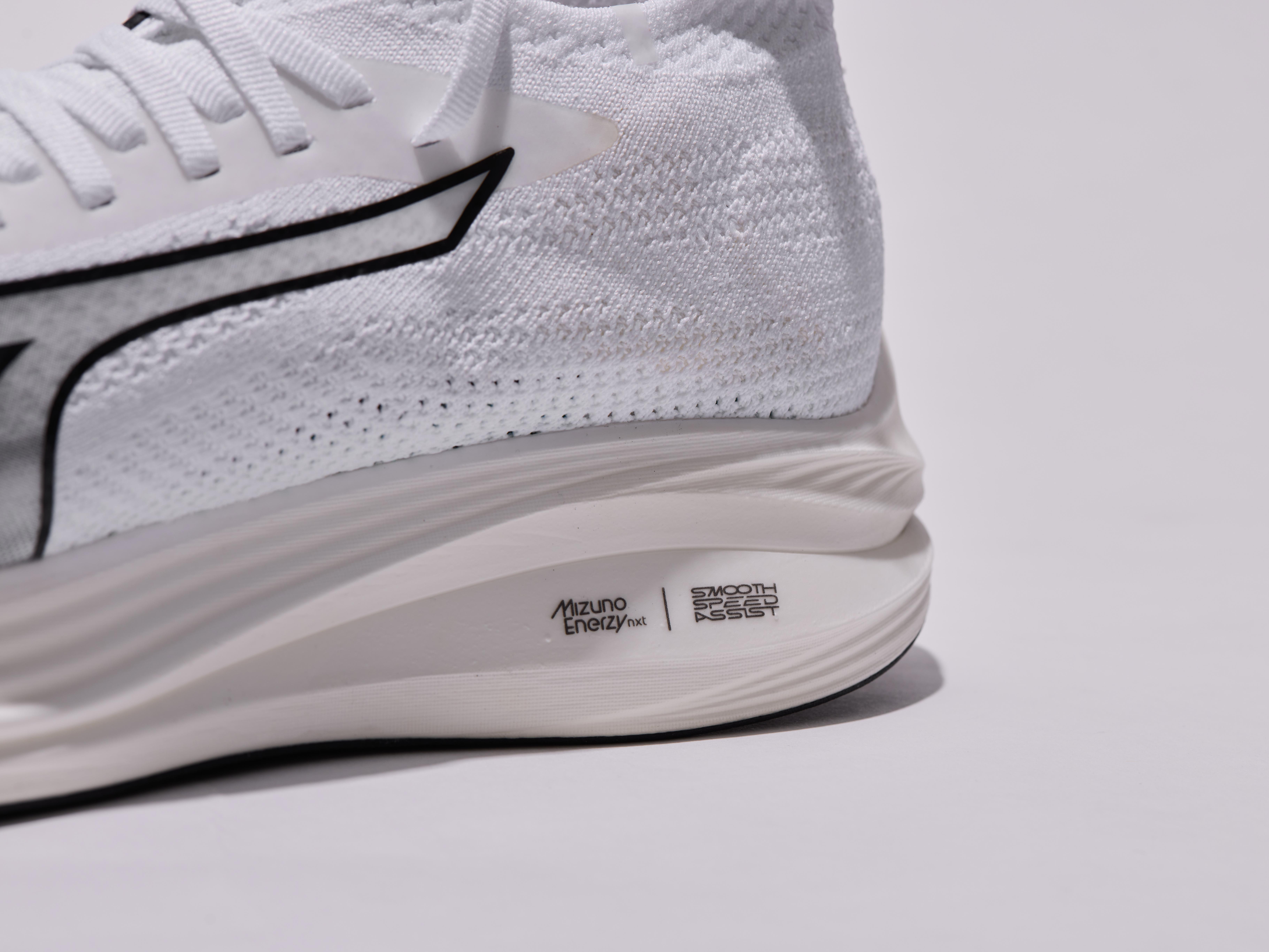
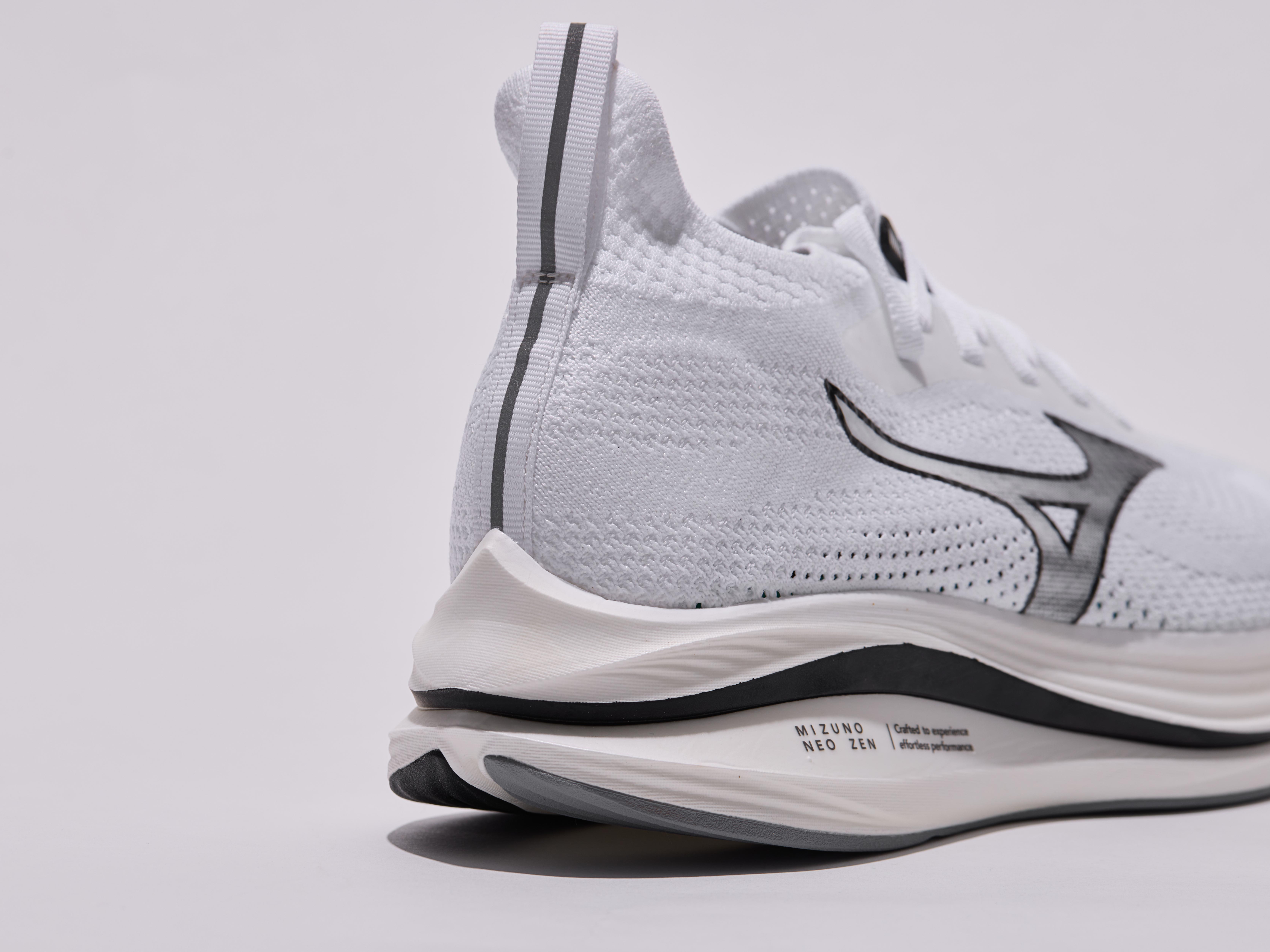
Our first TPE subcategory is Thermoplastic Polyeurothane foam, or TPU foam. These foams were first made famous via the adidas Boost series and are soft with great energy return. They rapidly proved themselves to be durable, but initial offerings were relatively heavy, as far as modern shoe foams go.
As the years have passed, we’ve seen these foams getting more and more refined, staying relevant by decreasing weight while still maintaining their durability. Modern daily trainers and performance trainers, like the Neo Zen, the adidas Ultraboost, and the Saucony Ride utilize TPU foams to great effect. And there’s a new TPU innovation hitting the market now too, labelled A-TPU, that’s ready to launch these foams forward competitively. But we’ll hold off talking about that for a moment. First...PEBA!
What are PEBA (Polyether Block Amide) Foams?
PEBA At A Glance:
- Introduced by Nike with the Vaporfly 4%’s
- Way lighter and bouncier than EVA or standard TPUs
- Early versions could be “squirrely.” Needed plates for stability
- Low density, high elasticity
- Found in: Nike Vaporfly, New Balance Supercomp Elite
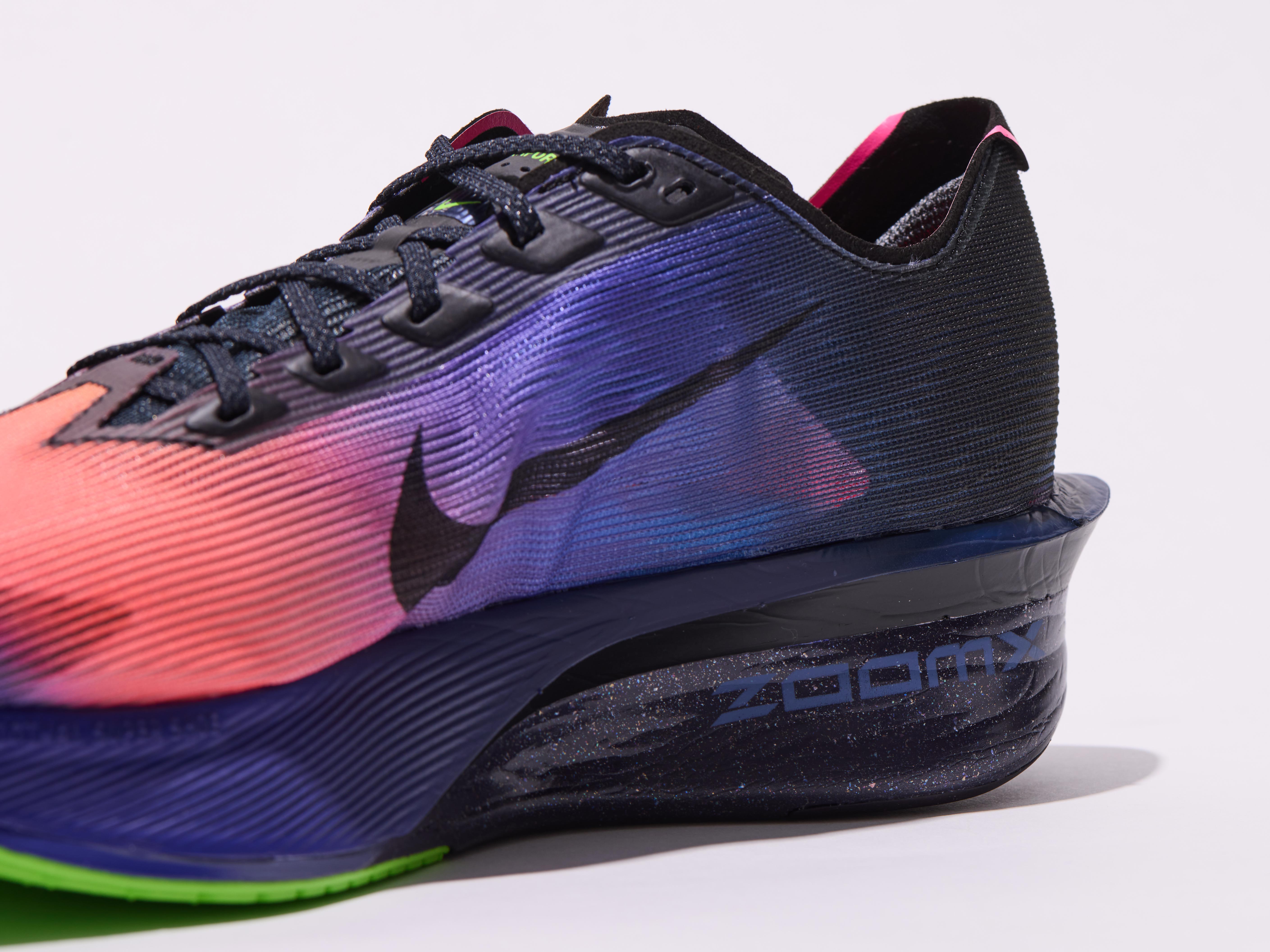
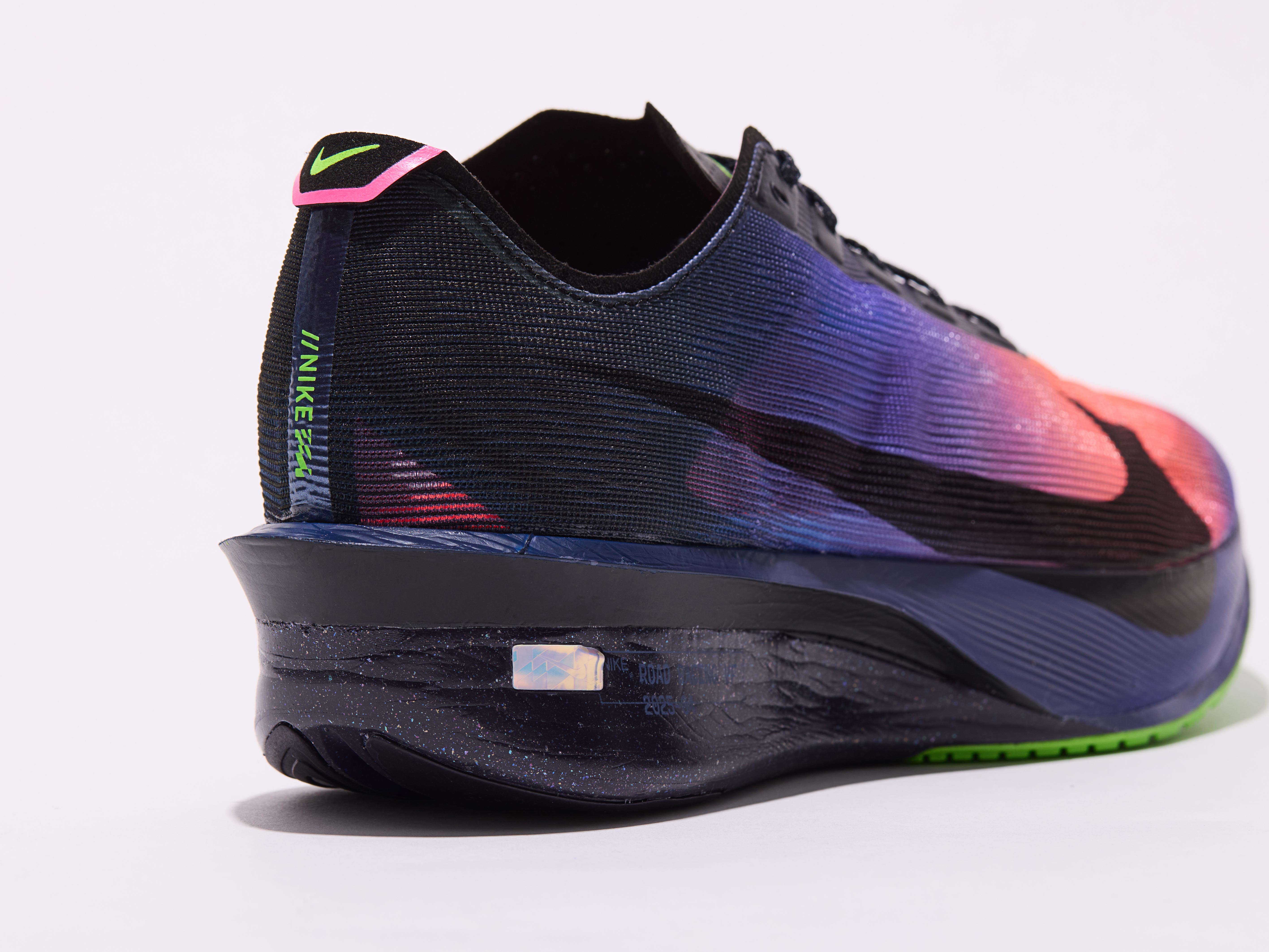
PEBA foams were THE first big “superfoam” to hit the market. Debuting with the Vaporfly 4% in 2016, most racing fans will remember the revolution of those shoes hitting the market and marathon times plummeting. “Elite” super shoes distinguishing themselves. The anticipation of those elite shoes becoming publicly available.
While some of this magic lay in the combination of the shoe’s plate and its foams working together, the new ceiling established for super shoes and their foam compounds was undeniable. With adjustable foaming ratios and pore distributions that are able to optimize the formula to be soft, very light, and incredibly responsive, PEBA foams unlocked a wide range of possibilities for shoe makers. PEBA rapidly became the secret sauce for tip-of-the-spear racing shoes.
What are ATPU (Aliphatic TPU) Foams?
At A Glance
- PUMA Fast-R Nitro Elite 3 showed off ATPU as a pinnacle racing option
- Absorbs energy AND rebounds to give that energy back
- Found in: PUMA Fast-R 3, ASICS METASPEED Edge, Sky, Ray
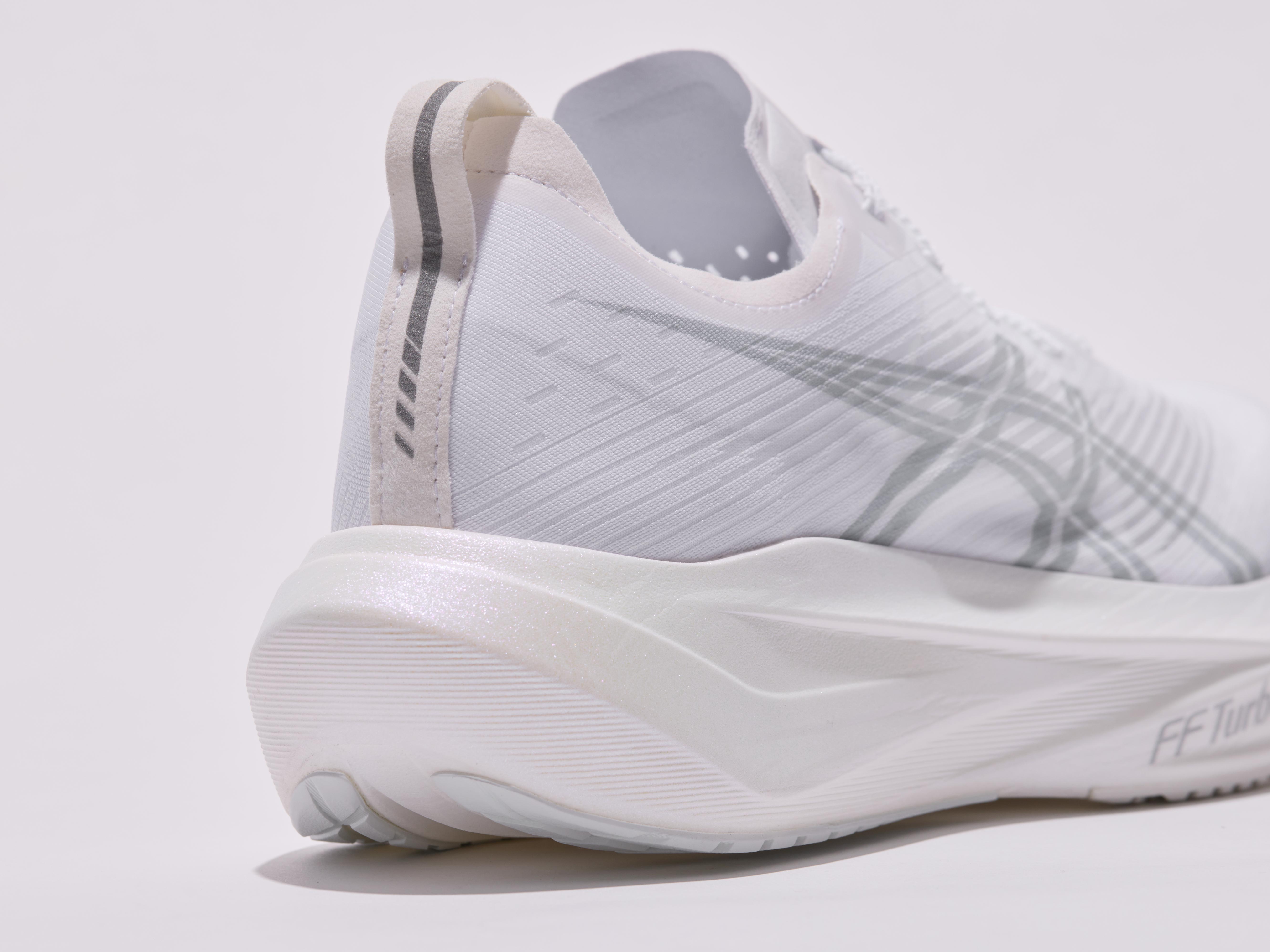
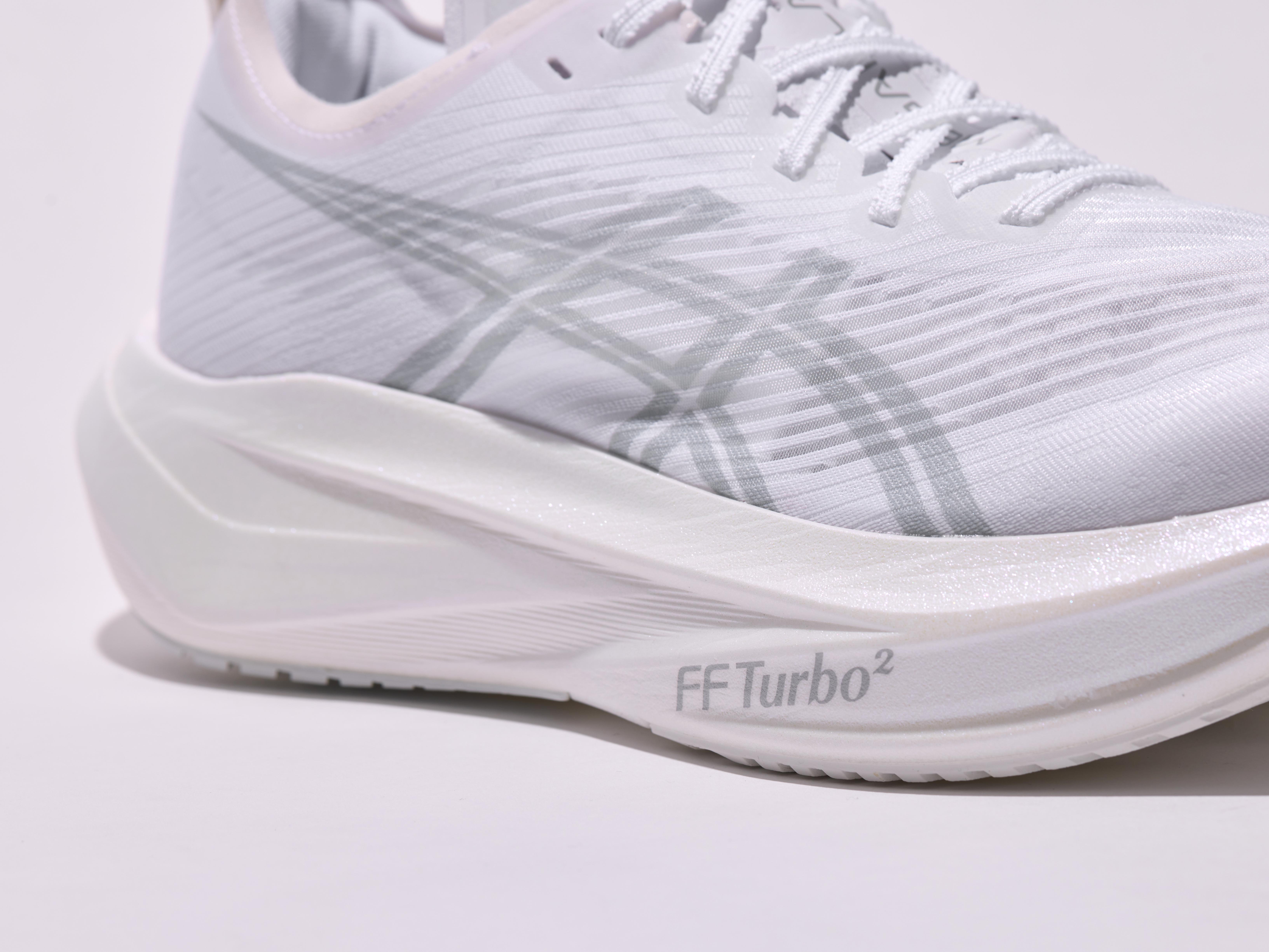
But hold on, sports fans. Because the race isn’t over yet. PEBA superfoams may have come out of their gates hard and fast, but like any good racer knows, sometimes it’s the steady, consistent racer that seizes the day. Emerging back out of the pack, TPU foams have elbowed in on PEBA to reestablish themselves as legitimate racing shoe options. With the PUMA Fast-R Nitro Elite 2, PUMA proved that the original, heavy TPU foams had evolved into something relevant in the modern racing sphere.
Standard TPU still works great for daily trainers, but the new ATPU compound was ready to go fast. Lighter, bouncier, and softer than the PEBA offerings that were in rotation, ATPU foams became known for their ability to absorb energy and to also rebound and give that energy back. The process for creating ATPU midsoles involves using a machine to carve fairly basic blocks out of larger foam slabs, so ATPU shoes are recognizable thanks to the lack of detail work in the foams. But who cares about detail work when you’re flying past the competition?
What Are TPEE (Thermoplastic Polyester Elastomer) Foams?
At A Glance:
- TPEE is a subset of TPE foams.
- Similar characteristics as a PEBA foam, as far as softness and energy return.
- Especially springy under-foot sensation.
- Found in: adidas Takumi Sen 11, Saucony Endorphin Elite 2
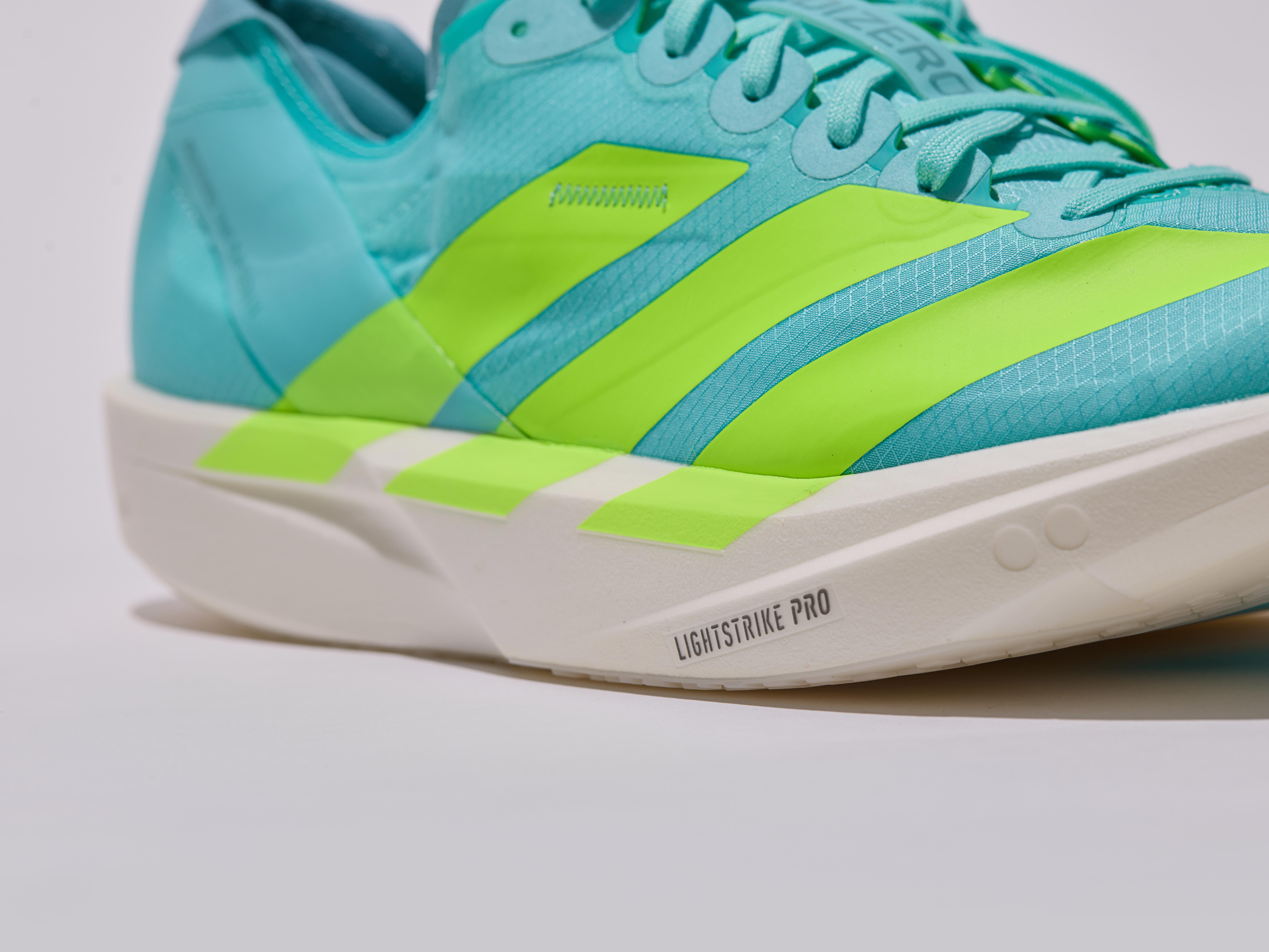
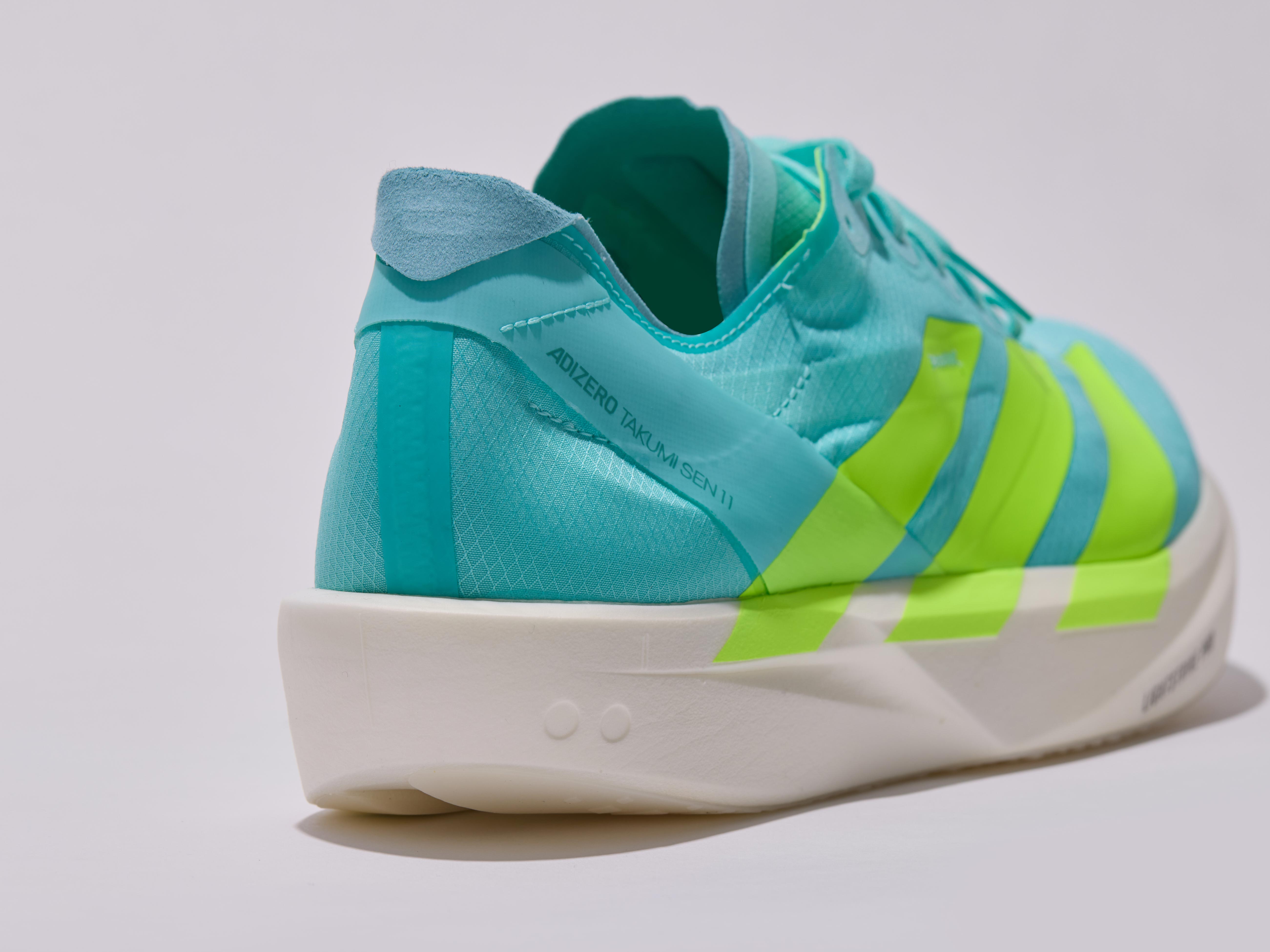
Finally, rounding out the big three “TRUE” super foams, comes TPEE. An especially elastic, and stable, but expensive foam to work with. TPEE foams resist the elements well and provide a rubbery, springy feeling underfoot. They’re a great option for durable racing shoes, but because of their price, a lot of times we see TPEE foams combined with EVA foams, to try to balance the benefits of both together. Like with all foams, though, the longer that it’s around, the better we’ll get at producing it. It’s already a favorite tool in adidas’ arsenal, but as costs come down, and processes get refined, TPEE seems positioned to develop further as a major competitor on the scene.
What Are "Supercritical" Foams?
Back to the baking a cake metaphor! If all of the previous categories have involved dissecting and labelling the batters used, then “supercritical” is going to be our first big process-based label. Metaphorically, how is our cake batter getting baked?
Any time a foam is labelled “supercritical”, that means that the base composition of the foam was injected with a liquified supplement of either nitrogen or CO2. As the foams bake, the injected nitrogen or CO2 liquids expand, returning to their standard gaseous states and leaving bubbles, or air pockets, built structurally into the cooling foams. These air pockets lend heightened bounce, softness, and pliability to any foams- from EVAs to A-TPUs.
Diving Deeper Into Running Shoe Midsoles
When trying to understand modern running shoe foams, it’s important to end on the note that this is an ongoing, ever-evolving battleground. Brands are rigorously pushing their labs to innovate and create, with new evolutions being revealed every year. And the midsole formula doesn’t end here. There are also plates to be considered, along with the ways they interact with these various foams. Carbon fiber plates versus nylon. Single slabs versus double plates. The combinations, benefits, and spec combinations seem endless.
But we hope this article has lent some base-level clarity about the options currently available. And we hope that, whatever you slip on your foot, you find that ideal combination of traits for your most comfortable miles, your fastest races, or your most efficient workouts.
To shop the options, and to keep up with all the latest advances in this space, make sure to keep your eyes on us here at Running Warehouse.