How Heeluxe Helps You Find Your Ideal Running Shoe
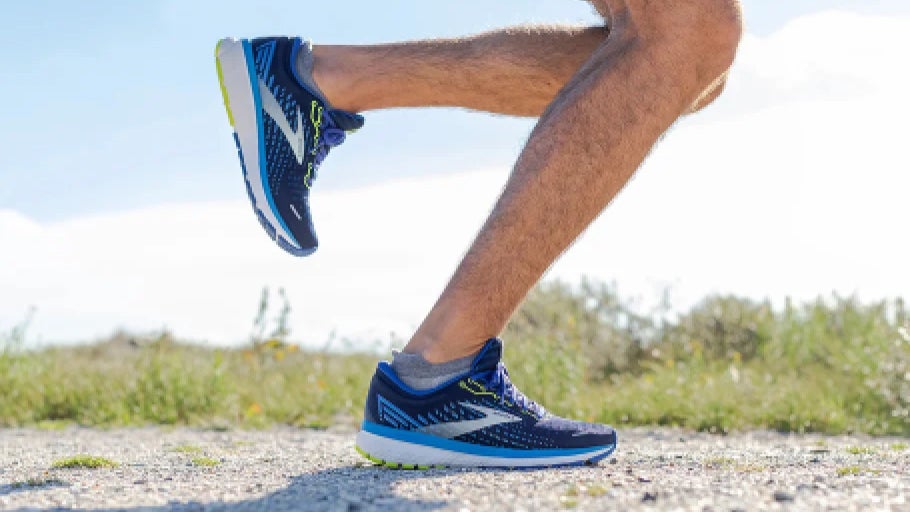
When it comes to running, no purchase will play a more crucial role in your experience and performance than your shoes.
From comfort and fit to the overall underfoot experience the shoe provides, the right shoes can prevent injuries, protect you from the elements, or simply feel better while you grind out your mileage.
You don't want your shoe to be too loose or too tight.
You also don't want it to be too soft or too taut.
Finding a shoe that meets your preferences and needs can be challenging. Fortunately, Running Warehouse now offers fit and experience-based metrics, measured in partnership with Heeluxe, to help you discover your ideal shoe more easily.
What are Heeluxe and SmartLast?
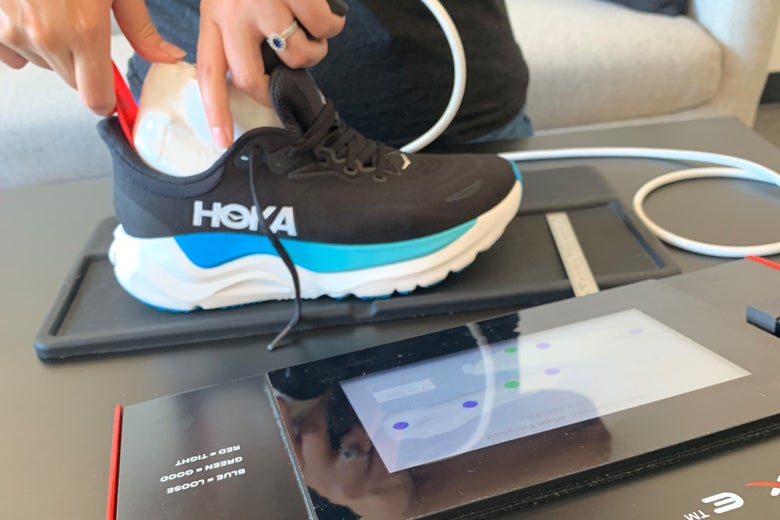
Heeluxe is a third-party product testing group, based in California, that we trust to give us accurate, precise, and impartial measurements about the shoes that we carry. Brands do a great job of marketing their products and telling us how lightweight, responsive, or well-cushioned their shoes are. But EVERY SHOE can't offer "5% more energy return than their competitors," despite how often we hear that claim. So we here at Running Warehouse think it's invaluable to partner with Heeluxe to put those claims through the wringer and to report objective, quantifiable facts to you about how our shoes fit and perform.
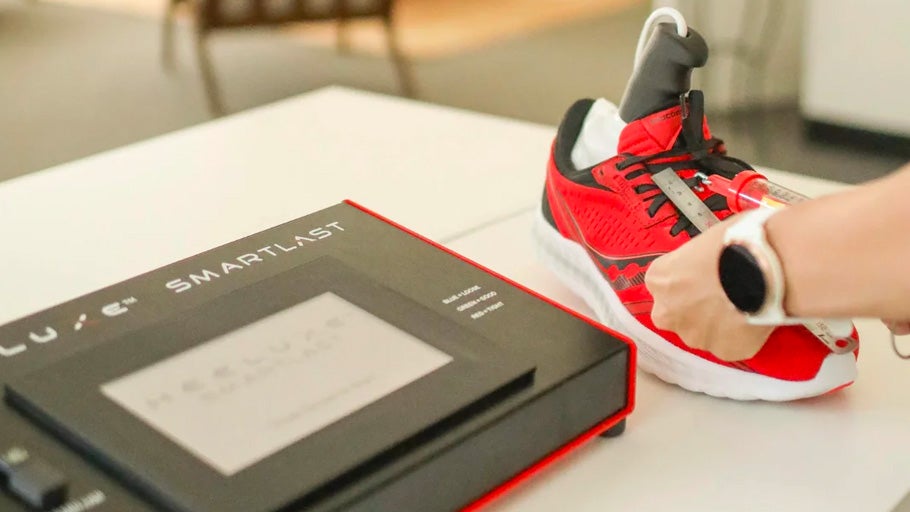
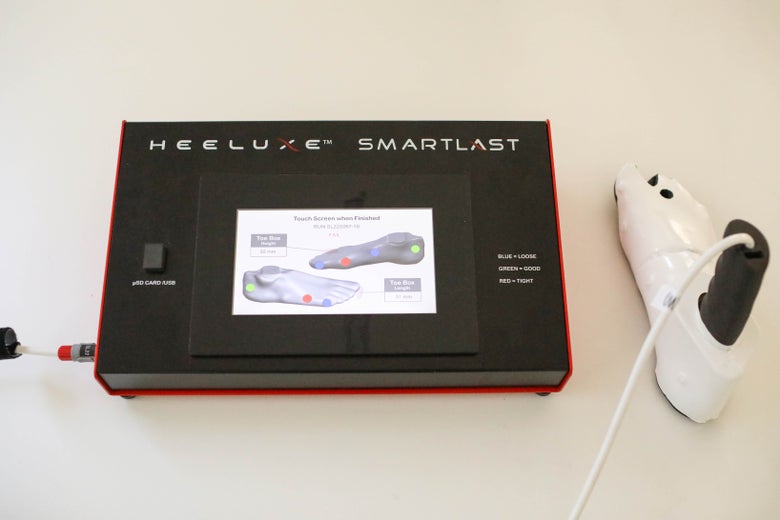
SmartLast is a technology by Heeluxe designed to deliver precise shoe fit measurements. It uses laser light, pressure sensors, and data from millions of foot scans to give accurate, unbiased information about how shoes fit. By providing standardized measurements for length, width, height, and overall 3D fit, Heeluxe uses SmartLast to help you choose running shoes that fit correctly and perform the way you want.
How Our Process Works
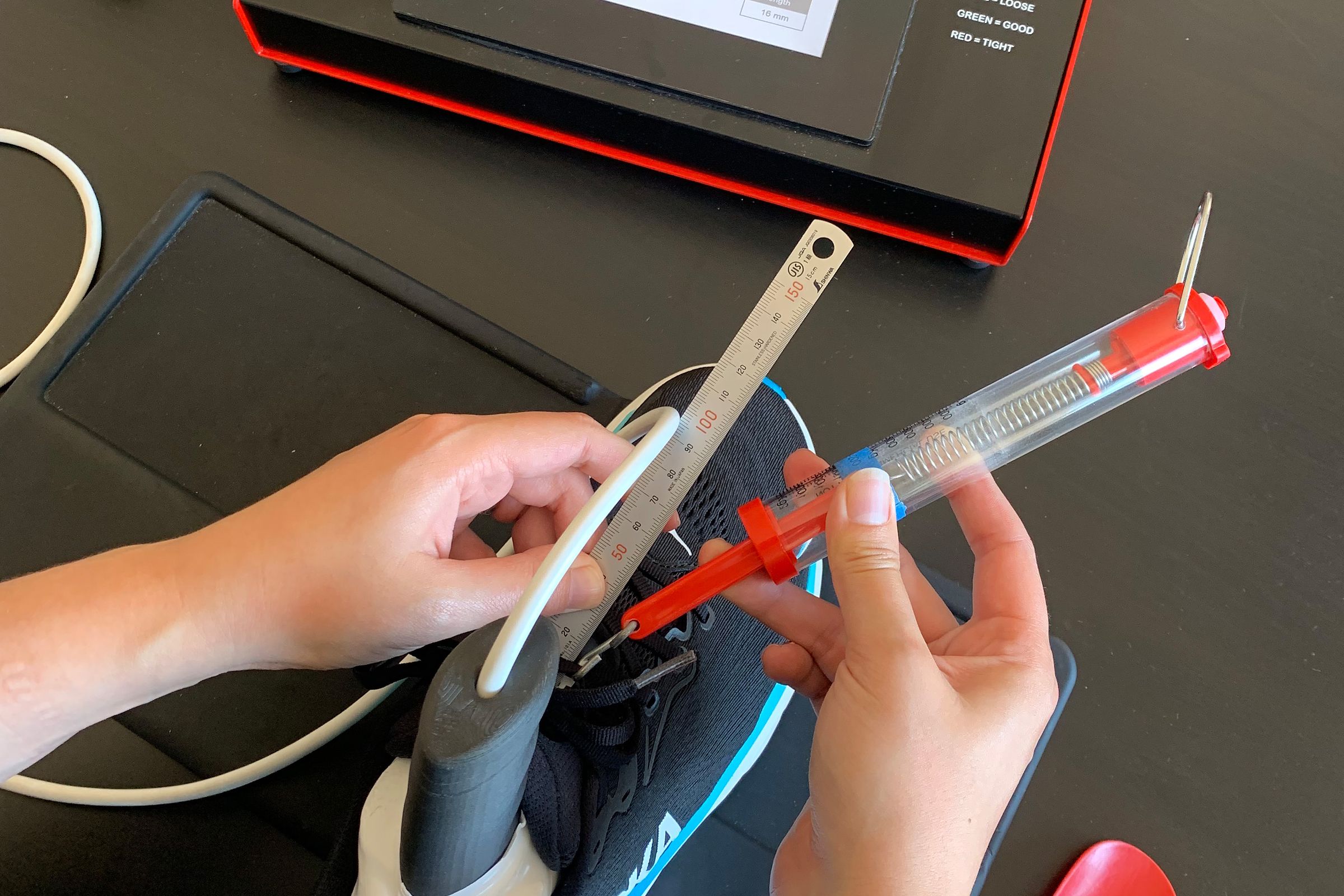
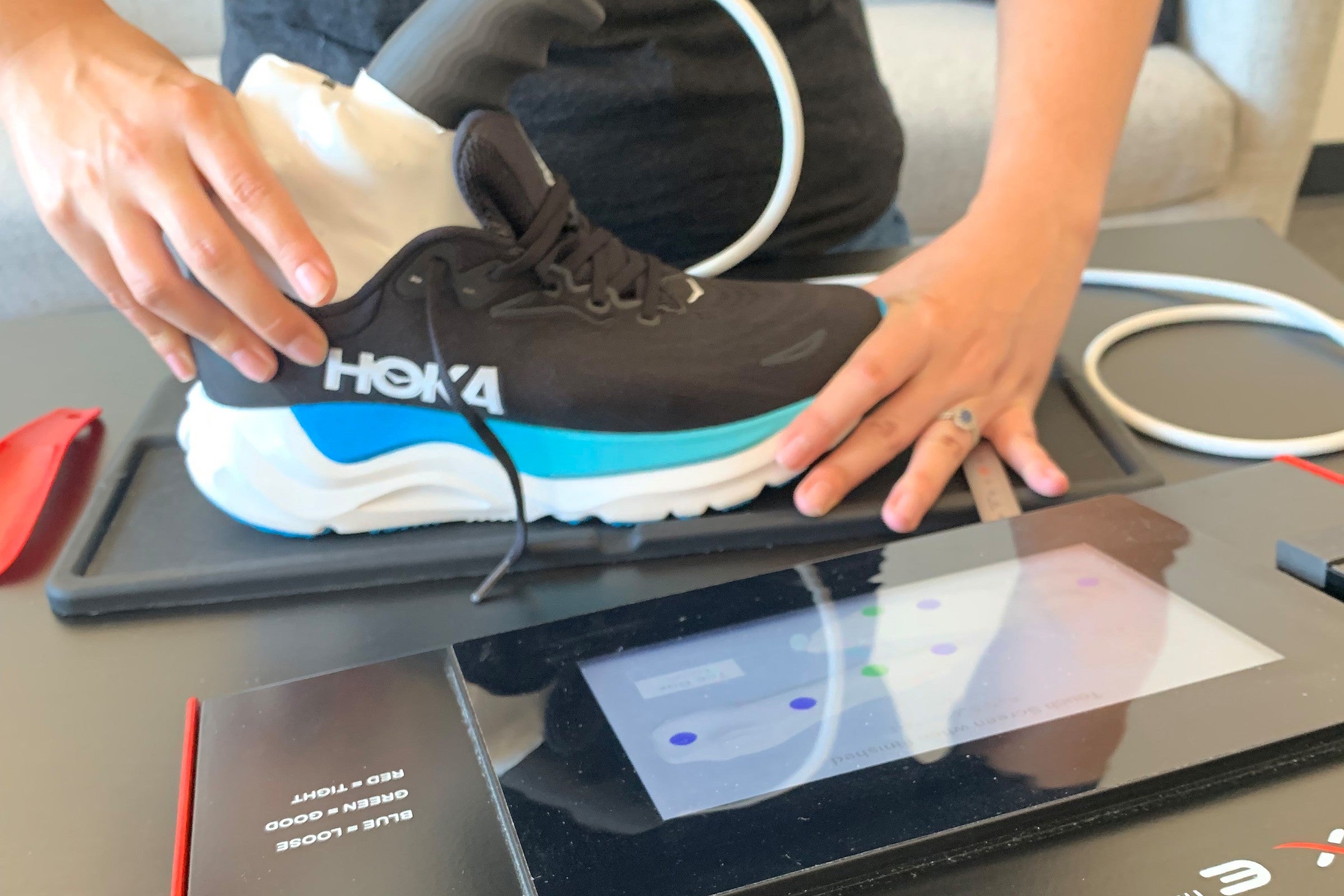
Running Warehouse works with Heeluxe to measure every men's and women's running shoe on our website. We start by sending a men's size 9.0, a women's size 8.0, or a Unisex size 9.0 (all medium width) to their lab. Using SmartLast foot-shaped technology, as well as an array of other tools, Heeluxe scans and tests the shoes. The results are then used to classify each model based on the following metrics:
Understanding Our Fit-Based Metrics
With the help of Heeluxe's advanced SmartLast system, we are able to provide objective measurements for toe box, midfoot, and heel widths, as well as overall length.
Length-Based Sizing
Sizing (length) measurements tell you the fit of each shoe, front to back.
Sizing (length) options are Short - True - Long.
Note: These fits are relative to the "average" running shoe.
Note: "Long" doesn't always warrant sizing down.
Heel Width
Heel Width measurements tell you about the fit on the back of the shoe where your heel sits.
Fit (width) options are Narrow - Snug - Average - Roomy - Wide.
Midfoot Width
Midfoot Width measurements tell you about the fit in the middle of the shoe around your arch and metatarsal heads.
Fit (width) options are Narrow - Snug - Average - Roomy - Wide.
Toebox Width
Toebox Width measurements tell you about the fit in the front of the shoe, around your toes.
Fit (width) options are Narrow - Snug - Average - Roomy - Wide.

Understanding Our Performance-Based Metrics
For performance metrics, Heeluxe utilizes various destructive tests to give objective measurements of how well each shoe performs across different variables.
Heel Impact Absorption
- This is measured on an Impact Tester at Heeluxe. A lower score represents firmer cushioning, and a higher score represents softer cushioning.
Ball of Foot Impact Absorption
- This is measured on an Impact Tester at Heeluxe. A lower score represents firmer cushioning, and a higher score signals softer cushioning.
Cushioning
- This is measured on an Impact Tester at Heeluxe. A higher number indicates the foot sinking into the shoe more. This is typically better for slower and lighter runners. A lower number indicates less sinking/less squish.
- Lower numbers are more stable.
- Lower numbers are better for faster or heavier runners.
Energy Return
- Energy Return quantifies the percentage of impact energy returned to "the missile" as it rebounds after striking the sample material. A higher % is greater energy return.
Rocker Profile
- There are three categories of rocker profile, indicating how steep the tip of a shoe's toe box is, relative to the shoe's frontmost contact point with the ground. The right rocker can help you roll through your strides comfortably.
- Our three categories for Rocker Profiles are: Subtle, Moderate, and Aggressive.
Rocker Initiation
- This measures where a shoe's rocker begins and where a shoe's last contact point with the ground is when sitting naturally.
- An "Early" rocker starts behind the back of the big toe joint. A "Late" rocker starts in front of the back of the big toe joint.
Getting You In The Right Shoe
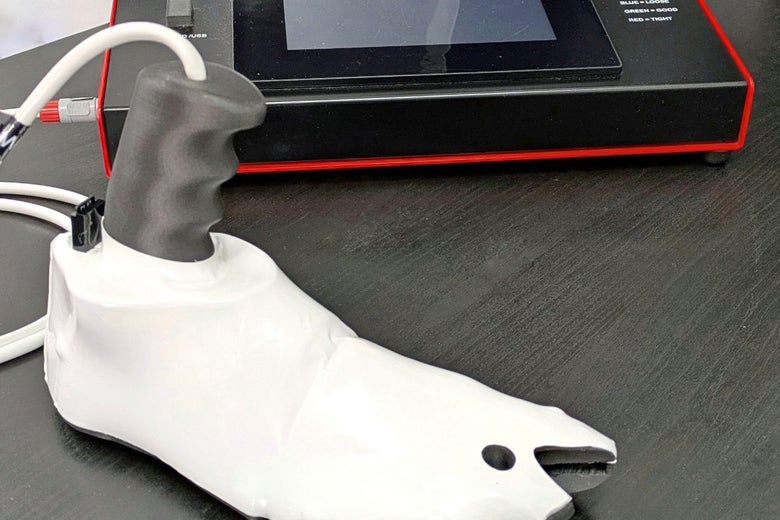
Our goal with Heeluxe is to provide you with objective fit- and performance-based recommendations so you can easily find your next favorite running shoe.
By using standardized measurements, we make it simple to discover footwear that matches the comfort of your best-fitting pairs of running shoes—taking the guesswork out of shopping. Here’s to effortless miles and happy running!