How to Clean Your Running Shoes

There’s nothing quite like slipping into a fresh pair of running shoes. The clean look, the snug fit, and the bounce in your step all feel unbeatable. But after a few runs, muddy trails, dusty roads, and sweat can leave your shoes looking a little worse for wear. Dirty shoes might be a badge of honor, but a little care can go a long way.
Running shoes aren’t cheap, and keeping them clean can help maintain their condition over time. From removing dirt and debris to preventing unwanted odors, proper shoe care can help keep your favorite pair looking and feeling fresh. We'll walk you through how to clean your running shoes the right way so they're ready for your next run.
Why Cleaning Running Shoes Matters
1. Preserve Your Shoes' Condition
Over time, dirt, mud, and debris can build up on your running shoes. Keeping them clean helps prevent buildup that can affect the materials and overall condition of your shoes. A little regular maintenance can go a long way toward keeping your favorite pair in good shape.
2. Control Odor and Bacteria
Sweat and damp conditions create an ideal environment for odor-causing bacteria to thrive. Cleaning your shoes and allowing them to dry completely can help reduce unpleasant smells and keep them feeling fresh.
3. Extend Lifespan and Reduce Waste
Taking care of your running shoes doesn't just help you get more out of your investment; it can also help reduce waste. Keeping your shoes in good condition may help you get more use out of them before it's time for a replacement. It's a simple way to make your running routine a little more sustainable.
When (and How Often) to Clean Your Running Shoes
Just like your favorite workout clothes, your running shoes need a little TLC, but that doesn’t mean you need to scrub them after every run. How often you clean your shoes depends on where you run, how frequently you hit the pavement or trails, and how dirty your shoes get.

Light Cleaning vs. Deep Cleaning
If you mostly run on dry roads or treadmills, a quick cleaning every week or two may be all you need. Brush away loose dirt and dust, and wipe the uppers with a damp cloth to keep them looking fresh.
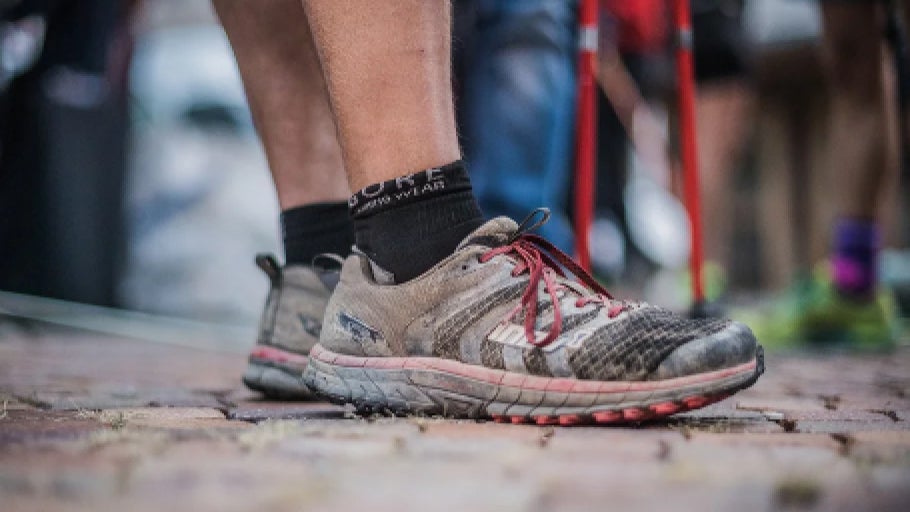
If you’re logging miles on muddy trails, wet terrain, or in winter weather, your shoes may need a little extra attention. When dirt and debris start to build up, it's a good time to give them a deeper clean using the step-by-step process below.
How Often Should You Clean Running Shoes?
As a general guideline:
- Light cleaning: Every 1–2 weeks or whenever your shoes get noticeably dirty.
- Deep cleaning: Every 4–6 weeks, depending on use and running conditions.
- Trail runners: Clean as needed, especially when mud and debris build up in the outsole.
These aren't hard-and-fast rules. Keeping up with small cleanings between runs can help prevent stubborn buildup and make deeper cleaning easier.
Don’t Overclean
While it’s tempting to keep your shoes spotless, cleaning them too often or using harsh methods can do more harm than good. Excessive soaking, scrubbing, and strong cleaning products can damage delicate materials. Stick to gentle cleaning methods and always let your shoes dry completely before wearing them again.
Signs Your Shoes Need a Wash
Not sure when it’s time to give your shoes a wash? Look out for these signs:
- Dirt or mud buildup that won’t brush off
- Lingering odors
- Visible salt stains or watermarks
- Fabric that feels stiff or sticky
- Mud or pebbles stuck on the outsole
When in doubt, start with a quick spot clean. Sometimes that's all you need to look and feel fresh again.
What You’ll Need (Tools & Materials)
Before getting started, gather your cleaning supplies. You don’t need any fancy equipment to clean your running shoes, just a few household items and a little bit of patience. Having everything ready will make the process easier.
Basic Cleaning Supplies
- A small bucket or bowl for mixing your cleaning solution
- A soft-bristled brush, old toothbrush, or sponge
- Mild dish soap or laundry detergent
- Clean, lukewarm water
- A soft cloth or microfiber towel (optional)
- A mesh laundry bag for shoelaces (optional)
- A fan or no-heat shoe dryer (optional)
Step-by-Step Running Shoe Cleaning Process
Cleaning your running shoes doesn’t have to be complicated. Follow these simple steps to remove dirt, sweat, and buildup while helping protect your shoes' materials.

1. Remove Loose Dirt First
Start by gently knocking your shoes together outside or over a trash can to remove loose dirt and debris. Then, use a dry brush or old toothbrush to brush away any remaining dirt from the outsole, midsole, and upper.
If your shoes are covered in mud, let it dry before brushing it off. Removing dirt before adding water helps prevent it from spreading or getting worked deeper into the fabric.
2. Remove Insoles and Shoelaces
Before you start cleaning, remove the insoles and shoelaces.
- Insoles: Gently wipe them down with a damp cloth and mild soap. If they have an odor, sprinkle a bit of baking soda on them and let it sit for a few hours before brushing it off.
- Shoelaces: hand-wash them in warm, soapy water or place them in a mesh laundry bag and wash them on a gentle cycle.
Set the insoles and laces aside to air-dry completely while you clean the rest of your shoes.
3. Clean the Outsole and Midsole
Next, focus on the bottom and sides of your shoes.
- Mix a small amount of mild dish soap or laundry detergent with lukewarm water.
- Use a brush or old toothbrush to gently scrub away dirt, paying extra attention to the grooves and lugs, especially on trail running shoes.
- Remove any stubborn mud or small pebbles stuck in the tread with a brush.
- Wipe away any remaining dirt and soap with a clean, damp cloth.
Keeping the outsole free of mud and debris helps maintain traction so you can get the most out of your shoes.
4. Clean the Upper (Fabric, Mesh, or Knit)
The upper is often one of the more delicate parts of your running shoes, so be gentle when cleaning it.
- Dip a soft brush or sponge into your soapy water and gently scrub the upper in circular motions.
- Pay extra attention to stained areas, but avoid soaking the entire shoe.
- Use a clean, damp cloth to wipe away any remaining soap.
If your running shoes feature waterproof materials or a special coating, check the manufacturer's care instructions before cleaning. Some materials may require specific cleaning products or care methods.
5. Remove Soap Residue
Once you've finished scrubbing, make sure to remove any leftover soap.
- Use a clean sponge or damp cloth to gently wipe away any remaining suds.
- Avoid submerging your shoes or rinsing them under running water for an extended period, as excess moisture can affect certain materials.
- Gently blot away excess water with a dry towel.
Removing leftover soap helps prevent residue from building up on the fabric.
6. Let Your Shoes Air-Dry
When it comes to drying your running shoes, avoid direct heat. High temperatures from dryers, heaters, or hair dryers can damage the materials and adhesives.
Instead:
- Let your shoes air-dry at room temperature in a well-ventilated area.
- Stuff them loosely with paper towels to help absorb moisture and maintain their shape. Replace the paper as needed.
- Place your shoes near a fan or use a no-heat shoe dryer to help improve airflow.
Drying time will vary depending on the materials, humidity, and how wet your shoes are. Make sure they're completely dry before wearing them again.
7. Reassemble and Refresh
Once your shoes, insoles, and laces are completely dry, put everything back together and lace up your shoes.
Your running shoes should now look and feel fresher and be ready for your next run!
Running Shoe Maintenance Tips

A few simple habits can help keep your running shoes in good condition between cleanings:
- Rotate your shoes. If you have more than one pair, alternating between them gives each pair time to air out and dry completely between runs.
- Loosen your laces. Untie your shoes before taking them off or putting them on to avoid crushing the heel and damaging its structure.
- Let them air out. After a run, allow your shoes to dry naturally, especially if they're damp from sweat or wet conditions. Remove the insoles if needed to help them dry.
- Store them properly. Keep your shoes in a cool, dry place, away from direct sunlight and extreme temperatures. Avoid leaving them in a hot car or damp garage.
- Clean small messes right away. Wipe away dirt and stains before they settle in. For muddy shoes, let the mud dry before brushing it off.
FAQs
Can I wash my running shoes in the washing machine?
It’s best to avoid putting your shoes in the washing machine. The agitation and excess water can damage the materials, adhesives, and structure of your shoes. Hand-cleaning is generally the safest option.
What if my running shoes still smell after cleaning?
If your shoes still have an odor, try sprinkling baking soda inside and letting it sit overnight before removing it. You can also try odor-fighting insoles. Make sure your shoes are completely dry before wearing them again.
Why do my running shoes feel different after cleaning?
Your shoes may still be damp, especially if moisture has reached the midsole or insole. Give them enough time to dry completely before wearing them again. If they still feel different once dry, check for signs of wear or damage.
How long does it take running shoes to dry after cleaning?
Drying them depends on how wet your shoes are, the materials, and the amount of airflow. Some shoes may dry overnight, while others can take 24 hours or longer. Placing them near a fan or stuffing them loosely with paper towels can help absorb moisture and speed up the process.
Can I clean my running shoes right after a muddy run?
Yes! If your shoes are covered in mud, let it dry before brushing away as much as possible. Then, use a damp cloth or soft brush with mild soap to clean any remaining dirt.
A Little Care Goes a Long Way
Keeping your running shoes clean doesn’t have to be a big project. With a little regular care, you can help keep your favorite pair looking and feeling fresh. Whether it's brushing off dirt after a run or giving your shoes a deeper clean when needed, a few simple habits can go a long way toward keeping them in good condition.
Make shoe care a part of your routine, so your running shoes are ready for whatever miles lie ahead.