What to Eat Before, During, and After a Track & Field Meet
You’ve trained hard, nailed your workouts, and your lucky socks are ready, but what you eat before and during the meet can make or break your performance. The key is fueling your body with the right carbs, hydration, and snacks at the right times to keep energy high and muscles primed. Here’s what works for sprinters, distance runners, and other track athletes so you can race strong and finish on top.
Track Meet Nutrition: The Basics
The first rule is that carbohydrates, or carbs, will be your best friend. During high-intensity efforts, your body uses glycogen as its primary fuel source. When preparing for a meet, you fill your body’s glycogen stores by consuming ample carbs.
While at the track meet, you should have a plan of what you will eat and when. Between meet-day chaos and pre-race jitters, it’s easy to let nutrition slip through the cracks.
Every runner's digestive system handles foods differently. What works for your teammate or coach may not work as well for you. Early season meets are the perfect time to experiment with your nutrition. Be sure to learn how your body will react to specific foods and supplements before the biggest meets of the season.
The Day Before The Competition
Goal: Make sure your body has enough fuel for a hard effort
Track meets push athletes to their limits. Maximum efforts take a serious toll on the body. Your muscles need plenty of energy to perform at their best. It’s crucial to have enough fuel in the tank. It is more important if you’re competing in multiple events throughout the meet.
Proper nutrition for a track meet starts long before race day. The day before is especially important. Stick to meals that are familiar. The night before the meet is not the time to try a new fancy dish.
Instead, go with tried-and-true meals. A good choice is pasta with a lighter tomato sauce and a small side salad. You do not need to worry about eating more than you usually do. Instead, focus on eating your normal amount to fill your glycogen levels.
The Morning of the Track Meet: Breakfast
Goal: Eat a well-balanced meal that your body can digest without problems.
Breakfast is a big deal on track meet day: it sets the tone for your energy and nutrition all day long. Start right by eating a lighter meal with high-quality foods. Eat foods packed with plenty of energy roughly 2.5 to 3 hours before the first warm-up for the day.
Be wary of processed breakfasts full of simple sugars that you will blow through quickly. Try to incorporate whole foods that include carbohydrates, protein, and healthy fats. Eggs, oatmeal with nuts, pancakes, or toast with your favorite nut butter are excellent breakfast options. A protein shake can be a quick, tummy-friendly way to get all the essential nutrients your body needs to crush the competition.
Again, focus on the food your body is used to and can process easily! Greasy fried foods may work for some people, but it is not the best choice for most athletes. If you are not a fan of breakfast, consume the food that works best for your body.
Pre-Competition: Snack
Goal: Keep your glycogen stores topped off
Glucose is the body's primary fuel source for higher-intensity workouts. Your body can only store a limited amount of glycogen, so ensure your fuel tank is full at the start of your event.
Beware: this does not mean you should carb-load right before an event! Since your body has limited glucose storage, too many carbs could contribute to stomach issues. The exact timing of when to eat will have been learned during training. Shoot for a small, easily digestible snack 30 to 60 minutes before your event.
Carb-rich snacks like fruits, rice, or potatoes can be good pre-race fuel. Many athletes find pre-packaged energy foods like waffles, chews, or gels are the most convenient options.
Between Events
Goal: Replenish glycogen stores for your next effort
It's important to have a carbohydrate-rich snack or small meal between events. Tom Cotner, a published researcher from the University of Washington and a coach for Club Northwest, advises consuming carbohydrates and protein within 20 to 30 minutes after your event. During this critical window, you can replenish your muscle glycogen and maximize recovery.
Hydration Tips
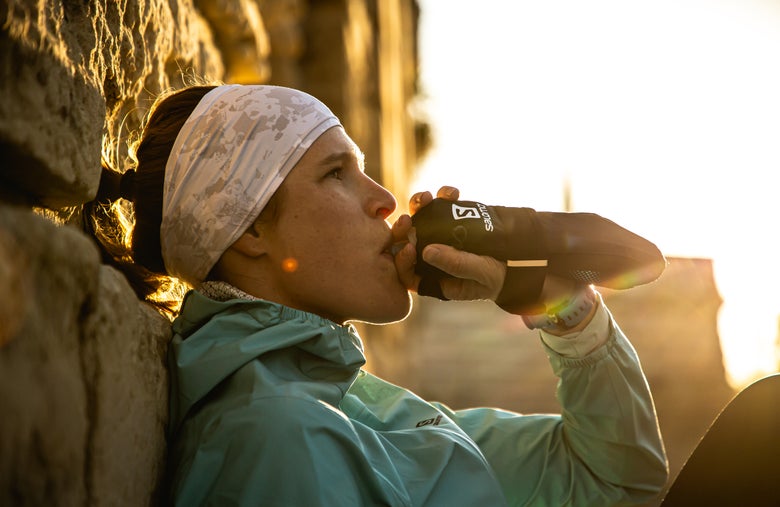
Your body loses a lot of water and electrolytes through sweat. You will want to replace both to stay hydrated. Many athletes will consume an energy drink mix, energy gel, or an electrolyte tablet. These items help replenish electrolytes during rehydration. Avoid single-sugar "sports drinks". They can lead to stomach issues and an energy crash shortly after.
After Competition
Goal: Focus on recovery and replenishing energy stores
Once you've finished your events, you will want to focus on restoring your glycogen stores. Take a snack containing roughly 30 grams of carbs and 6 grams of protein 20 to 30 minutes after your last event. This will help slow down the effects of cortisol and help the recovery process begin.
Carbohydrates are a top priority after a track meet. But a healthy combination of protein and fat is crucial. Ideal snacks include: a bagel with peanut butter, cheese, and raisins, fruit and nuts, hummus and veggies, yogurt, and low-fat chocolate milk. Remember: this is a post-meet snack; it does not replace a proper post-workout meal.
Tip: Bring a backpack with all the essentials: a snack with 30 grams of carbs and 6 grams of protein and a water bottle filled with your favorite post-race drink. Having access to your favorite foods and drinks will make your recovery process easier.
Re-Hydration Tips
Dehydration makes fluid around the tendons thicker and more viscous. This is a fancy way of saying there is less lubrication. Dehydration increases the chances of injuries, particularly in the Achilles tendons, hamstrings, and hips. Make drinking plenty of fluids a priority!
Recovery drink mixes are packed with carbs, protein, and amino acids to help rebuild muscle tissue and aid in the recovery process. Low-fat chocolate milk is a quick, easy, and tasty recovery drink after an event, hard workout, or long run. It only takes 8 ounces to get 6 grams of protein and 30 grams of carbohydrates, plus calcium and vitamin D. This will kick start your recovery process!
Sample Meal & Snack Plan for Track Meets
Because no single menu works for every athlete or body type, this is simply an example of a race-day approach that emphasizes carbohydrates and electrolytes, with balanced protein and fats leading into the track meet. Afterward, a protein-forward, well-rounded meal is prioritized to support recovery.
Training is the time to experiment and identify what fuels your body best for optimal performance. It’s also important to choose foods and hydration that are easy to carry, readily available, and will last throughout the day. Getting the proper nutrients should feel easy, not like a chore.
7:30 AM: Light breakfast of scrambled eggs, toast, a banana, and juice
10:45-11:00 AM: Competition
11:30 AM: Peanut butter and jelly sandwich, favorite post-competition drink
1:00-1:15 PM: Competition
1:45 PM: 8oz low-fat chocolate milk
2:30 PM: Chicken pesto pasta with vegetables
FAQ
What should I eat before a track meet?
Eat a high-carb, moderate-protein meal 2.5-3 hours before your event. Oatmeal, bananas, and toast with peanut butter are solid options to fuel muscles and maintain blood sugar. Avoid heavy fats or fiber that may cause stomach upset.
When should I eat snacks during a track meet?
Have small, easy-to-digest snacks like Clif bars or fruit between events to keep energy up without feeling full. Timing snacks 30-60 minutes before your next event helps maintain glycogen stores.
How much water should I drink during competition?
Listen to your body when it comes to hydration. If you struggle with staying hydrated, aim to hydrate consistently with 4-6 ounces every 15-20 minutes during events to avoid dehydration. Overdrinking can cause cramps, so listen to thirst cues.
Are there foods to avoid before racing?
Yes, avoid greasy, spicy, or high-fiber meals right before competing as they can cause bloating or cramps. Also, limit caffeine to what you’ve tested in training to prevent jitters.
Fuel Up for Your Next Meet
We cannot emphasize enough how important it is to get the right combination of nutrient-rich food and drinks before, during, and after a track meet. Without this, you cannot perform to your full potential. Test out these tips to find what works best for you, because your next PR starts with what’s on your plate!