Garmin Watch Buying Guide
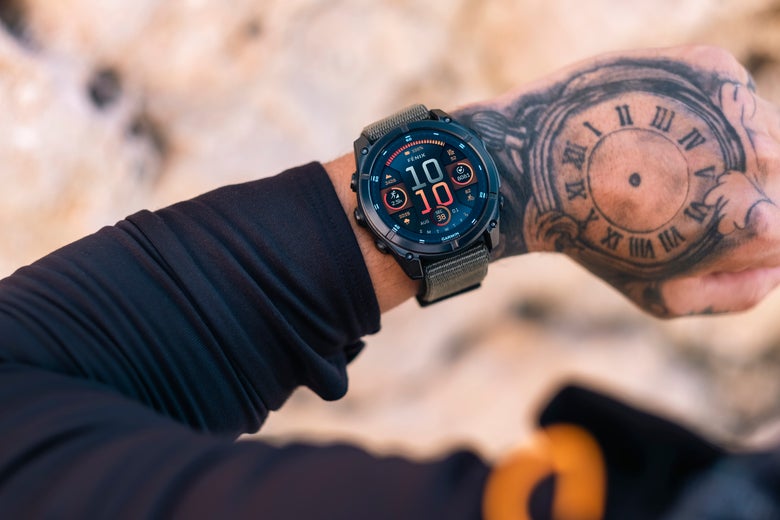
So, you’re in the market for a GPS watch. Fantastic. Your Strava will thank you later.
And you’re specifically looking for a Garmin. Good choice. They’re one of the biggest names in the game for a reason.
But now you’re clicking through the options, and...that’s a lot of numbers. And you’re trying to parse through each watch’s features, but now, let's be honest, there are SO MANY features that it’s getting hard to tell one from another.
Well, let us take the wheel for a minute. We’ll get through this together.
Here at Running Warehouse, we have more than 20 years of experience working with the running community. From shoes to apparel to gear, we supply it all, and we have a wealth of knowledge about the nuances that separate our different brands, makes, and models from one another. So let's take this one step at a time, shall we?
Explanations of The Models
Garmin has been on the cutting edge of GPS watches since the beginning. They’re the trusted, knowledgeable veterans in the room, and you know that when you buy a Garmin, you’re buying one of the most respected brands on the market.
But within Garmin’s catalogue, you’ve got some choices to make. As Garmin has grown, they’ve started specializing, with different models of watches catering to different subsets of the running community. At Running Warehouse, we think their fenix, Forerunner, and Enduro offerings each do a good job of both identifying their target audience and then spoiling them.
The GARMIN FORERUNNER line includes Garmin’s mass-appeal watches. These are the best choices for the majority of runners, sporting the best of Garmin’s features, user interfaces, and accessibility. Their intensity lies across a spectrum, ranging from the Forerunner 55s all the way up to the 970s. We’ll dig into those differences in just a bit.
The GARMIN CIRQA Smart Band is the right choice if you're trying to reduce screen time and go distraction-free during your workouts. It will still track heart rates, monitor workouts, and report information out to the Garmin Connect app on your phone, for perusing after the fact. But during your workout, you'll be left to focus on what really matters-- hitting one more rep.
Finally, the GARMIN FENIX series is the Cadillac of the Garmin lineup. Luxurious and overflowing with features, this is the model you look to when you want to really treat yourself.
So, those are the broad strokes. But now let's dig a little deeper.
The Forerunners
Forerunner 70
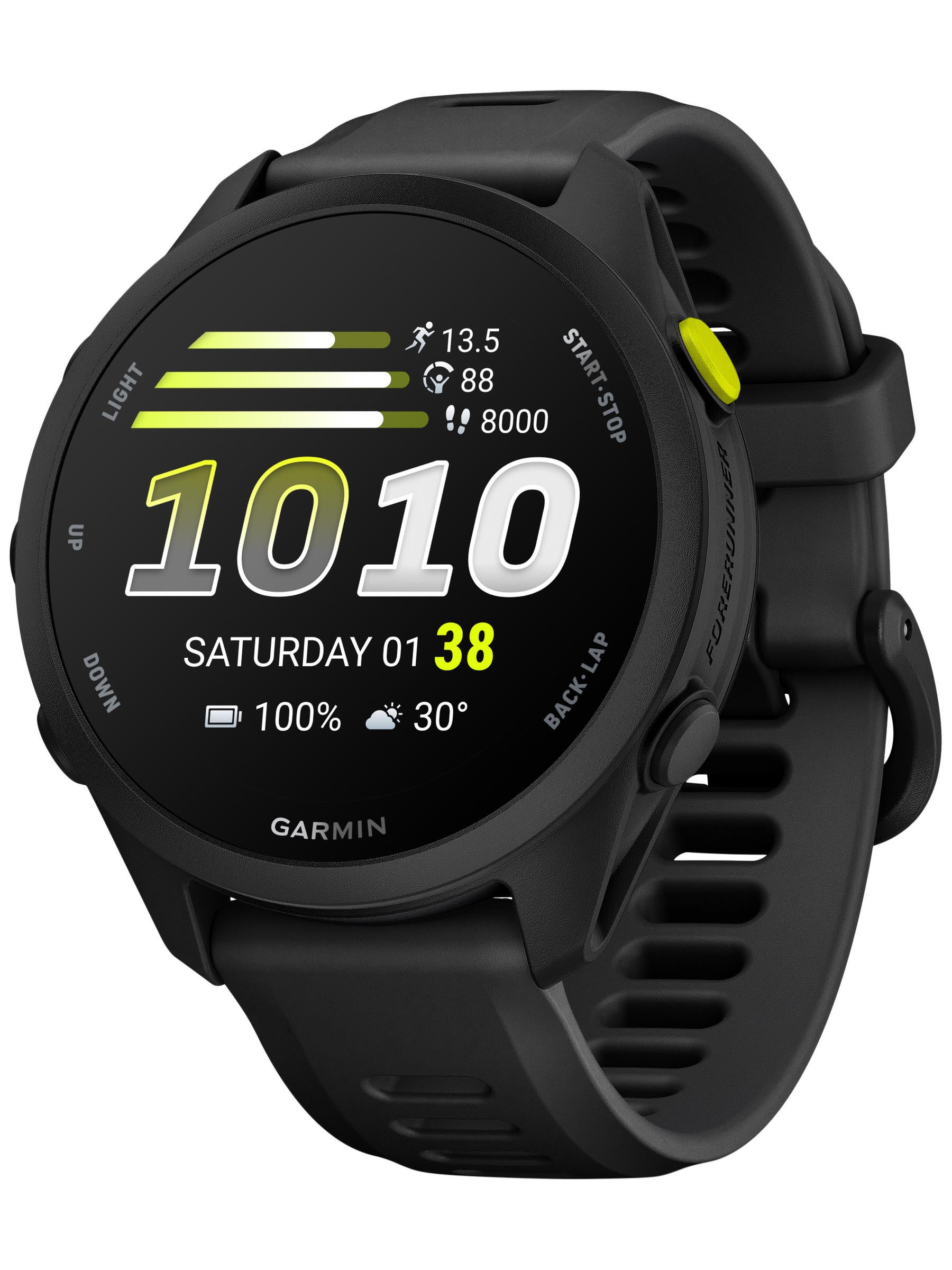
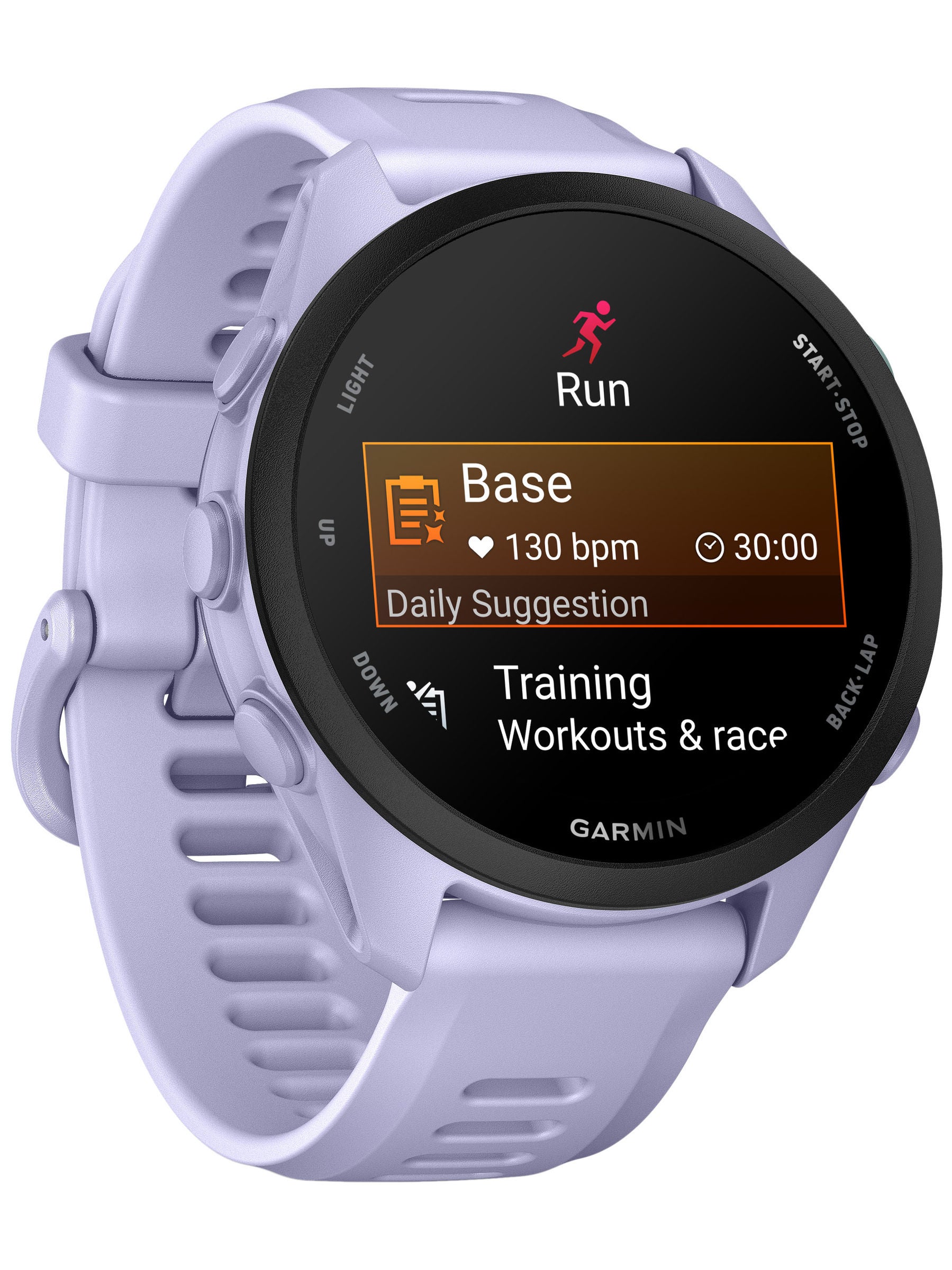
The Forerunner 70 is the easy-to-use, straightforward training tool for the straightforward runner. It has a full-color, AMOLED display, like the rest of our GPS watches, and a battery life of 23 hours in GPS mode and 13 days in smartwatch mode. That’s plenty of juice for most people’s weekly training routines with a nighttime charge mixed in every now and then. The 70 has downloadable, adaptive training plans via Garmin Coach, and Pacepro technology (GPS-based pace guidance), which can track, record, and give you the feedback you need to run your best runs. It has wrist-based heart rate monitoring and an interface that's simple and accessible. For people just dipping into the GPS Watch world for the first time, it will do a great job of easing you into things.
Forerunner 170
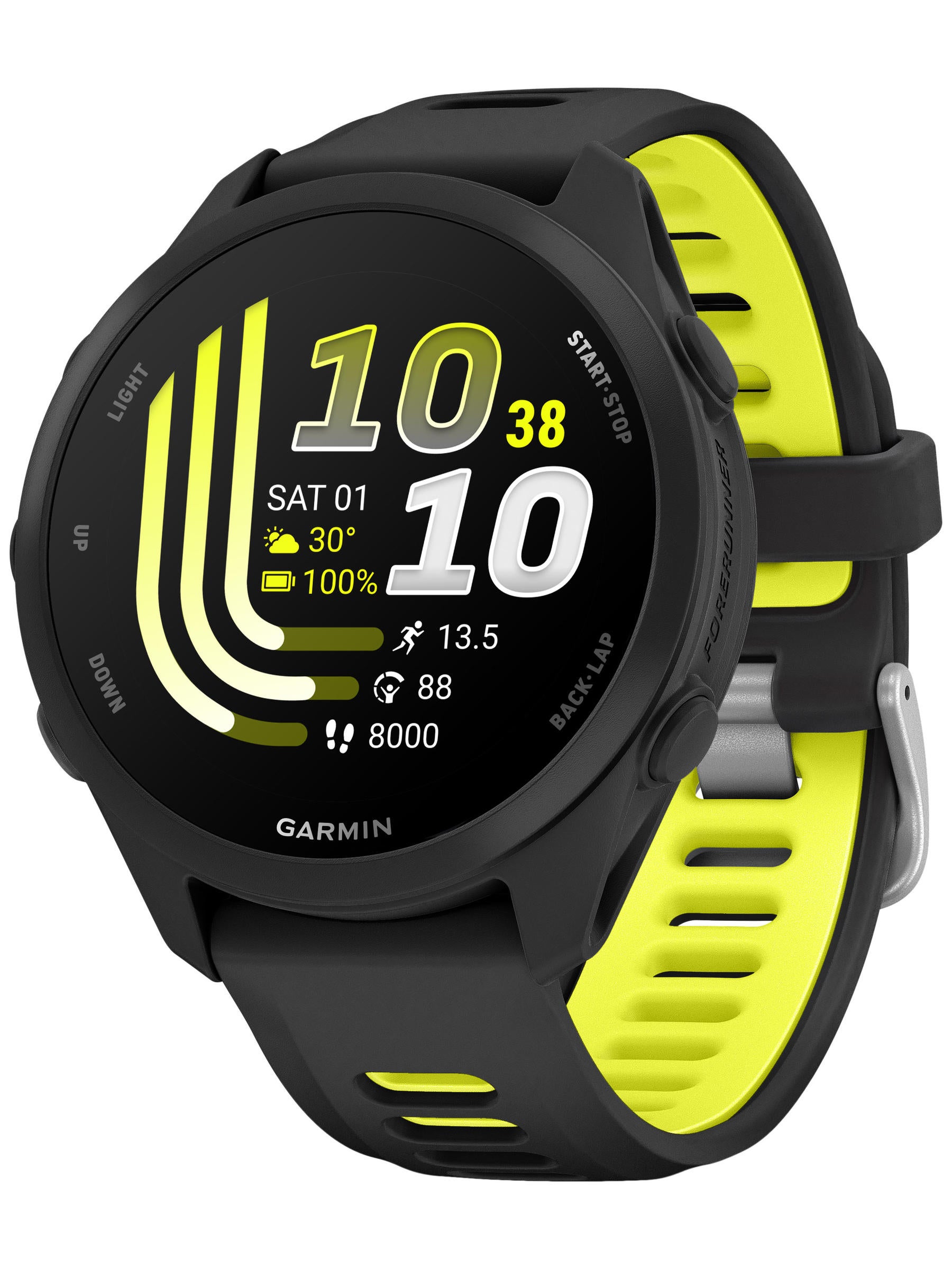
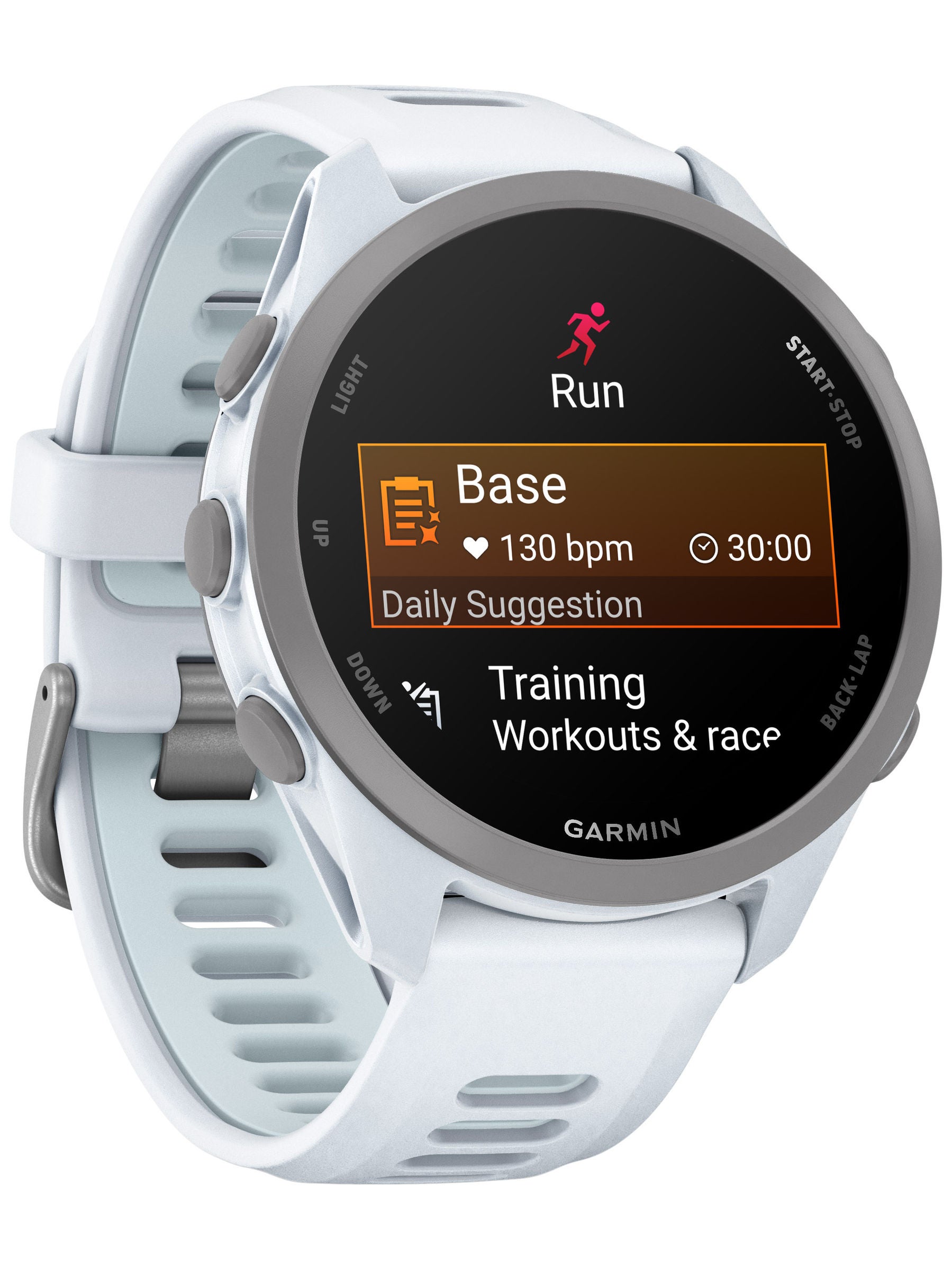
Shifting to the next gear, the Forerunner 170 takes everything that was included in the Forerunner 70 and adds a little more pizzazz, while still keeping the price point below $300. This model includes a built-in barometric altimeter, giving you highly accurate elevation and vertical movement data. And with Garmin Pay capability, you can leave your wallet at home. Because of this influx of new abilities, the battery life takes a small hit compared to the Forerunner 70’s (10 days in smartwatch mode, 19 hours in GPS mode).
Forerunner 265
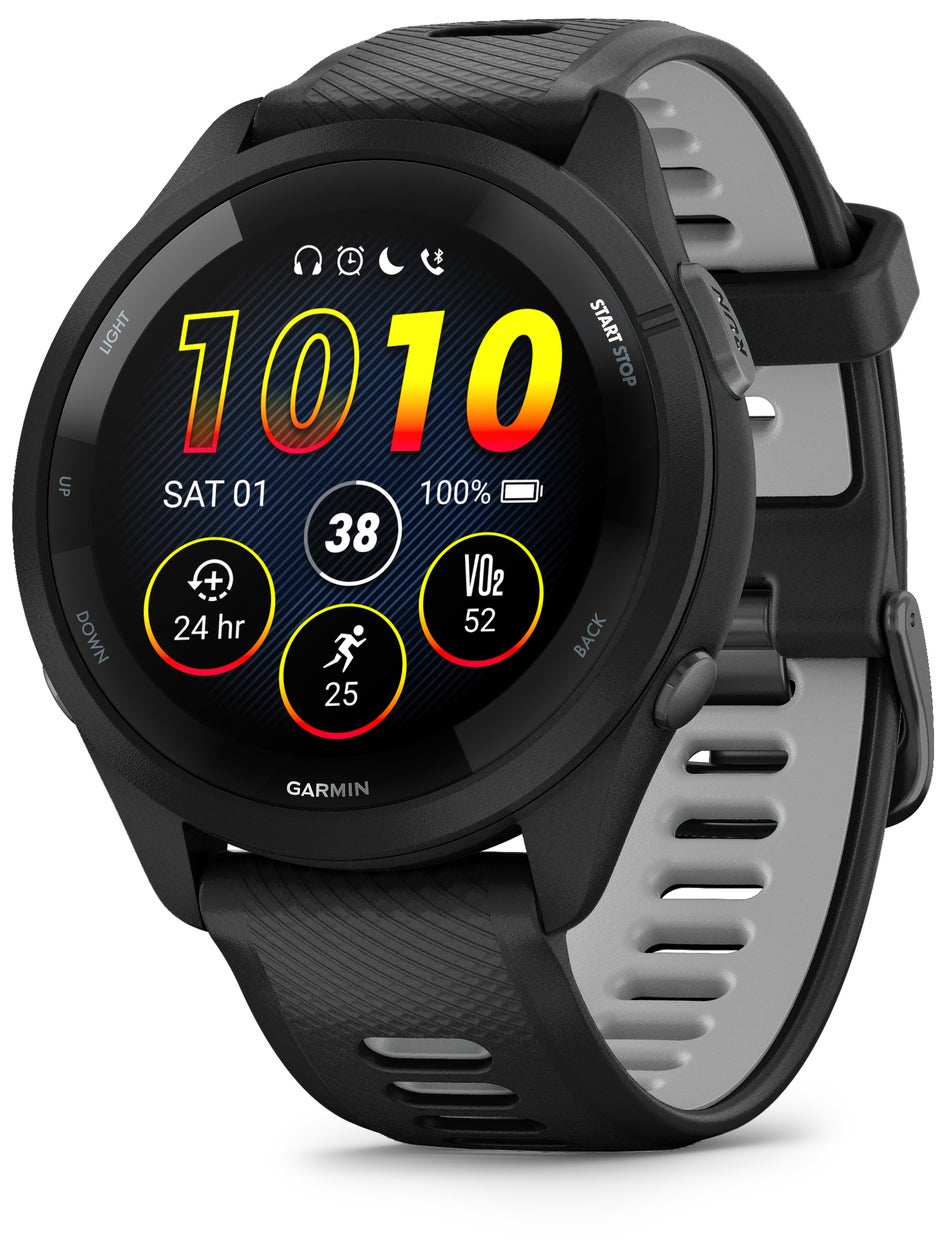
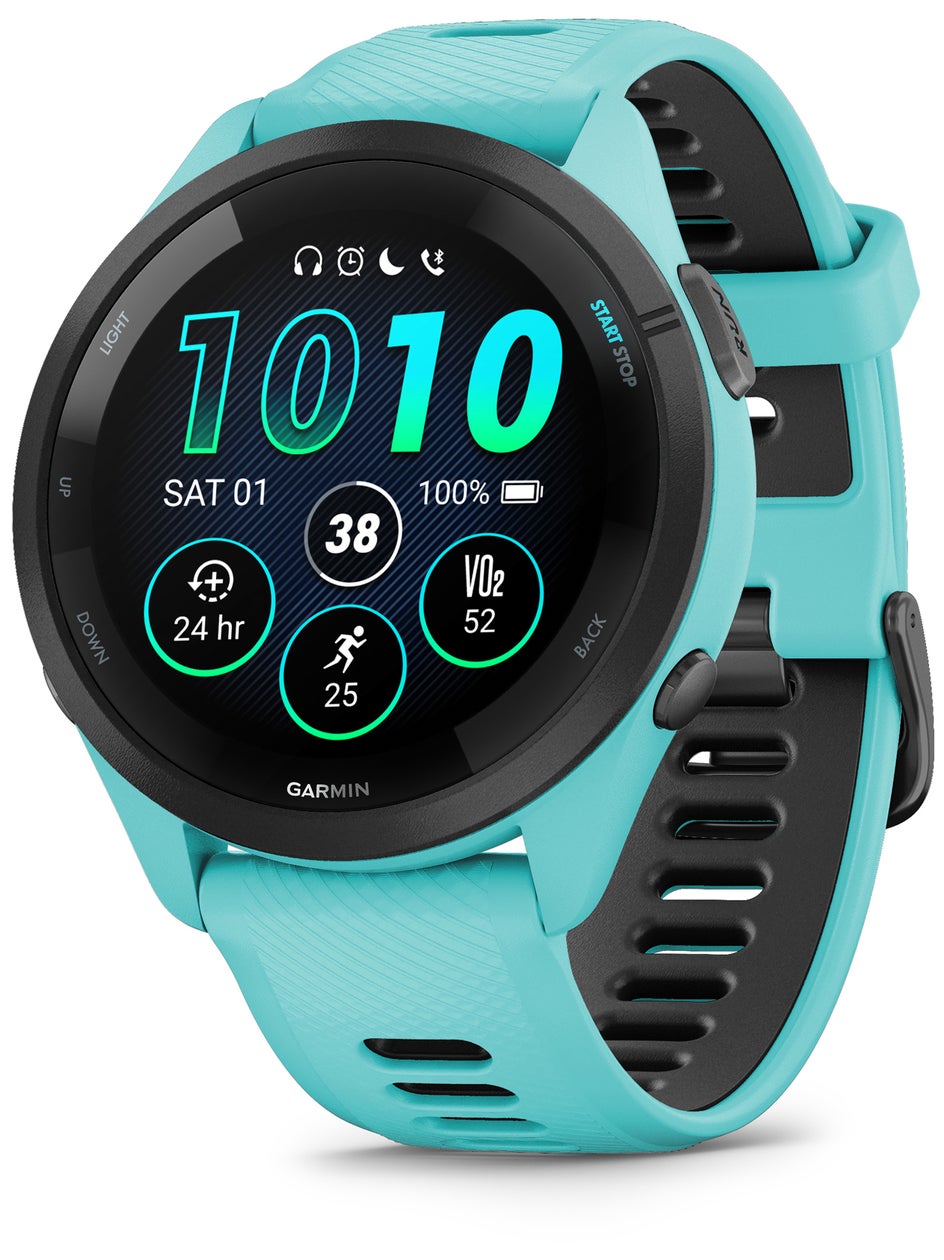
The Forerunner shifts gears again, with the 265 model providing everything the 70 and 170 provided, but now with a larger screen size, a longer battery life, and some advanced training metrics. The watch face expands from 43 mm 46.1 mm, allowing for easier control over the watch’s touchscreen features. Its battery life flexes back up to a more robust 20 hours in GPS Mode / 13 days in Smartwatch Mode. But one of the biggest selling points of the upgrade is the increased accuracy of the 265's GPS system, with this model introducing a dual-band GPS antenna which increases the watch’s precision and reliability in remote or cluttered areas.
Forerunner 265s
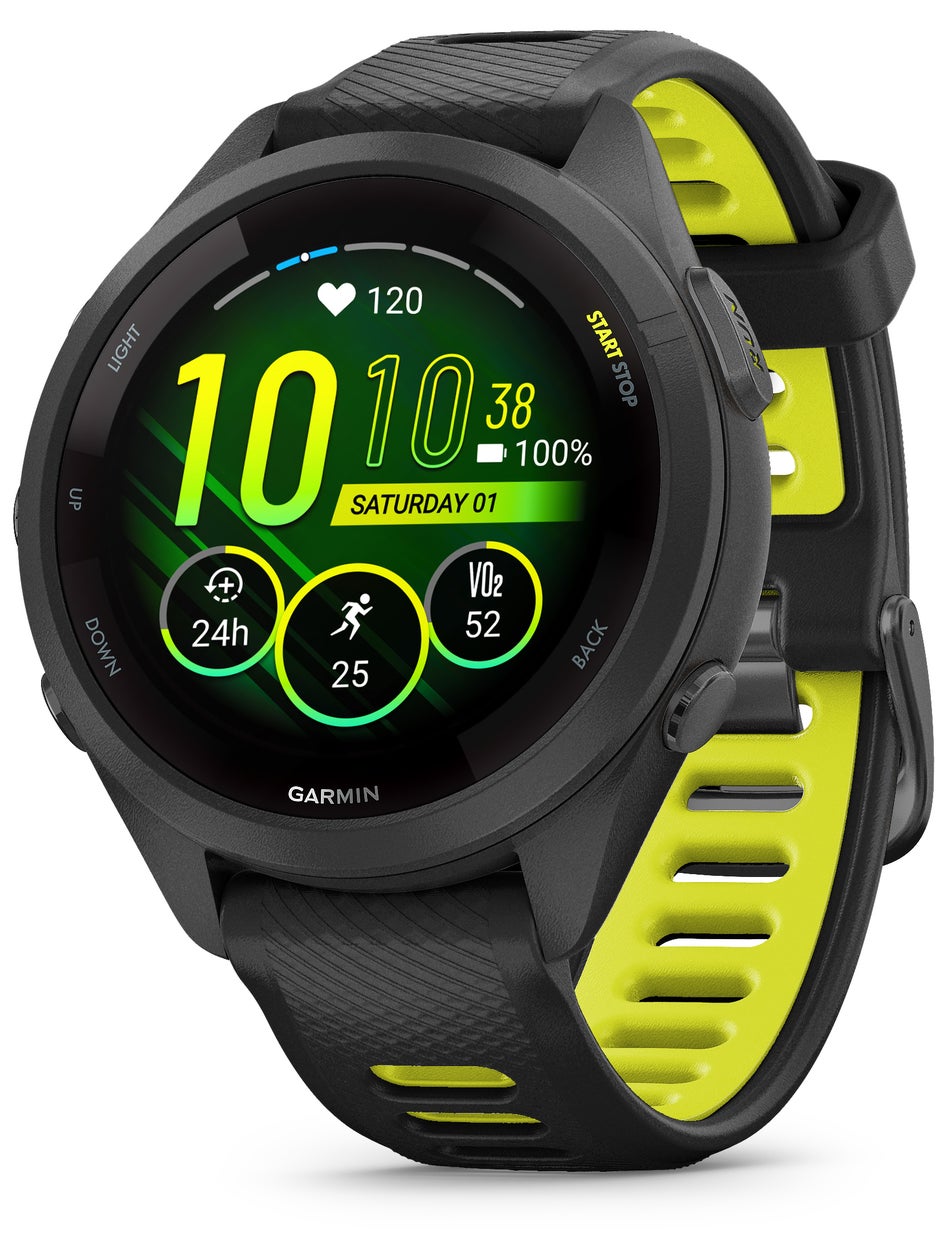
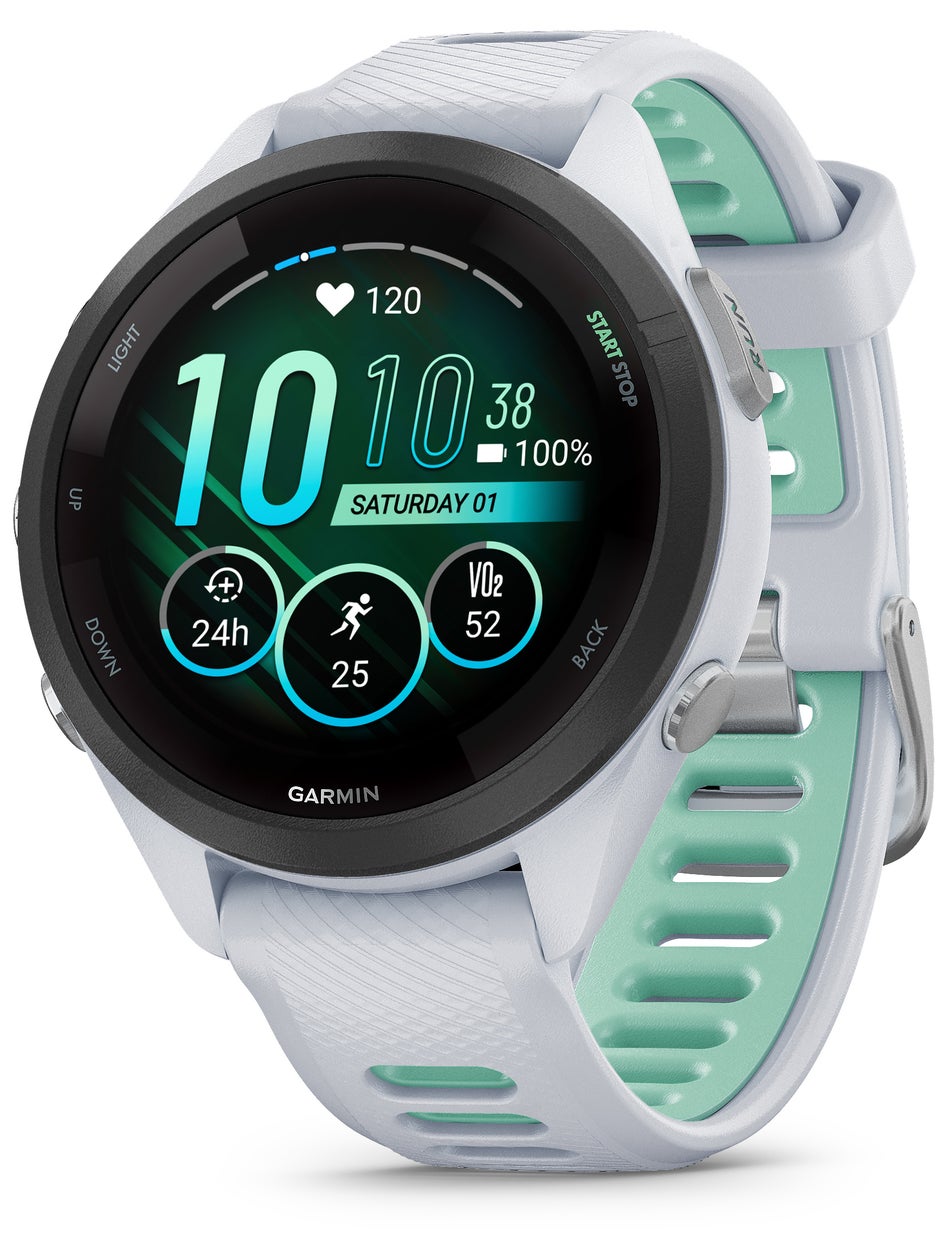
Numbers AND letters? Is this algebra? I hated algebra.
Jokes aside, the ‘s’ here stands for ‘small.’ The 265s has the same features, technical know-how, and (importantly) the same dual-band GPS antennae as the 265, but if that larger screen seems like it would be TOO much larger for you, then the 265s will scale things back for you. The Forerunner 265s cuts 5 mm from the watch face to leave us with a slimmer 41.7 mm diameter while still offering all the bells and whistles of the model.
Forerunner 570
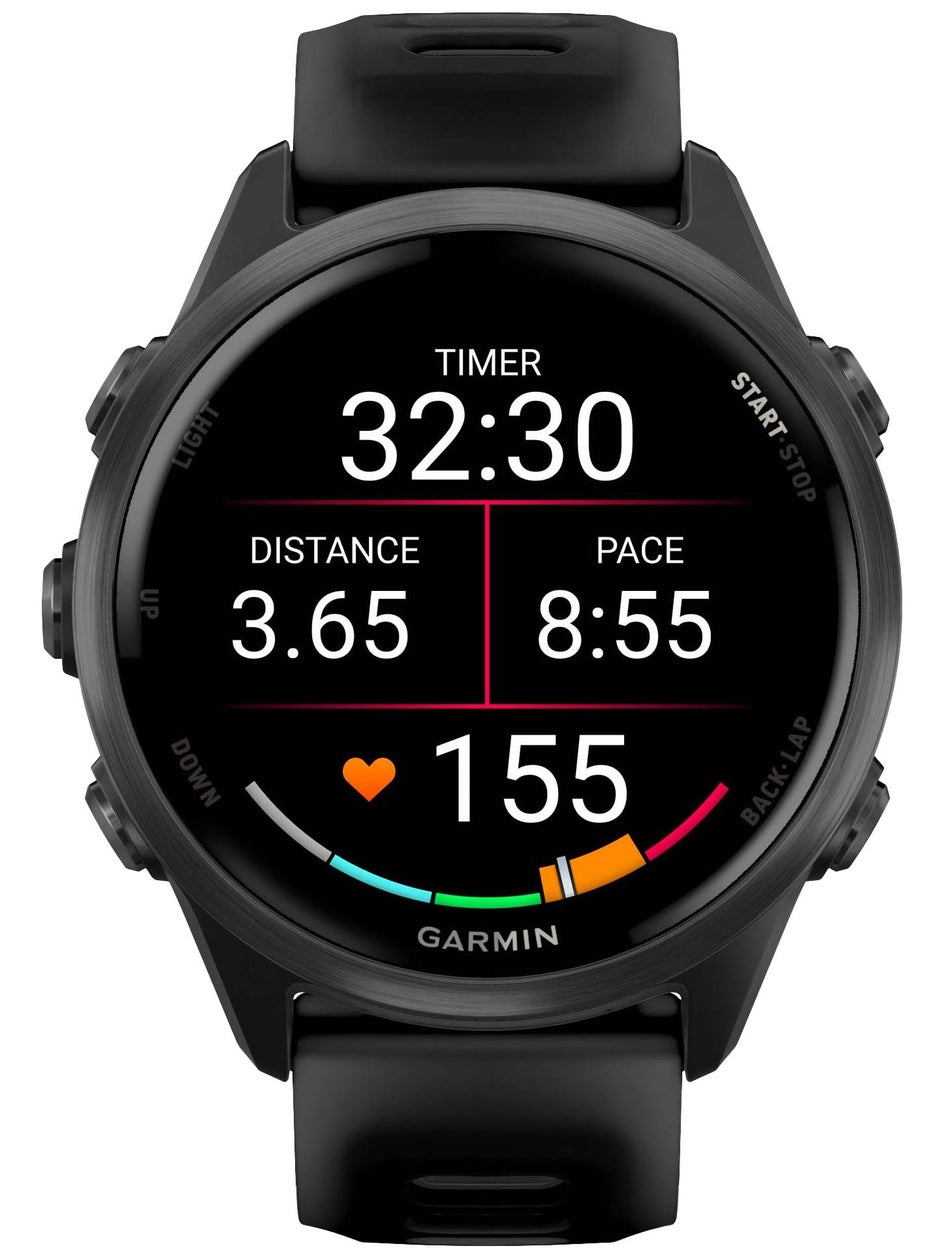
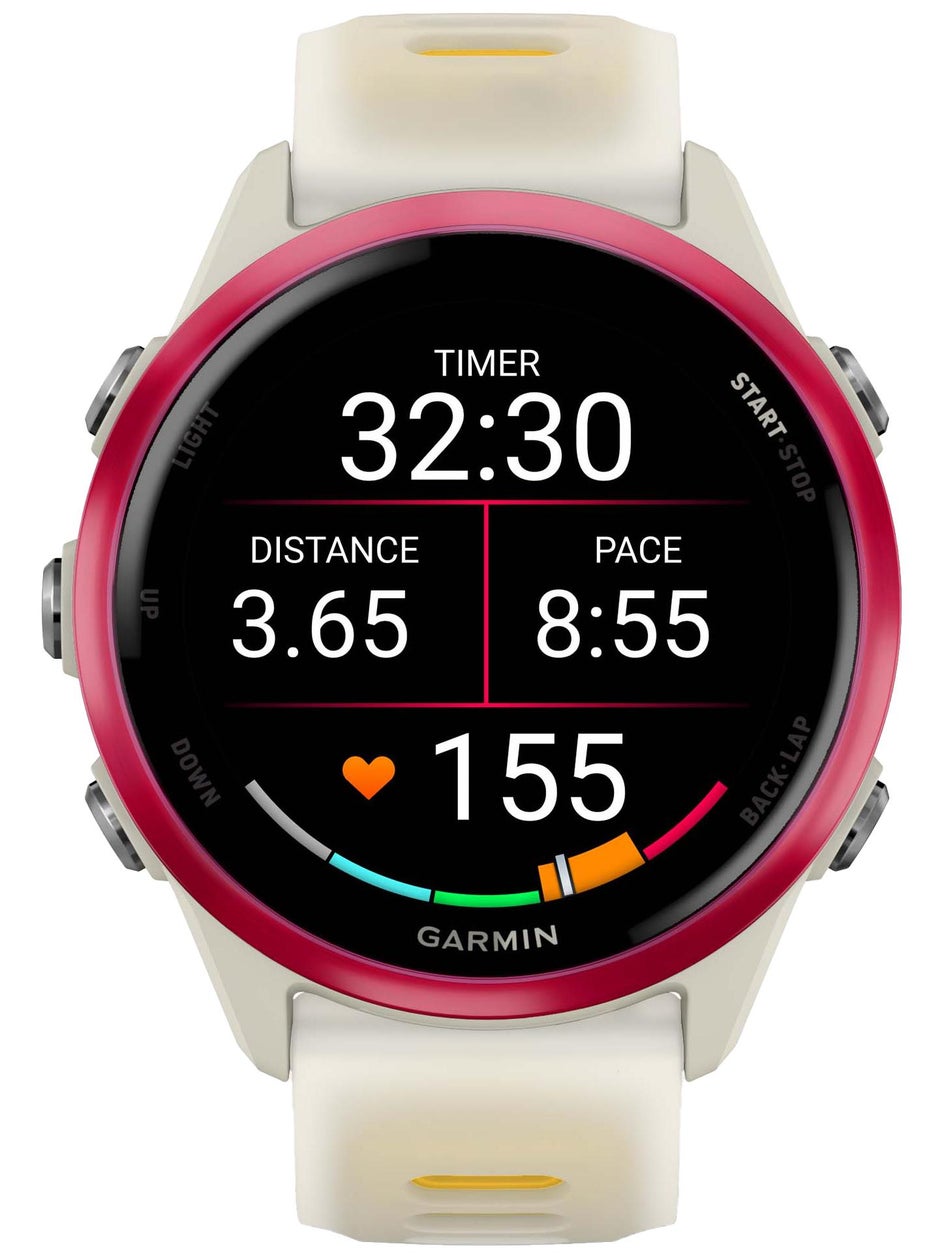
With the 570 model, we start seeing some of Garmin’s seriously impressive, advanced hardware getting introduced. New to this model is a skin temperature sensor, which can guide you to cool down or heat up so that you stay in peak condition. There’s an all-new evening-report feature to keep you informed of all your health and training statuses, and there are new built-in activity profiles to include running, triathlon, cycling, open-water swimming, and many more. The 570 is what we’d recommend if you’re a multi-sport athlete trying to track workout data across multiple different activities simultaneously, as it has the processing power to segment out those different workout categories. The battery life takes a hit because the watch is doing so much work, decreasing to 11 days in smartwatch mode, 18 hours in GPS mode (comparable to the Forerunner 170), but it’s an understandable tradeoff for the computational feats being performed.
Forerunner 965
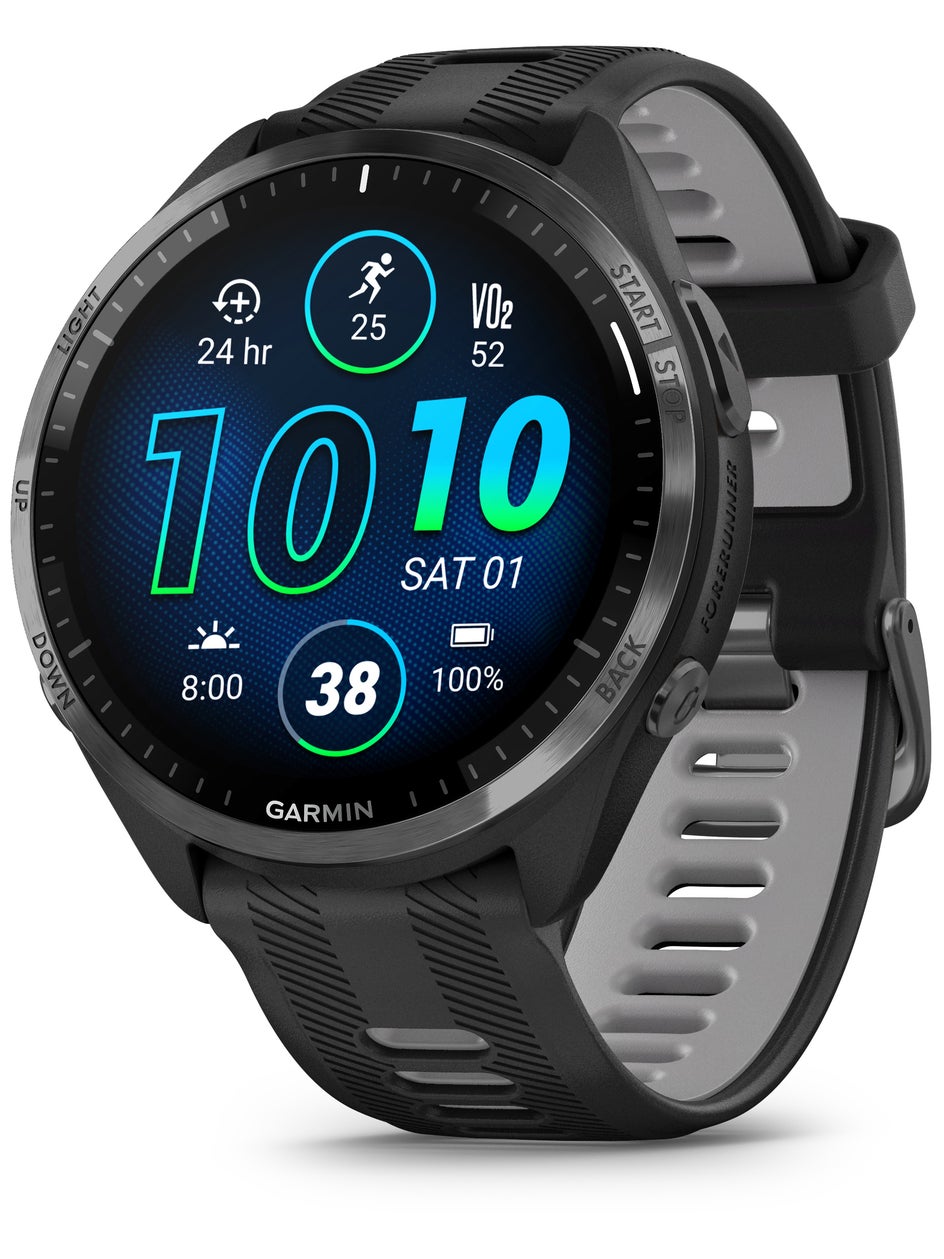
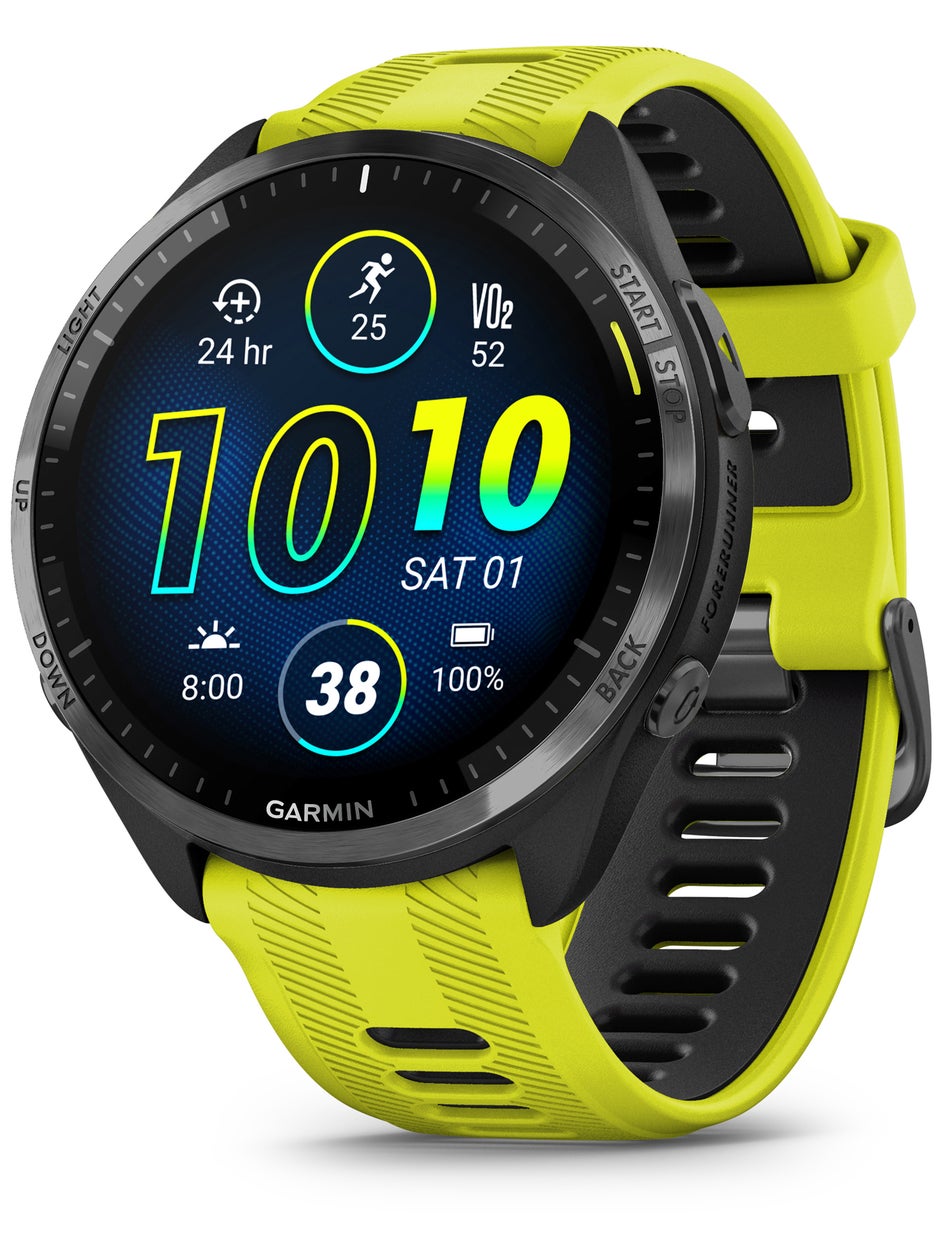
"But I don’t want a trade-off," you say. "I want something that can run at a sprinter’s speed for marathon distances. Give me everything!"
Well then, I'd like to introduce you to the Forerunner 965. With 31 hours of GPS mode battery and a whopping 23 days of battery life in smartwatch mode, the Forerunner 965 doesn’t know how to quit. It also introduces full-color, built-in maps and wrist-based running dynamics which track cadence, stride length, ground contact time, and more. You’ll get to see everything you want to see about where you’re going, when you’re going, and how you’re going.
Forerunner 970
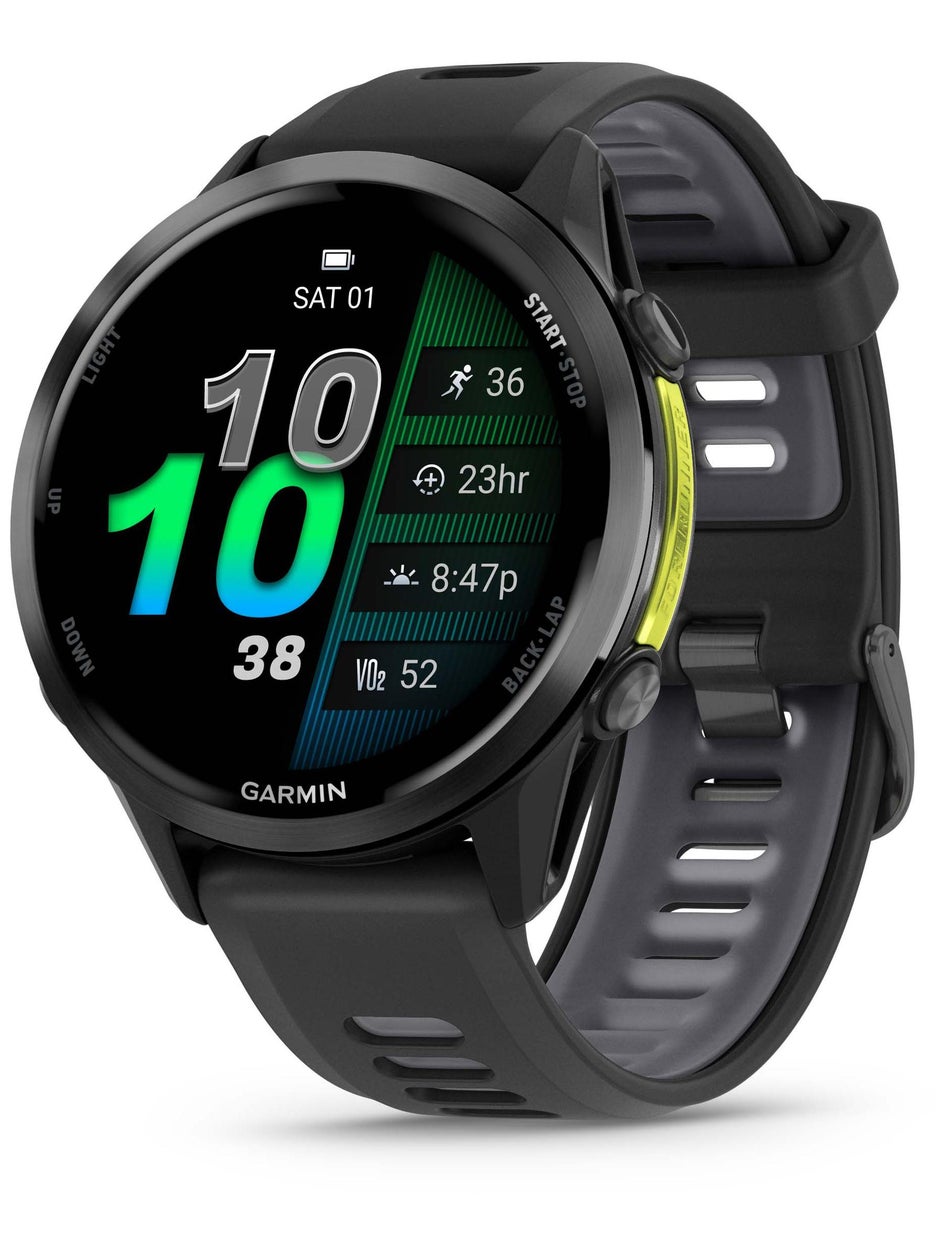
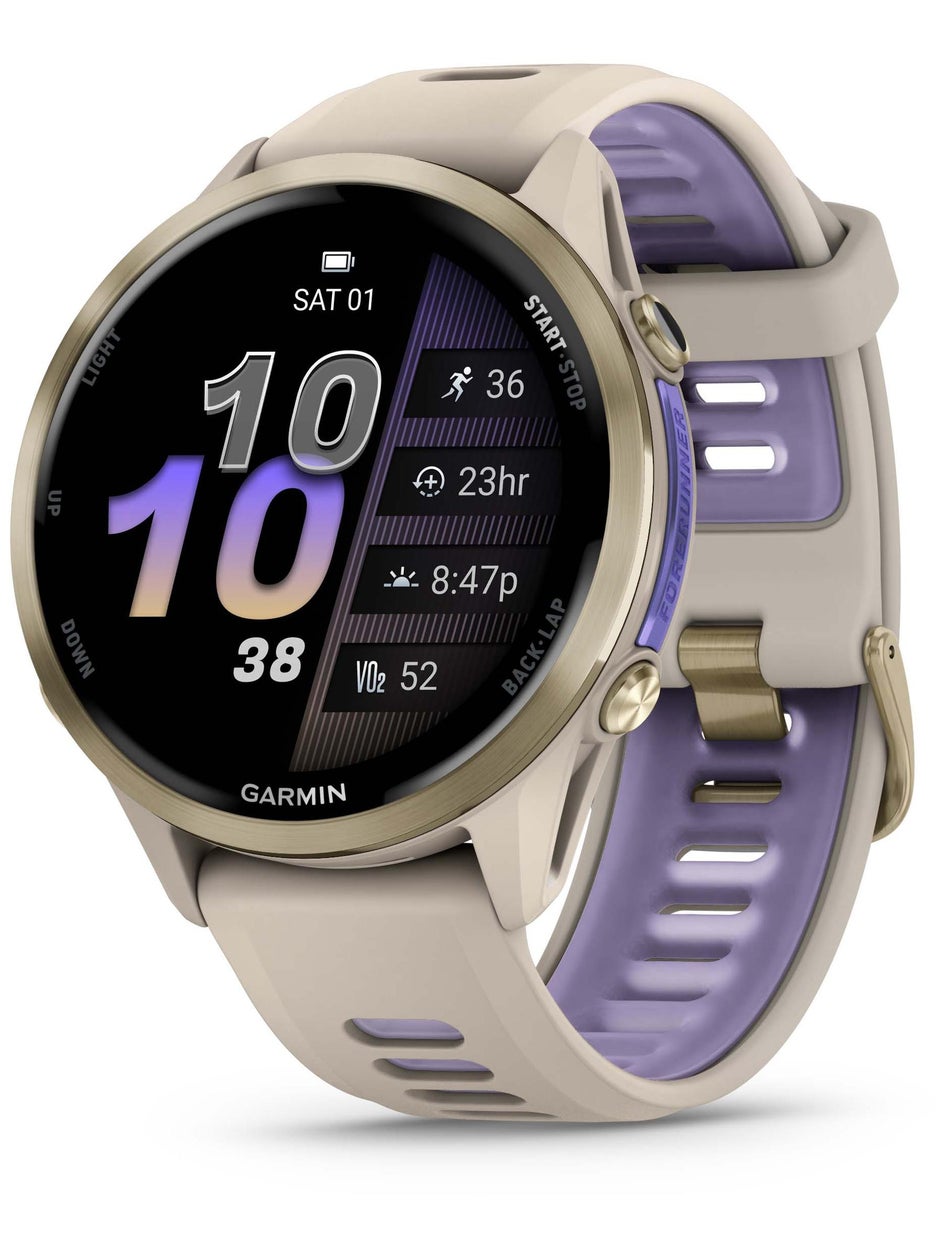
For such a minor numerical change, there are quite a few upgrades worth mentioning here at the peak of the Forerunner lineup. The Forerunner 970 offers the same-sized display as the 965, but creates that display with a harder, sapphire glass screen and enhanced brightness. The 970 includes an upgraded heart rate sensor and skin temperature/respiratory variation monitoring, all of which lets you get a more detailed look at your health systems. And the same goes for its data tracking features for your runs, with the 970 including the ability to track detailed work such as triathlon transitions so that those exchanges don’t muddy up your in-workout data. It’s the little things, but if you're considering this level of watch, then you understand how those little things can make all the difference.
CIRQA
Garmin CIRQA Smart Band
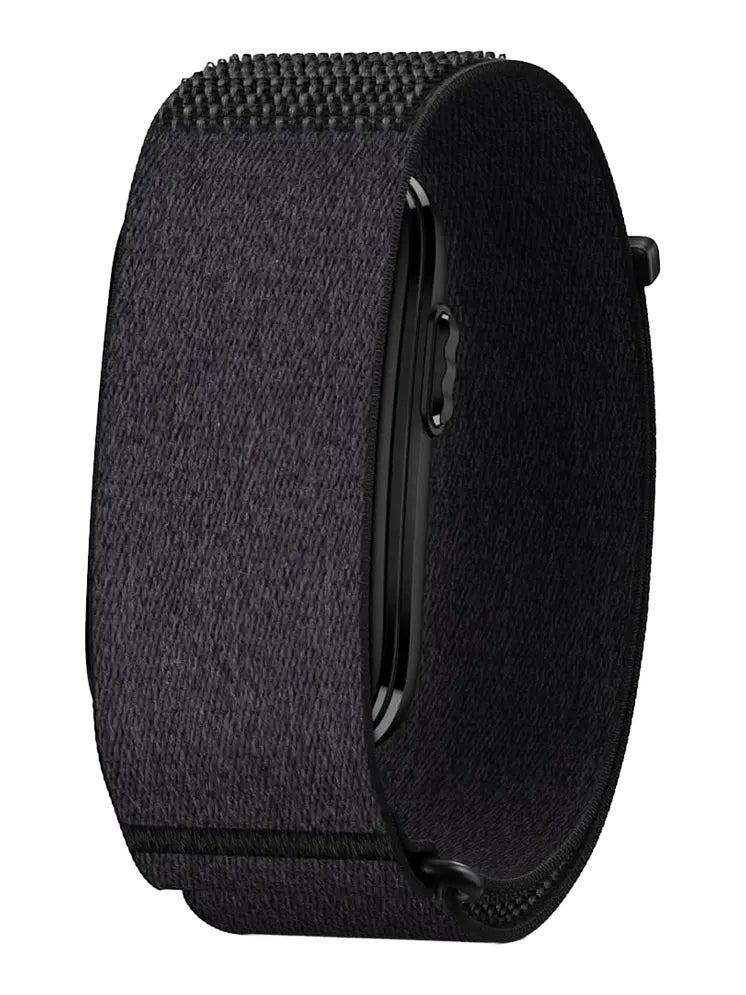
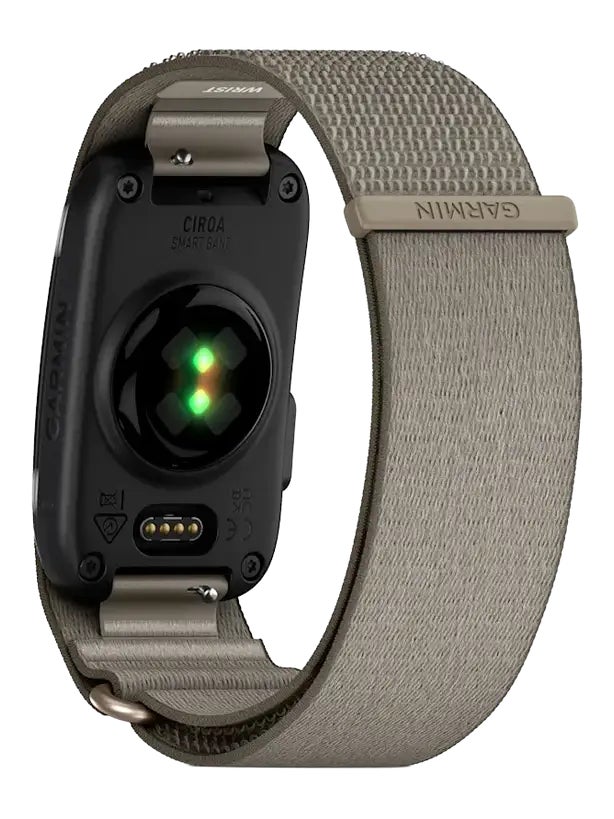
For some people, "more" isn't "better." Some people are looking for a simple watch that will look good and track their workouts without causing a fuss.
Designed without a screen, the Garmin CIRQA Smart Band quietly tracks your health and training in the background, so you can stay present during your workouts instead of constantly checking your wrist. Its soft ComfortFit band provides all-day comfort, while the durable 5 ATM swim-rated polymer housing can withstand sweaty workouts, rainy runs, and even a post-run swim. With up to 10 days of battery life, this watch is ready to keep up with you through training, recovery, and everything in between.
Fenix
Garmin Fenix 8
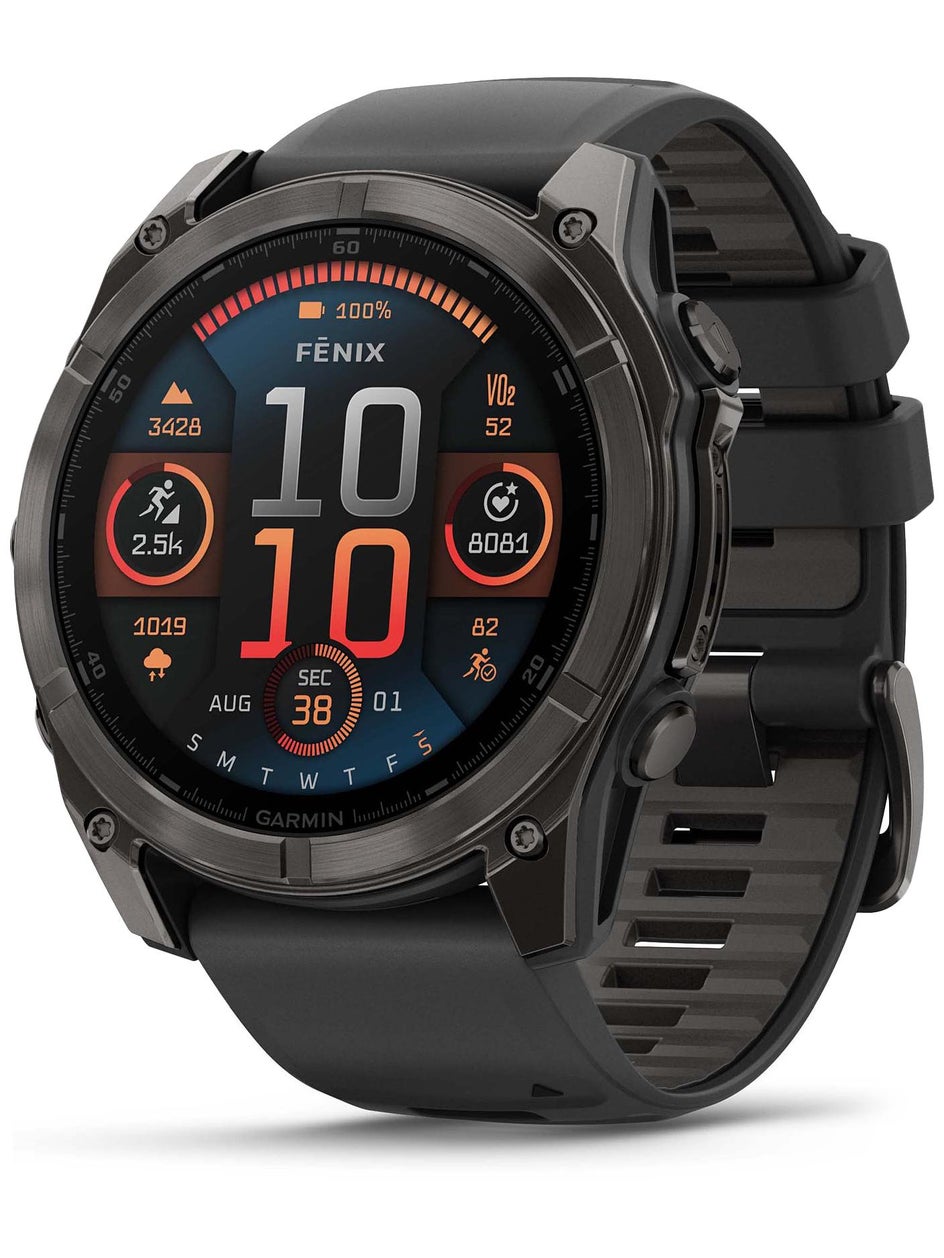
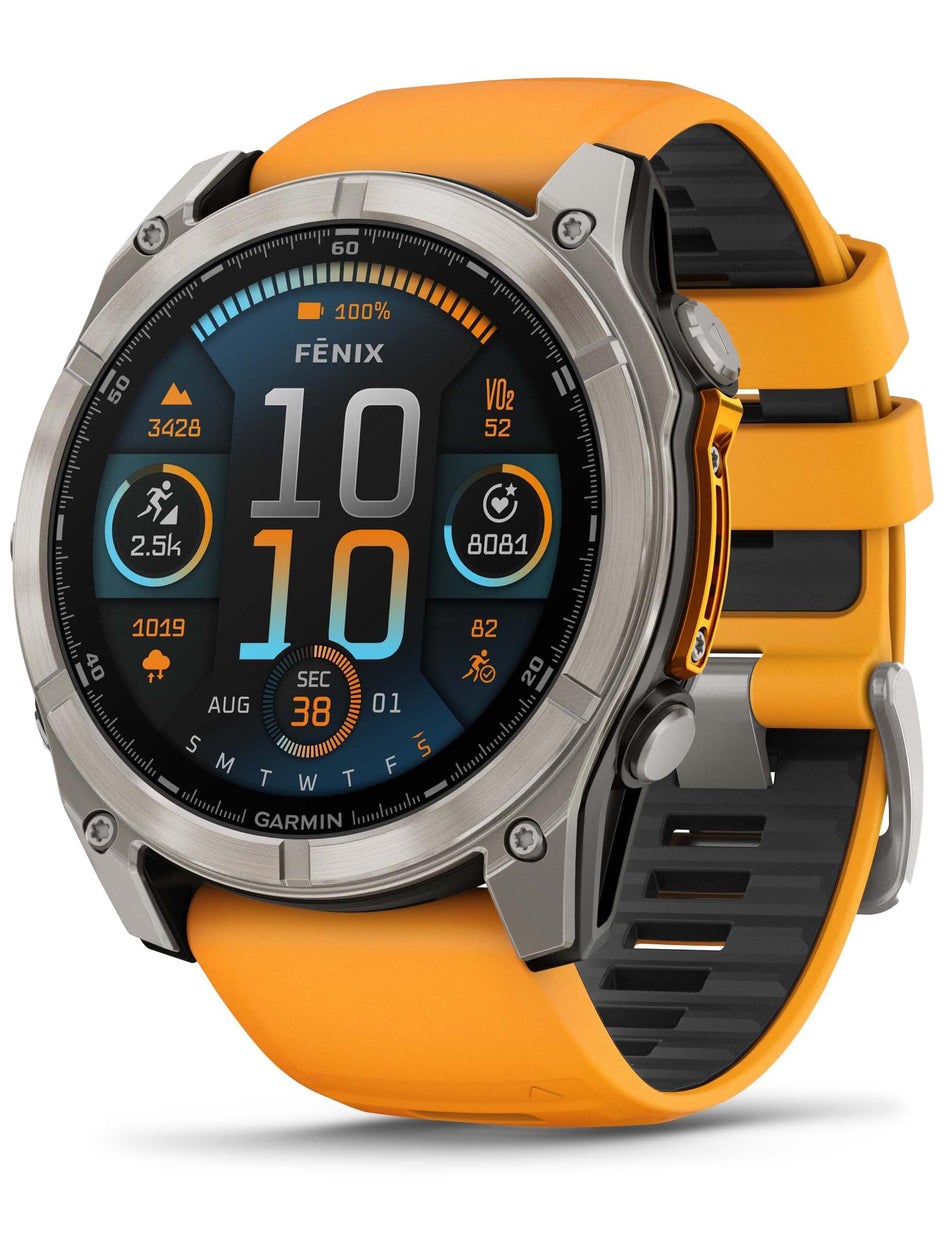
Last up, but certainly not least up, we’ve made it to the Garmin Fenix 8. This is THE premium Garmin experience, stuffed to the breaking point with all of the gizmos and gadgets you could ever need on the trail, on the course, or in your daily life. It includes every feature we broke down across the Forerunner series, and then some. Things that are unique to the Fenix, above and beyond even the Forerunner 970:
- The Fenix 8 has a built-in speaker and microphone, which are both protected behind a metal plate, for making and receiving phone calls through the watch.
- The Fenix 8 has a 40-meter dive rating and leakproof metal buttons, so you can add scuba and apnea dive activities to your routine
- It comes with options galore. You get to choose from three different screen sizes and three different screen compositions (including a solar option) to personalize the experience to your needs.
It’s the highest-end watch we carry, and if the Fenix 8 can’t do it, then we’re not sure any watch can.
The Big Picture
We tried to take that step by step, but still. That was a lot. If you need things broken down a bit further, check out the table below where we’ve highlighted a few of the key features in a hopefully-easy-to-read chart.
| Battery-GPS Mode / Fully Active | Battery-Smartwatch Mode | Touch Screen? | Garmin Coach? | Dynamic Maps? | |
| Forerunner 70 | 23 hrs | 13 days | Y | Y | |
| Forerunner 170 | 20 hrs | 10 days | Y | Y | |
| Forerunner 265 | 20 hrs | 13 days | Y | Y | |
| Forerunner 570 | 18 hrs | 11 days | Y | Y | |
| Forerunner 965 | 31 hrs | 23 days | Y | Y | Y |
| Forerunner 970 | 31 hrs | 23 days | Y | Y | Y |
| CIRQA Smart Band | 10 days | N | N | N | |
| Fenix 8 | Varies based on model | Varies based on model | Y | Y | Y |