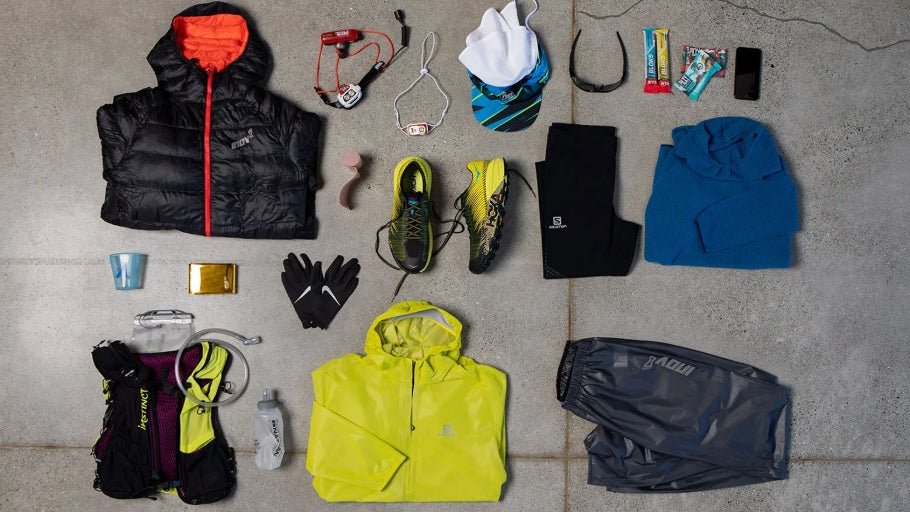
The 7 Essential Items You Need to Start Running
Starting your running journey doesn't mean you need to invest in a ton of gear. Having the right running essentials, like a comfortable pair of shoes, moisture-wicking clothing, and a few helpful accessories, can make your runs more enjoyable. But with so many options available, how do you know what you actually need?
To help you get started, we've put together seven essential running gear items for beginners. From everyday must-haves to accessories you can add along the way, this guide will help you find the right gear so you can focus on what matters most: enjoying your run.
Beginner Running Gear Checklist
| Running Gear | Priority |
|
|
|
|
|
|
|
|
|
|
|
|
|
|
Essential #1: Running-Specific Shoes

While they may look like running shoes, those gym shoes or the sneakers you've cut the grass in for a decade probably aren't the best shoes to run in.
Running shoes are specifically designed to provide the cushioning, support, and stability needed for the repetitive motion of running. Choosing the right pair can make a big difference in your overall comfort and running experience. Finding the right fit is just as important, so be sure to consider both the type of shoe and the size that works best for your feet.
The best running shoes for beginners offer a balance of comfort, cushioning, and responsiveness without necessarily breaking the bank. With the right pair, you can focus less on your feet and more on finding your stride.


Essential #2: Running Specific Clothing

Comfortable, breathable clothing can make a big difference in how you feel during a run. As you work up a sweat, moisture can build up and lead to discomfort or chafing. Choosing running shirts and bottoms made from moisture-wicking fabrics, like polyester and nylon blends, helps draw sweat away from your skin so it can evaporate more easily.
Many running brands offer moisture-wicking fabric technologies, such as Nike Dri-FIT and Under Armour HeatGear, to help keep you comfortable as you move. Running shorts and leggings made with lightweight, breathable materials can also help reduce irritation and allow for better airflow. For runners who need additional support, choosing the right running bra can make a big difference in comfort.
With the right clothing, you can spend less time worrying about distractions like sweat and chafing and more time enjoying your run.


Essential #3: Running Watches
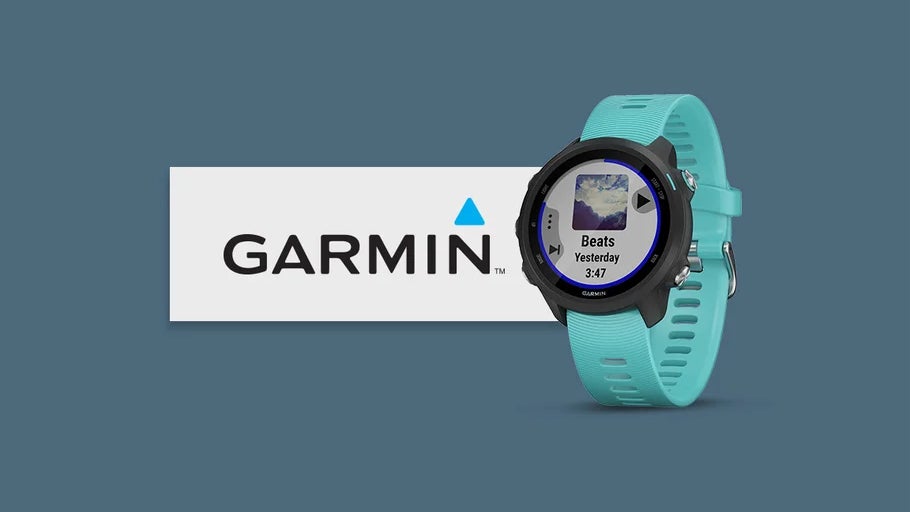
As you get more into running and start tackling longer distances, a GPS running watch can be a helpful tool for tracking your progress. While you don't need one to get started, running watches offer useful features like distance, pace, heart rate, speed, and elevation tracking to help you better understand your runs and work toward your fitness goals.
Many GPS running watches also offer navigation and safety features, making them useful when exploring new running routes or trails. Depending on the model, some watches can even send alerts to your emergency contacts if an incident is detected.
Whether you're working toward your first 5K or simply looking to track your daily miles, a running watch can help you monitor your progress, set new goals, and make the most of your training.

Essential #4: Running Socks
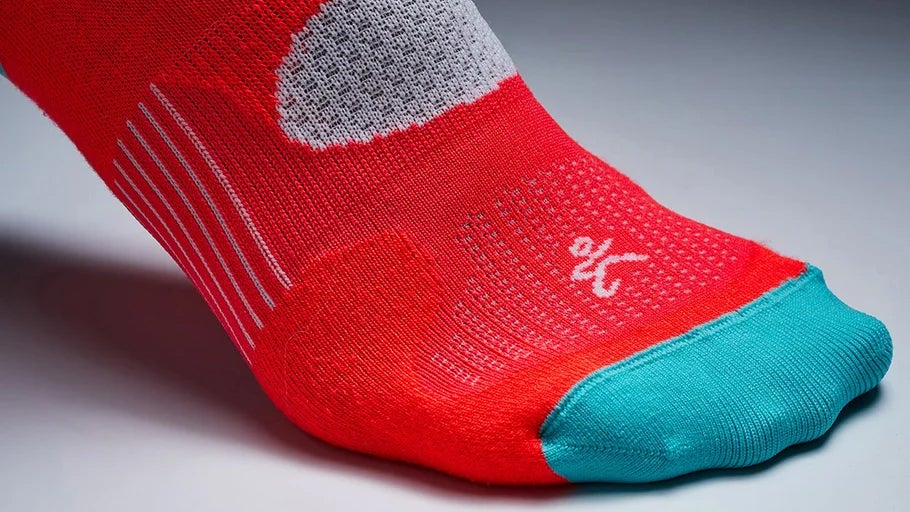
Keeping your feet comfortable and helping prevent blisters starts with the right pair of running socks. While ill-fitting shoes can contribute to blisters, your socks can also play a role. Everyday cotton socks tend to absorb and hold onto moisture, which can increase friction and lead to discomfort during your run.
Run-specific socks, on the other hand, are typically made with moisture-wicking materials like polyester and nylon to help keep your feet drier and more comfortable. They also offer a secure fit that helps reduce bunching and slipping, so you can focus on your run without unnecessary distractions.

Essential #5: A Water Bottle or Hydration Pack
Staying hydrated is important for maintaining your energy and comfort during a run. Proper hydration also helps regulate body temperature and supports your overall performance, especially when running in warmer conditions.
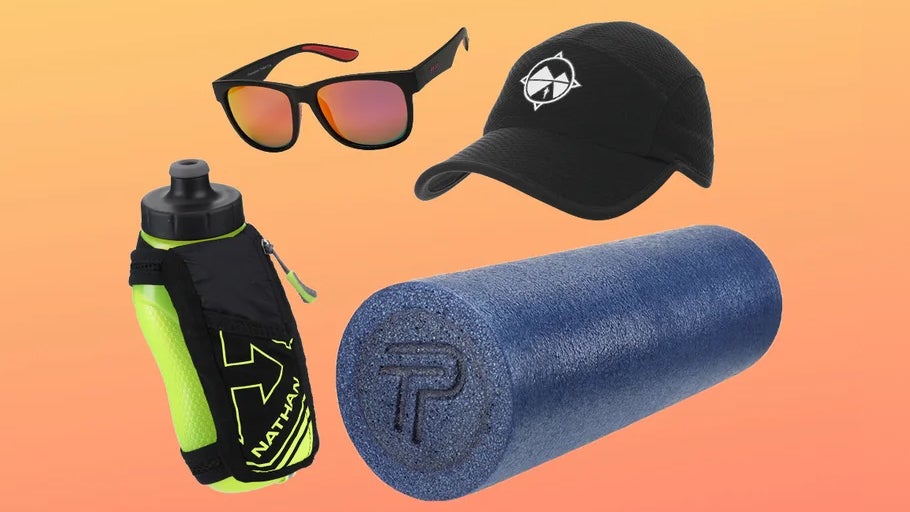
While you may not need to carry water on every run, having a hydration option can be helpful for longer distances or hot weather. Handheld water bottles offer a convenient way to carry water without much gear, while hydration packs provide additional storage and capacity for longer outings.
Choosing the right hydration option depends on your running routine, the weather, and how much water you need to stay comfortable along the way.

Essential #6: High-Visibility Gear
When running in the early morning or evening, staying visible is especially important. Low-light conditions can make it harder for drivers, cyclists, and other runners to see you, increasing the risk of accidents. Wearing high-visibility gear can help you stand out and stay aware of your surroundings.
Gear like reflective vests, clip-on lights, and headlamps can make a difference when running in dimly lit conditions. Reflective details help you stand out when light hits them, while lights and headlamps can help others see you and illuminate the path ahead.
Whether you're heading out before sunrise or squeezing in a run after sunset, having the right visibility gear can help you feel more prepared for your run.

Essential #7: Recovery Tools
After a run, taking time to recover can help you feel ready for your next workout. Recovery tools like a foam roller or self-massager can help ease muscle tightness and soreness, making them helpful additions to your running routine.
Using a foam roller or massager can provide temporary relief from tight muscles and help you relax after a workout. Even setting aside 10 to 15 minutes for gentle stretching or foam rolling can be a great way to unwind and give your muscles a little extra attention.
While recovery tools aren't necessary for beginners, they can be useful as you build your running routine and discover what works best for your body.

FAQs
What do I need to start running as a beginner?
You don't need a lot of gear to get started! A comfortable pair of running shoes, moisture-wicking clothing, and running socks are a great place to start. As you build your routine, you can add accessories like a GPS watch, hydration gear, or recovery tools based on your needs.
What kind of running shoes should a beginner buy?
Looking for running shoes that fit comfortably and provide the cushioning and support you prefer. The right pair will depend on your foot shape, running style, and personal preferences. If you're unsure where to begin, check out our guide to choosing running shoes for helpful tips.
Do I really need running socks, or can I wear regular socks?
You can start with regular athletic socks, but running-specific socks offer features that can make your runs more comfortable. They're typically made with moisture-wicking materials and have a secure fit to help reduce bunching, friction, and the risk of blisters.
Do beginner runners need a GPS watch?
Not necessarily! While GPS watches can be helpful for tracking your pace, distance, and progress, you don't need one to start running. As you build your routine and set new goals, you can decide whether a running watch would be a useful addition to your gear.
How much should I spend on beginner running gear?
You don't need to spend a fortune to start running. Focus on finding comfortable running shoes that fit well, along with clothing and socks that work for you. You can always add accessories like a GPS watch, hydration pack, or recovery tools as your needs and budget allow.
Ready to Run? Next Steps
Once I'm geared up, how do I start running?
It sounds strange, but this is one of the most common questions. And the answer really is simple: You just do it!
Get out that door and go for a run. Whether you make it half a mile or surprise yourself by going farther than expected, you're a runner now!
As you get started, remember to take things at your own pace. Try alternating between walking and running, give yourself time to rest, and gradually build your distance as you get more comfortable. Listen to your body and avoid doing too much too soon.
If you're looking for additional guidance, consider joining a local run club or following a beginner-friendly training plan.
What Is a Run Club?
Many local parks, athletic associations, and running specialty stores host group runs that welcome runners of all experience levels. Joining a run club or finding friends to run with can be a great way to stay motivated and make running a part of your routine.
Having people to meet up with can also make those early morning runs a little easier to commit to. Plus, running with others can make the experience even more enjoyable!
How Do I Train for a 5k, 10k, or Other Race?
Signing up for a race can be a fun way to stay motivated and work toward a goal. From your first 5K to longer distances, there are plenty of options to explore as you build your running experience.
Whatever distance catches your interest, check out our collection of running tips and training guides to help you prepare for race day.
The Gear You Need to Stay Comfortable and Motivated
Getting started with running doesn't have to be complicated. Whether you're shopping for your first pair of running shoes or adding accessories to your routine, focus on finding gear that fits comfortably, meets your needs, and works within your budget.
Remember, you don't need everything at once! Start with the essentials and build your collection as you gain experience. If you're unsure where to begin, our knowledgeable customer service team is here to help you find the right gear.
With the right equipment and a little motivation, you'll be ready to hit the ground running.