How to Fit Track & Field Spikes
Here at Running Warehouse, we understand that track and field shoes are an important part of taking your performance to the next level. Whether you are a sprinter, jumper, hurdler, or thrower, some shoes are specifically designed to enhance your performance in each event. Track and field spikes generally fit more snugly than traditional running shoes, but knowing what type of spike you are looking for will help you find the perfect fit for your specific event. Below, we have broken down the desired fits for each track and field event.
If you aren't sure which track and field shoes you need, read our guide on what type of spike is best for you and check out our video below.
Find Running Shoe Size
Understanding your running shoe size is the first step towards finding the right track spike fit. Each event will call for slightly different support and lockdown from your footwear, and having a proper size baseline can take out some of the guesswork.
For extra help determining your running shoe size, check out our article for foot measuring and sizing tips.
Track Spike Fit: Glove vs. Slipper
Now that you know your running shoe size, you can apply that to find your track spike size. Spikes tend to be snugger than standard running shoes and will fall into a glove-like or slipper-like fit category. These profiles offer different advantages that are specific to each event.
Glove-like Fit
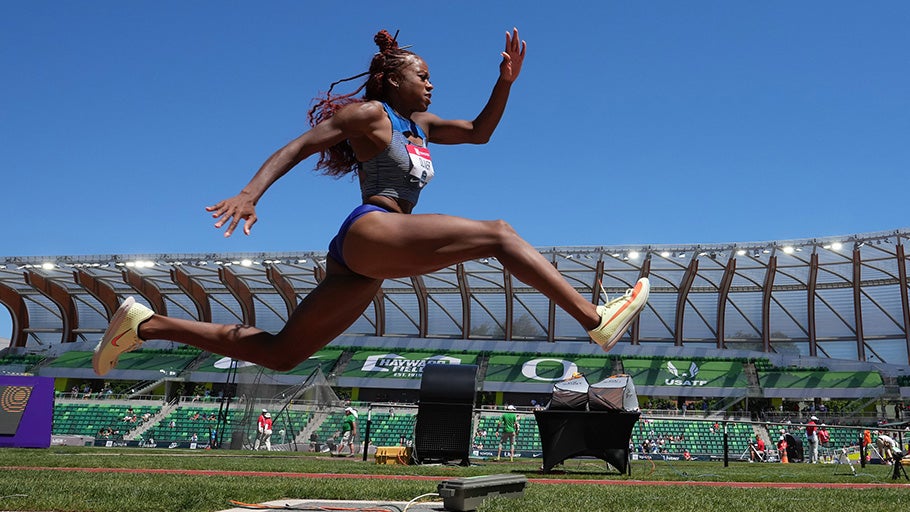
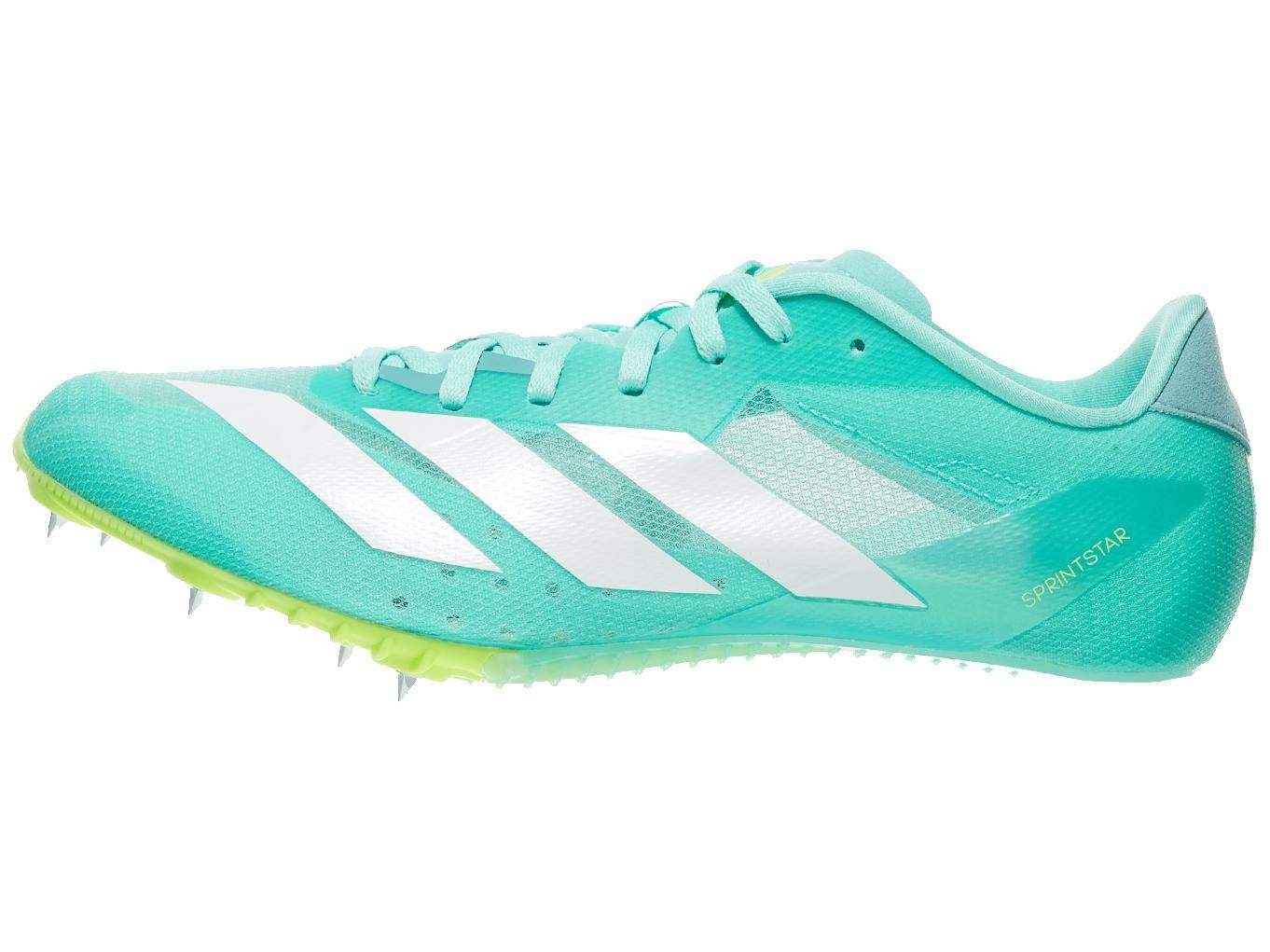
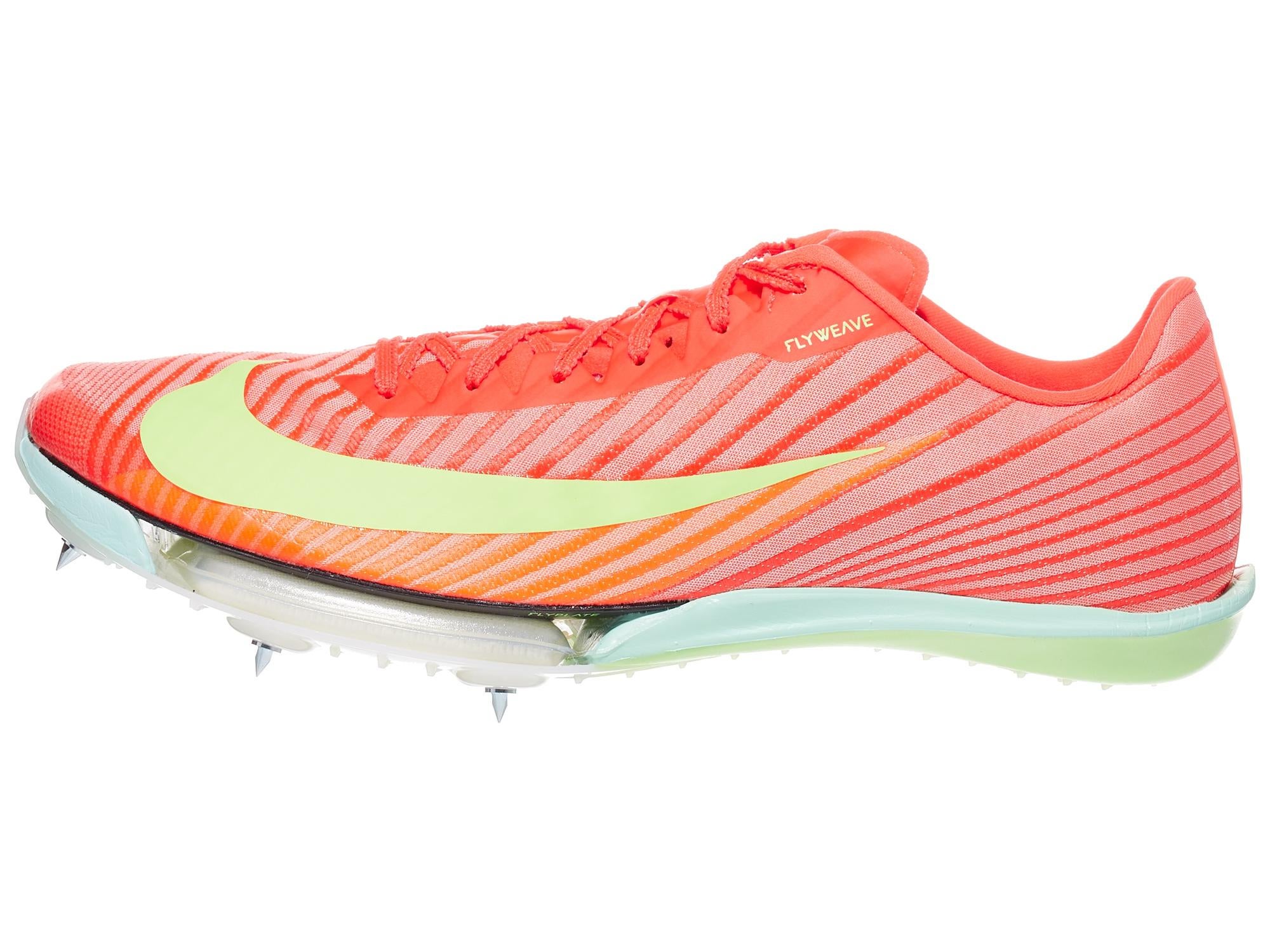
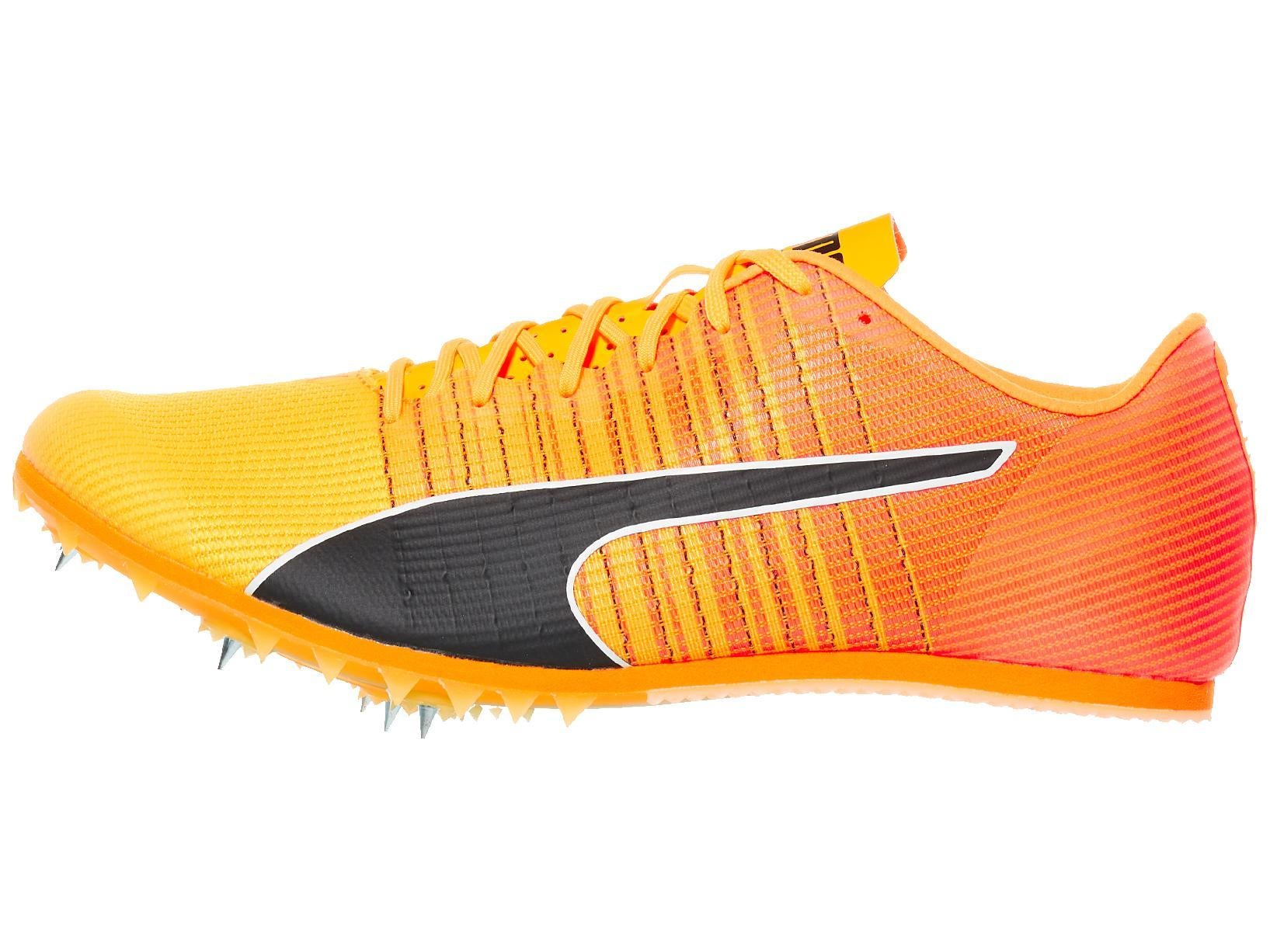
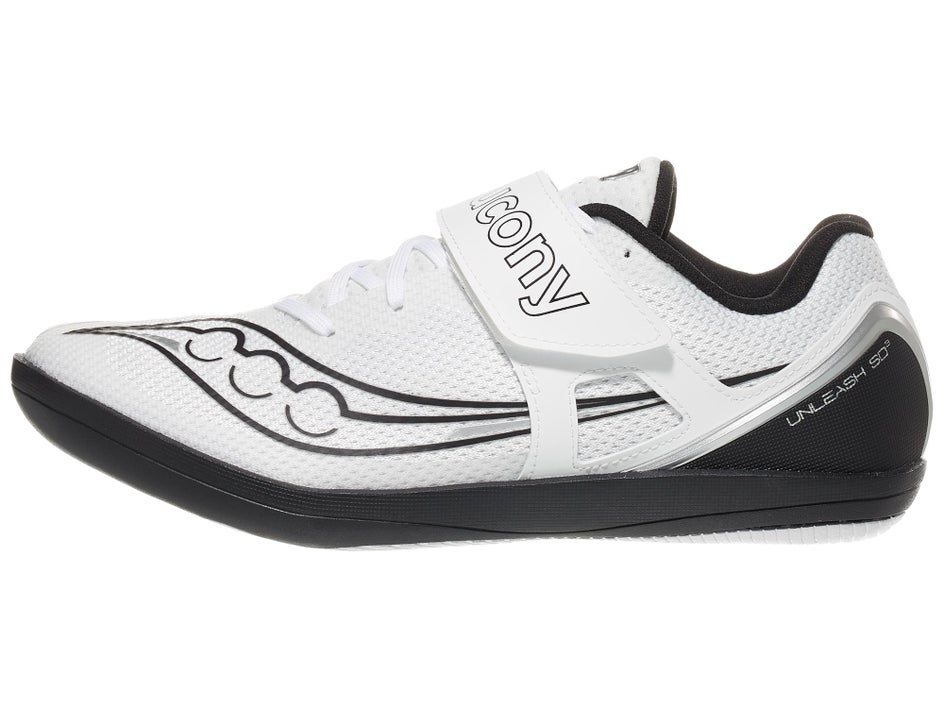
A glove-like fit is the tightest profile for spikes. In this category, the upper should match the outline of your foot with hardly any space to move around in. Your toes should reach the end of the shoe without touching the front or feeling jammed. This lockdown ensures your foot does not slip or move around, letting you focus all of your energy on forward motion. These shoes have stiff soles and uppers that lock down the foot, made for explosive movements and shorter races. These types of spikes are designed to fit snug, though it isn't uncommon for people to end up going down a half or full size from normal running shoes. A glove-like fit is typically recommended for sprint, jump, and throw shows.
Sprint Events:
- 100m, 200m, 400m, 4x100, and 4x400 sprint relays
Hurdle Events:
- 100m hurdles (men) 110m high hurdles (men), 100m hurdles (women), 400m hurdles
Jump Events:
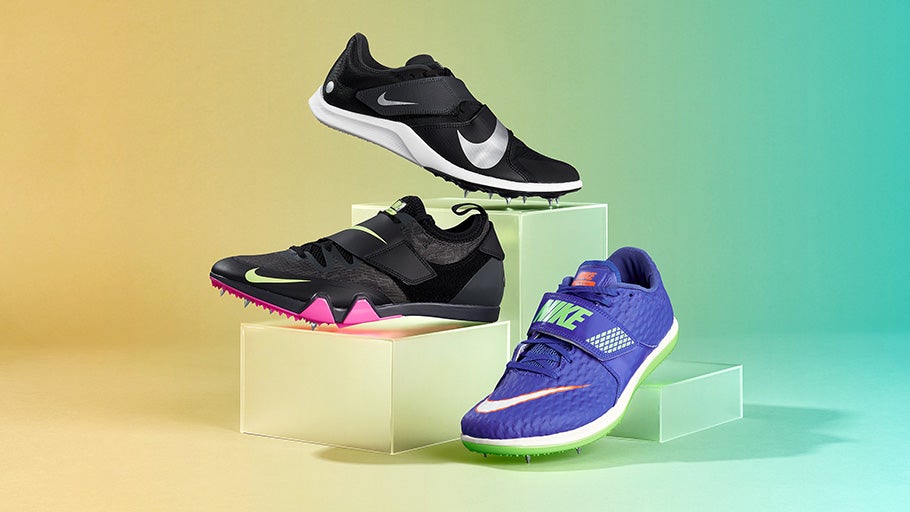
- Long jump, triple jump, high jump, pole vault
Throw Events:
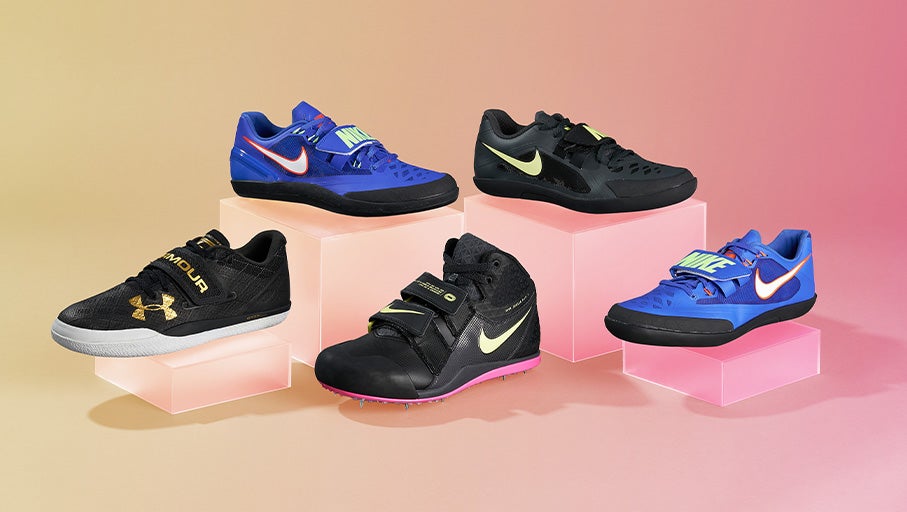
- Discus, hammer, shot, javelin
Slipper-like Fit
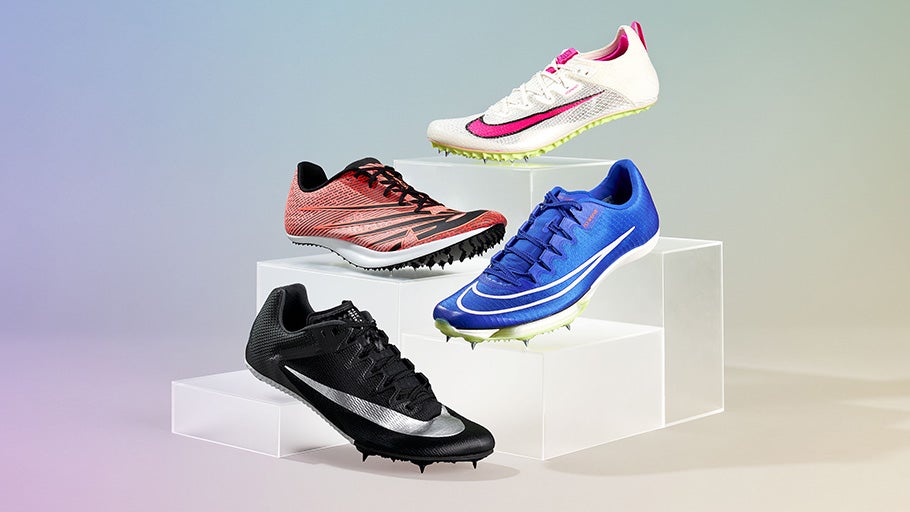
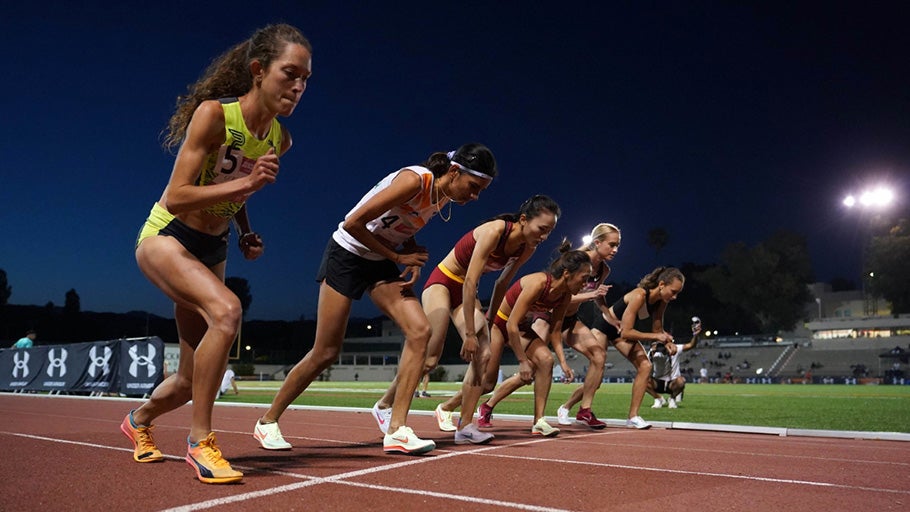
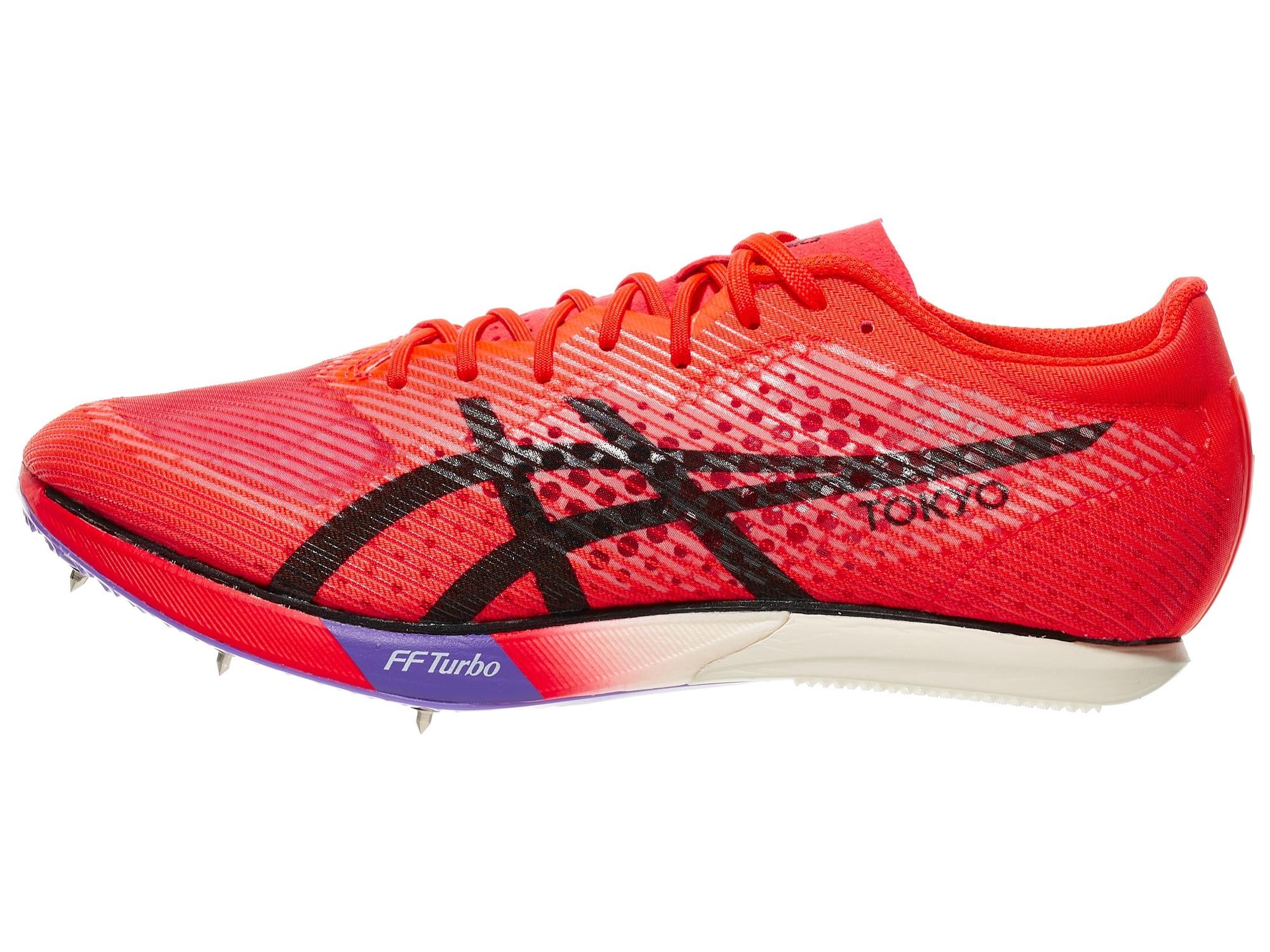
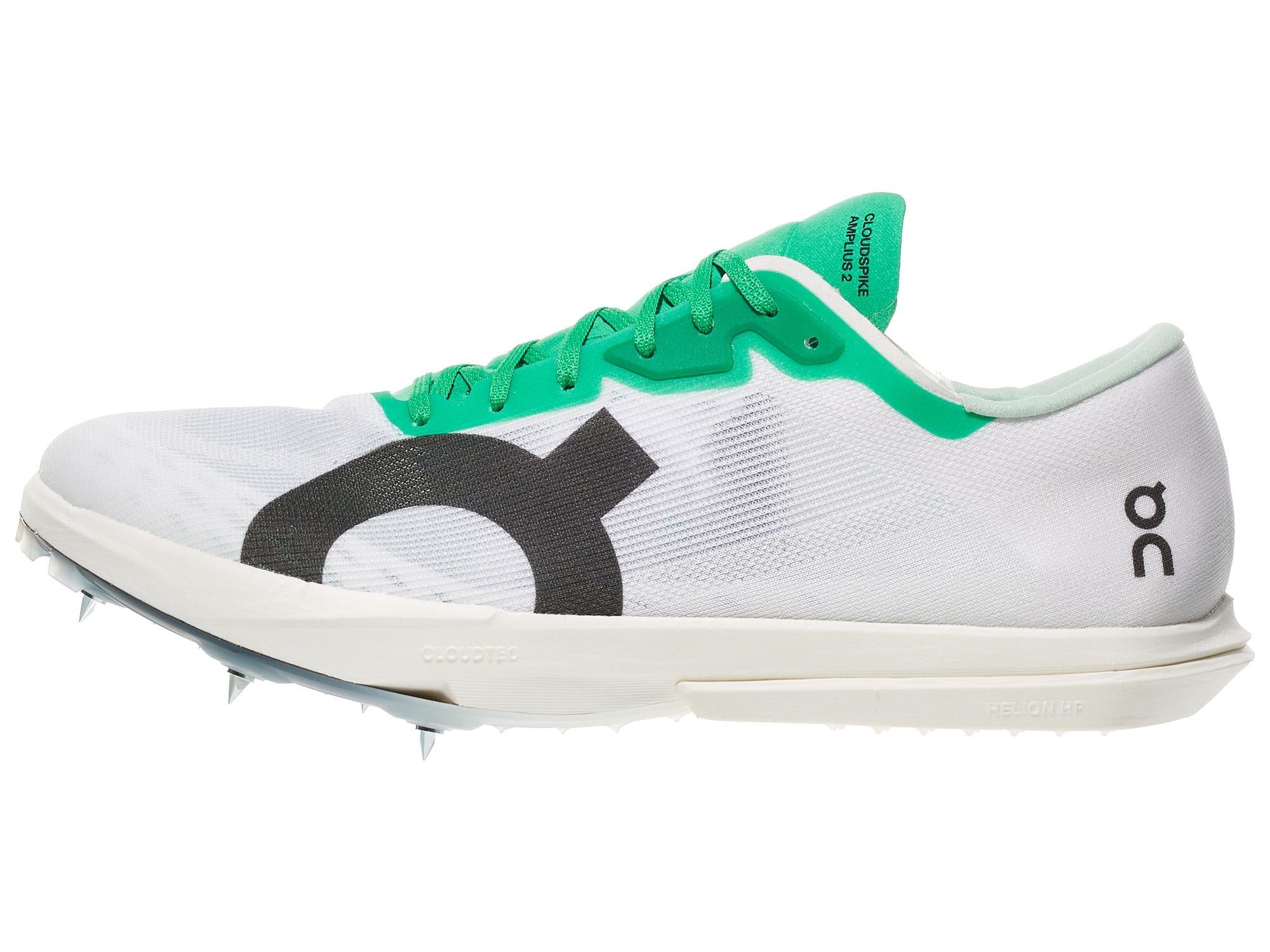
Slipper-like fit describes a slightly more relaxed fit for track spikes. Your toes should be close to the front of the shoe, but still have room to move around. The shoe should hold your heel in without movement and have a snug hold through the midfoot. There should be a small amount of space in the toebox, but with a snugger fit than standard running shoes. These spikes are extremely lightweight with semi-flexible soles, and it is not uncommon for athletes to go down a half or full shoe size. A slipper-like fit is best for mid-distance and long-distance spikes.
Mid-Distance Events:
- 800m, 1500m, 1600m (1 mile)
Mid-Distance Events:
- 3000m, 3200m (2 miles), 3000m steeplechase, 5000m (3.1 miles), 10,000m (6.2 miles)
Hit the Track
Finally, and probably most importantly, the final step to finding your track shoe size will be putting them through a field test. Stepping onto the track or into the ring and seeing how your foot reacts to different shoes is a key component. There's a learn-by-doing element to all of this where, as you compete, you'll learn more and more about your own preferences and how you feel about snug forefoots, tight toe boxes, and the like. With each pair of shoes, you'll better understand what you want and how you want it.
In the meantime, we hope this guide has helped aim you towards your best possible starting point.
Now let's lace up, toe that line, and seize the day in your next competition!